The man sitting in front of me at the barbershop kept rubbing his jaw every few seconds. From a distance, his beard looked thick, sharp, and stylish—the kind that suggests effort and confidence. But up close, the skin beneath told a different story. It was red, flaky, and irritated, shedding tiny white specks like shaken snow.
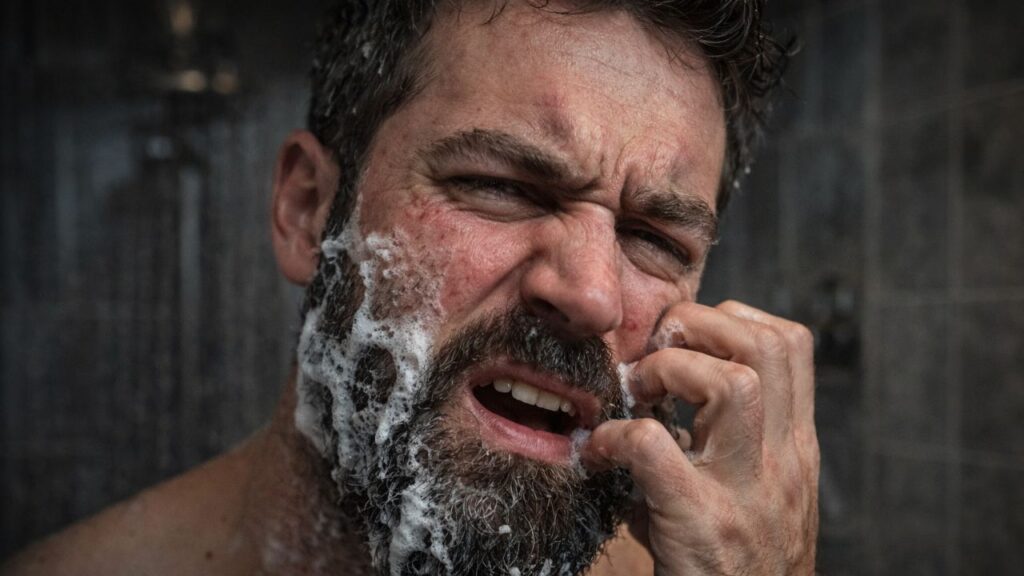
Mid-trim, the barber paused and asked what shampoo he used. The man hesitated, then admitted he washed his beard with his usual anti-dandruff hair shampoo. His logic was simple: hair is hair. The barber’s knowing look said otherwise.
He laughed it off, but the frustration was obvious. He had tried oils, balms, gentler scratching, even trimming his beard shorter each month. Still, every evening ended the same way—itching, irritation, and discomfort that refused to settle.

By the time I walked out, he was already searching online for answers. What he didn’t realize was that the real problem wasn’t his beard—it was what he was using on it.

Why Standard Hair Shampoo Can Wreak Havoc on Your Beard
A beard isn’t just an extension of scalp hair. It grows on your face, where the skin is thinner, more sensitive, and more reactive. Regular hair shampoos are created for a completely different environment.
Most scalp shampoos are formulated to break down oil, sweat, pollution, and styling residue. To do that, they rely on strong cleansing agents that strip sebum quickly. While the scalp can usually tolerate this, facial skin often cannot.
The outcome is predictable. Natural oils disappear, beard hair dries out, and the skin underneath shifts from balanced to irritated. Because beard hair is coarser and more porous than head hair, it ends up feeling rough while the skin beneath becomes inflamed.
A grooming brand in the UK once surveyed its customers who complained of extreme beard itch. More than half reported using their regular hair shampoo on their beards. Most believed there was no difference between the two.
The Pattern Most Bearded Men Experience
This cycle repeats everywhere. A man grows a beard, survives the initial itchy phase, and assumes the worst is over. Then colder months arrive, indoor heating dries the air, and strong shampoo use continues. Soon, flakes start appearing on jackets and dark shirts.
Across forums and social platforms, countless before-and-after beard stories share the same turning point. It’s rarely an expensive oil or a trendy grooming tool. More often, it’s the simple switch from scalp shampoo to a gentle beard-specific cleanser.
The science behind this is straightforward. The scalp has more oil glands and thicker skin, so shampoos are engineered to cut through heavier buildup. Facial skin lacks that protection.
Using a powerful cleanser on your beard is essentially over-cleansing. It treats delicate skin like a battlefield instead of something that needs care.
Beard hair also grows in varied directions and densities, making shampoo harder to rinse away. Residue can remain close to the follicles, causing persistent itching, redness, and bumps often mistaken for razor irritation.
A Smarter Way to Wash Your Beard Without Damaging Skin
Beard care sits closer to skincare than haircare. The goal isn’t harsh cleanliness but calm skin and manageable hair.
Begin with lukewarm water, never hot. Heat may feel soothing, but it opens hair cuticles and dries skin faster. Let the beard soak briefly to soften the hair and loosen surface debris.
Apply a small amount of a beard wash or mild facial cleanser. Work it between your palms, then gently press it into the beard. Massage the skin underneath using small, circular motions instead of aggressive scrubbing.

Rinse longer than you think necessary. Residue near the skin is a hidden irritant, especially around the chin and jawline. Continue rinsing until there’s no slippery feeling left.
One man shared his experience on a grooming forum after years of washing his beard twice daily with anti-dandruff shampoo. He believed constant itch was unavoidable. During winter, his skin cracked painfully around his mouth. Heavy oils and medicated creams offered only temporary relief.
After switching to a mild beard wash for a month, he documented steady improvement: less flaking, reduced itching, healthier skin tone, and softer hair. The same ingredients that helped his scalp had been aggravating his face.
Why Less Washing Often Works Better
Many people equate frequent washing with better hygiene. On facial skin, that squeaky-clean feeling often signals that natural protection has been stripped away.
Most beards thrive when washed with a dedicated beard cleanser two to four times per week, using plain water on other days. Environmental factors matter—dusty jobs may require more frequent washing, while indoor desk work usually does not.
The key is observation. When skin feels tight or itchy, it’s usually asking for moisture, not stronger cleansing.
As one barber put it simply: treat the skin beneath your beard as gently as the skin under your eyes, and the hair will respond.
After washing, pat the beard dry instead of rubbing it. Apply a few drops of beard oil or a light moisturizer directly to the skin, then work outward through the hair. If it feels heavy, the issue is often too much product, not the product itself.
- Use a beard wash or gentle face cleanser, not scalp shampoo.
- Wash 2–4 times weekly; rinse with water on other days.
- Rinse thoroughly to prevent product buildup.
- Pat dry to avoid breakage and irritation.
- Apply a small amount of beard oil or moisturizer to soothe skin.
Understanding What Your Beard Is Telling You
Once harsh shampoo is out of the equation, the constant irritation quiets down. Itching eases, flaking slows, and smaller signals from your skin become noticeable.
You begin to sense when your beard needs a proper wash and when it only needs water. In dry conditions, a touch of oil feels right. The routine shifts from habit to awareness.
This change reflects a broader lesson. Using the same product everywhere and hoping for the best often leads to avoidable problems. Sensitive areas react quietly at first, then demand attention.
An itchy beard can ruin focus in meetings, dates, or commutes. It distracts and diminishes the enjoyment of having a beard at all.
Switching shampoos may seem minor, but it often triggers less irritation, fewer desperate fixes, and more confidence. The beard starts to look and feel like it belongs on your face.
The next time you reach for that all-purpose shampoo, pause and read the label. It was designed for a different fight. Giving your beard the care it actually needs can be a small change with a noticeable impact.

Key Takeaways
- Beard and scalp are not the same: facial skin is thinner and more reactive.
- Regular shampoo strips essential oils, leading to dryness and itch.
- A gentle routine with proper rinsing and light moisturizing keeps skin calm.