The first signal didn’t arrive through satellite imagery or an official warning. It showed up in the air itself. On a Tuesday afternoon in late January, Minneapolis felt off. The cold was sharp, then unexpectedly gentle, as if someone had quietly adjusted a switch overhead. People stepped out in light jackets, then paused, scrolling through weather apps that didn’t make sense. One day sat near 20°F, the next hinted at spring, followed by a sudden plunge that looked more like a cliff than a curve.
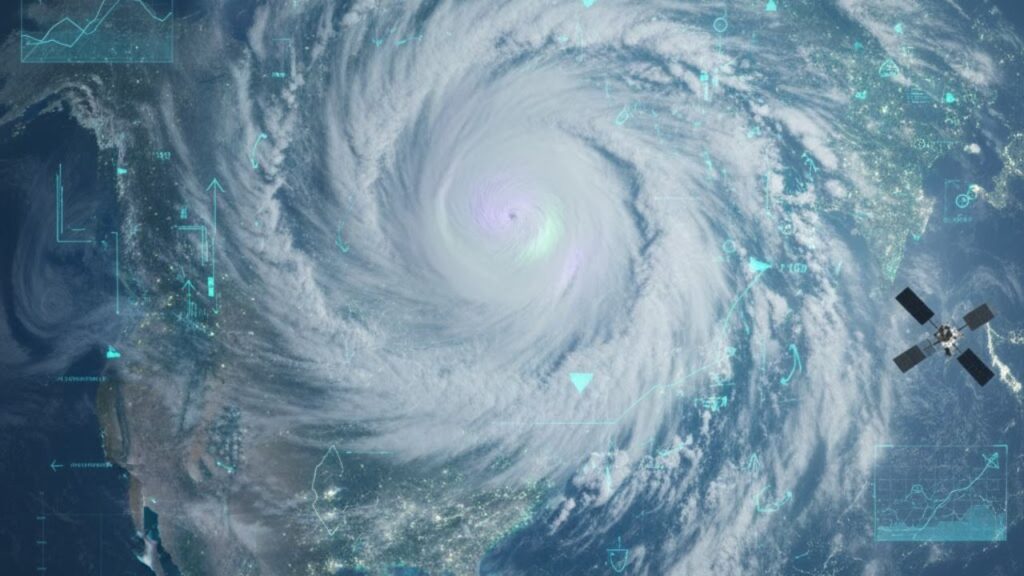
While streets felt oddly mild, meteorologists were tracking something far stranger high above. A shift in the polar vortex was unfolding, one that didn’t match the patterns drilled into them during years of climate training.
An old, familiar system was beginning to act like something entirely new.

The polar vortex is acting fast and out of character
At ground level, the changes translate into everyday weather chaos: biting winds scraping highways, snow squalls reducing visibility to a few car lengths, and rapid freeze-thaw cycles that chew through pavement and patience alike. Higher up, the atmosphere is rearranging itself in ways that make forecasters pause and rerun their models.

This time, the polar vortex isn’t quietly weakening. It’s stretching, sliding, and racing south in an uneven swirl, pulling Arctic air along routes that barely appear in the last four decades of records.
This isn’t just another routine cold snap. It’s a setup that meteorologists almost never encounter.
Why this pattern doesn’t match the past
Veteran forecasters still remember the visuals from the brutal US freeze of 2014 or the severe European winters between 2010 and 2012. Those events followed a familiar script: a weakened vortex, predictable lobes of cold air, and straightforward headlines.
This time, the data refuses to behave. Early stratospheric measurements show wind speeds reversing in days instead of weeks. Pressure gradients are flipping faster than some seasonal models can keep up with. One major European forecasting center flagged the situation as a “high-confidence outlier”, a careful way of admitting the pattern doesn’t fit established expectations.
It’s that unsettling moment when a forecast starts to feel more like a rumor than a plan.
What makes this vortex different right now
In simple terms, scientists are watching a vortex that isn’t just wobbling. It’s accelerating and reshaping in ways that challenge decades of winter data. The cold core is stretching unevenly, like dough pulled too hard on one side, sending narrow streams of frigid air toward mid-latitudes that are still holding leftover warmth.
That collision between fast-moving Arctic air and milder ground temperatures can trigger rapid pressure drops, quickly forming storms, and extreme swings in wind chill.
The straightforward reality: the old idea of winter “normal” is losing its hold on what comes next.
Getting through a winter that won’t settle down
When weather models start flashing warnings, panic isn’t helpful. What works is quiet preparation. Start close to home by following your local weather office or a trusted meteorologist, not just dramatic social media maps. During peak instability, updates every 6 to 12 hours matter, because conditions can shift quickly.

Then think offline. Charge power banks. Fill an actual water container. If you rely on medication, move refills earlier than usual.
The polar vortex lives high in the atmosphere, but its effects show up in your kitchen, car, and heating bill.
Why waiting for alerts can backfire
Many people wait for an official emergency alert before acting. The problem is assuming there will be a clear countdown. In reality, cold air can arrive within hours, turning roads slick between your morning and evening commute.
A quick trip without gloves or a hat can escalate into a stalled vehicle or delayed transit in subzero winds. In a normal winter, those mistakes are irritating. During a polar vortex anomaly, they can become dangerous.
As one veteran US forecaster noted privately, the speed and angle of this disruption don’t align with standard teaching models. Forecast language is being adjusted in real time, something meteorologists rarely say lightly.
Focus on the next 5 to 10 days
- Track trends daily: Watch how temperature swings and storm clusters evolve, not just single screenshots.
- Layer smartly: Use multiple lighter layers instead of relying on one heavy coat you rarely wear.
- Prepare for flickers: Short power outages still disrupt heat, internet, and charging. Set up one warm room with blankets, safe lighting, and backups.
A winter that may force new habits
The most unsettling part of this anomaly isn’t only the science. It’s the timing. Winters are getting milder on average, yet the harshest cold snaps may be growing sharper and less predictable. Holding those two truths at once isn’t easy.
For forecasters, this moment tests models built on a calmer past. For everyone else, it’s a prompt to rethink what winter means day to day. The old rhythm of steady cold and gradual thaw is giving way to a more jagged sequence of extremes.
There’s room here for real connection: neighbors checking in, cities rethinking planning, parents explaining why a snow day might arrive with dangerous wind instead of gentle flakes.
The polar vortex won’t wait for readiness. It will arrive quietly, as a week that feels wrong against your skin and oddly familiar on your news feed.
How we describe this winter, and how we move through it together, may matter just as much as any chart or satellite loop.

| Key point | Detail | Value for the reader |
|---|---|---|
| Unusual polar vortex behavior | Faster disruption and odd configuration compared with decades of data | Helps readers understand why forecasts feel uncertain yet urgent |
| Local, practical preparation | Small actions: following trusted forecasts, layering, power and medication planning | Gives concrete steps to reduce risk without panic |
| Changing definition of “normal winter” | Sharper extremes inside a generally warming climate trend | Frames the event within the bigger climate story readers see unfolding |