A powerful winter storm warning has been issued across parts of the United States, with meteorologists cautioning that snowfall totals could reach an astonishing 70 inches in some regions. Such extreme accumulation is rarely linked to a single winter event, making this system especially concerning for residents, travelers, and emergency services. Forecast models show a slow-moving storm drawing in deep moisture and Arctic air, creating conditions ripe for prolonged, intense snowfall. As communities prepare, officials are urging early action, caution, and awareness as the storm threatens daily life, infrastructure, and safety.
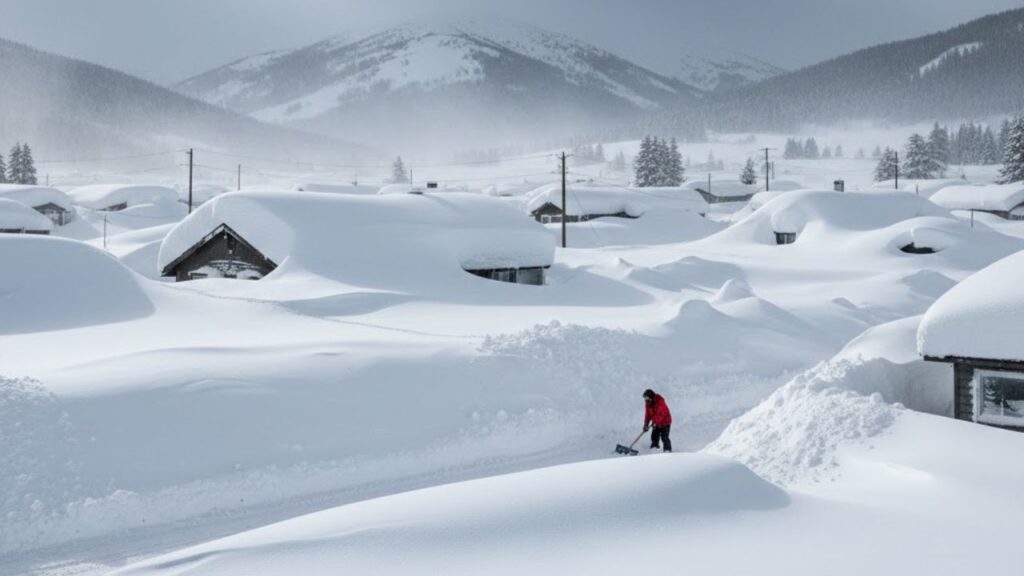
Winter storm warning highlights extreme snowfall risk
The current winter storm warning issued across the United States stands out because of its sheer scale and potential impact. Forecasters explain that a stalled weather pattern could dump snow over several days, leading to historic snowfall totals, prolonged whiteout conditions, dangerous travel impacts, and heavy infrastructure strain. In mountainous and high-elevation areas, snow could accumulate faster than crews can clear it, increasing the risk of isolation. Even lower elevations may see record-setting amounts, pushing local snow removal systems beyond their limits and forcing closures.
Rare single-event snow volumes raise serious concerns
What makes this storm unusual is that the projected snowfall volume is rarely associated with a single weather event. Experts note that unprecedented accumulation levels, extended storm duration, compounding snow layers, and limited melting windows could combine to create long-lasting disruptions. Instead of brief bursts of snow, communities may face continuous accumulation that compounds hour by hour. This increases risks such as roof stress, power outages, and delayed emergency response, especially in rural or mountainous regions of the country.

How United States communities are preparing
Across affected areas of the United States, local authorities are urging residents to prepare well ahead of the storm’s peak. Preparation efforts focus on early travel advisories, emergency supply readiness, school closure planning, and utility service protection. Road crews are pre-positioning equipment, while emergency shelters are being readied in case of prolonged outages. Officials stress that individual preparedness—such as stocking food, checking heating systems, and avoiding unnecessary travel—can significantly reduce risk during such an extreme winter event.

Summary and broader outlook
This winter storm serves as a stark reminder of how extreme and unpredictable seasonal weather can become. With rare storm intensity, multi-day snowfall threat, significant safety challenges, and long recovery timelines, the event may have effects that linger well beyond the final snowfall. Meteorologists continue to monitor shifts in the system, but the message remains consistent: caution and preparation are critical. How communities respond in the coming days will play a major role in minimizing damage and ensuring public safety.
| Factor | Details |
|---|---|
| Maximum snowfall | Up to 70 inches in hardest-hit areas |
| Storm duration | Multiple days of continuous snowfall |
| Primary risks | Travel disruption, power outages, roof stress |
| Most affected regions | Mountainous and high-elevation zones |
| Official guidance | Avoid travel and prepare emergency supplies |
Frequently Asked Questions (FAQs)
1. Why is this winter storm considered unusual?
Because the expected snowfall volume is rarely produced by a single weather event.

2. Which areas are most at risk?
Mountainous and high-elevation regions face the greatest snowfall and isolation risks.
3. How long could impacts last?
Disruptions may continue for days or even weeks after snowfall ends.
4. What should residents do now?
Follow local advisories, avoid travel, and prepare essential supplies in advance.