Across Northern Europe, where winter drags on with icy winds and dark skies, residents have mastered the art of keeping homes warm. One humble technique from Scandinavia is quietly gaining popularity online. Using nothing more than a simple plastic film, households are sealing draughts and cutting heating costs without expensive upgrades.
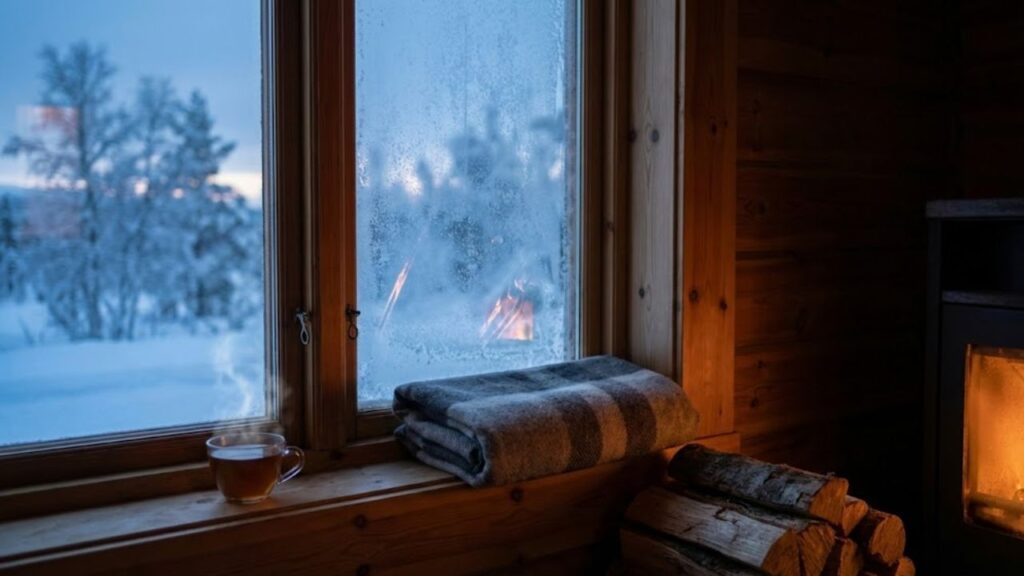
Why Windows Leak More Heat Than Expected
While homeowners often focus on radiators and boilers, it’s the windows that silently let warmth escape. Over time, window frames shift, seals weaken, and small gaps appear—just enough for cold air to creep in unnoticed. These tiny leaks create a constant chilly breeze, making rooms feel colder despite high thermostat settings. In fact, up to 25% of heat loss in a home can come from aging or poorly sealed windows.
How to Detect Window Draughts
- Run the back of your hand along the window frame edges to feel for cold air.
- Use a feather or light tissue strip and observe if it moves near the joints.
- Light a candle and carefully trace the flame along the window perimeter—flickering means a leak.
Once the gaps are located, a quick fix using flexible sealant or weatherstripping can block these draughts within minutes.

The Scandinavian Plastic Film Fix
In Sweden, Norway, and Denmark, where heating bills are no joke, people turn to a clever method using plastic kitchen film to insulate their windows. It’s cheap, fast, and surprisingly effective.

How the Plastic Barrier Helps
A sheet of plastic film placed over the window rails forms a temporary insulating layer. It traps a pocket of still air between the glass and film, reducing cold airflow from the gaps in older or sliding windows. This added layer slows down heat loss and makes the room feel warmer without turning up the heat.
Step-by-Step: Installing the Film
- Clean the frame: Remove dust and moisture with a dry cloth.
- Cut the film: Use plastic wrap or insulation film, slightly larger than the window size.
- Place the film: Smooth it over the rails or inner frame, avoiding creases.
- Seal the edges: Use low-tack tape or adhesive strips to hold it in place.
- Test movement: Ensure the window still closes properly if it’s a slider.
This is a seasonal solution for many. Once spring arrives, the plastic comes off and windows operate as usual.
More Than Just Warmth: Added Benefits
This simple method not only improves comfort but also helps with energy efficiency and indoor air quality. By reducing the temperature difference near glass surfaces, it limits condensation—a key factor in preventing mould growth behind curtains and in corners.

| Effect | What you notice |
|---|---|
| Less draught | Fewer “cold corners” and a more even temperature across the room |
| Lower heat loss | Radiators stay at a steadier setting; boiler cycles slightly less often |
| Reduced condensation | Slightly drier window surfaces, fewer damp patches on the frame |
| Improved comfort | Possibility to sit near the window without feeling chilled |
Combining With Long-Term Solutions
While plastic film works well as a short-term fix, Scandinavian households often combine it with more permanent solutions for lasting energy savings.
Upgrade Options
- Double glazing: Two-pane windows with air or gas in between significantly slow heat loss.
- Brush seals: For older frames, soft-bristled strips fill gaps where rubber seals fail, especially on moving parts.
- Draught excluders: Foam or fabric rolls under windowsills can block cold spots in weakly insulated walls.
What It Means for Your Heating Bill
Sealing draughts won’t immediately slash your heating bill, but it changes how your home feels. Warmer rooms at the same thermostat setting lead to lower energy use. Experts note that reducing the thermostat by just 1°C can result in noticeable energy savings. The plastic film trick is one more step towards that goal—without sacrificing comfort.
Understanding Draughts and Thermal Comfort
Two key ideas often come up in winter heating: draughts and thermal comfort. A draught is unwanted airflow caused by pressure differences, while thermal comfort is when you feel neither too hot nor too cold at a given activity level and clothing amount.
A Practical Example
Picture a typical apartment with old sliding windows. The thermostat shows 20°C, yet sitting near the window feels cold. The glass itself might be just 10°C, and fine air streams sneak through the rails. Adding plastic film blocks the draught and slightly raises the temperature near the window, allowing you to sit comfortably in that spot again.
Limitations and Common Sense
- Improper installation can block emergency exits or trap moisture.
- In humid homes, regular ventilation is still essential—even in winter.
- The goal isn’t to seal the house completely, but to control airflow strategically.
A Small Tweak with Big Impact
With the right approach, this simple Scandinavian hack offers a practical way to stay warm without overhauling your home. When paired with sensible upgrades and fresh air routines, it helps you get through winter more comfortably—and affordably.