The end of a wash cycle always sounds the same: that familiar beep, a soft clunk, and the drum slowly coming to a halt. You pull out the warm clothes, give everything a quick shake, and, almost automatically, leave the washing machine door open “to air it out” before walking away.
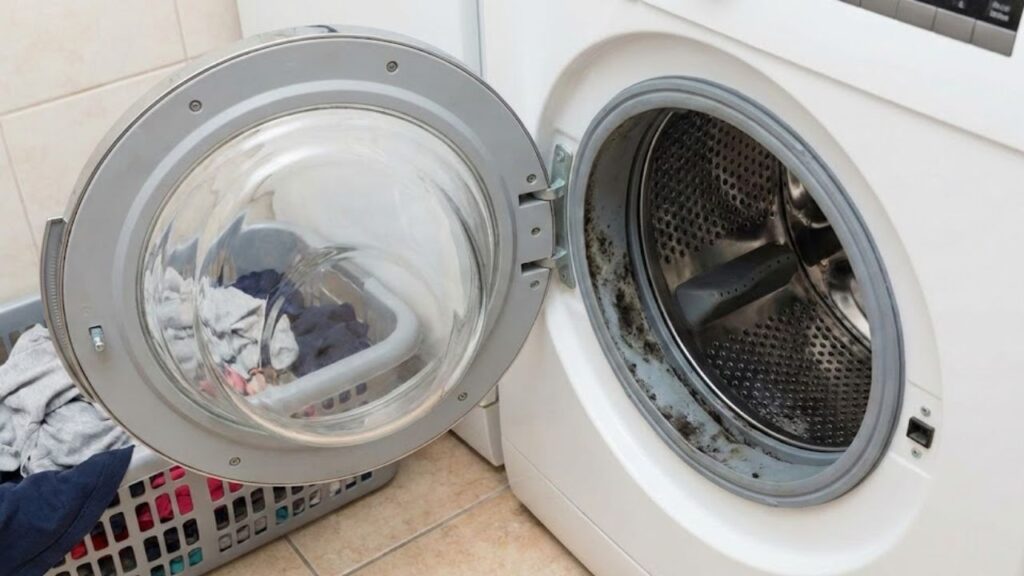
An hour later, the kitchen smells fresh, the laundry basket is finally empty, and the machine sits there with its door wide open, like a sleepy dog. You feel a small sense of accomplishment, thinking you’ve done the right thing in this ongoing battle against mildew.
But appliance experts are starting to challenge this widely accepted habit. It turns out, the seemingly harmless action of leaving the door open can be causing long-term damage to your washing machine.

The Hidden Risks of Leaving the Washing Machine Door Open
Leaving the washing machine door open feels like common sense. You’ve likely heard it from your mum, a neighbor, or a cleaning influencer: “Leave the door open to prevent smells.” So, it becomes a daily routine—door propped open, wash after wash, cycle after cycle.

It seems harmless, but behind the scenes, something is quietly going wrong. Over time, appliance repair technicians notice a concerning trend: around the door hinges and seals, they find warped rubber, stiffened plastic, and dried detergent deposits that resemble cement. One UK engineer explained that by simply glancing at a washing machine with the door always open, he can predict with uncanny accuracy that the door gasket will likely need replacing in the near future.
The irony? These are often the very people who pride themselves on “taking care” of their appliances.
How Leaving the Door Open Wrecks Your Machine
The issue isn’t so much about airing out the machine for an hour after a wash. It’s the prolonged, constant exposure of leaving the door open, sometimes for days. This habit places undue stress on the machine’s parts, particularly the hinges and rubber seals. The door’s continuous open position keeps the rubber seal slightly twisted, causing misalignment. It also exposes delicate components to dust and unintentional bumps, leading to potential leaks and that annoying rattling sound during the spin cycle.
Worse yet, the open door becomes a trap for humid air, which condenses on the machine’s cooler metal parts and encourages the growth of mold—the very issue we’re trying to avoid.

How to Properly Air Out Your Washing Machine
Most specialists now suggest a balanced approach: don’t slam the door shut on a wet drum, but don’t leave it wide open either. The best solution is surprisingly simple. After a wash, pull out your clothes, gently wipe the rubber seal and glass with a small towel, and then leave the door slightly ajar—just a few centimeters, no more.
This small gap allows air to circulate, keeping the door supported in a natural position and preventing unnecessary strain on the hinges, unlike when it’s left hanging open like a wide gate.
A Simple Change That Can Save Your Washing Machine
Experts agree that the most significant damage isn’t caused by mildew, but by the long-term stress on parts that weren’t designed to remain open for extended periods. Fortunately, you don’t need to make drastic changes to avoid the most common issues. Here are a few quick tips:
- Keep the door open just a small gap to allow airflow.
- Wipe the door seal regularly to remove trapped water and detergent.
- Leave the detergent drawer slightly open instead of the entire door.
- Run a hot maintenance wash once a month to flush out hidden residues.
- Check the hinge screws twice a year if your machine starts to sag or creak.
The Long-Term Benefits of a Small Change
What makes this issue particularly fascinating is how subtle the damage is. You won’t notice a snapped hinge overnight. Instead, the machine gradually closes less smoothly. You push it a little harder, the rubber seal begins to look worn, and despite the door always being open, a faint musty smell lingers.
Then, one day, there’s a leak on the kitchen floor, and suddenly, you’re faced with a repair bill that seems disproportionately high for such a small, daily habit.

Key Takeaways
| Key Point | Detail | Value for the Reader |
|---|---|---|
| Door Position Matters | Leaving the door fully open for days strains hinges and seals | Reduces risk of costly repairs and leaks |
| Controlled Airflow is Enough | A small gap plus wiping the seal beats a wide-open door | Keeps odors down without damaging the machine |
| Simple Routine Wins | Quick wipe, monthly hot cycle, slightly ajar door | Extends the life of the appliance and saves money |