
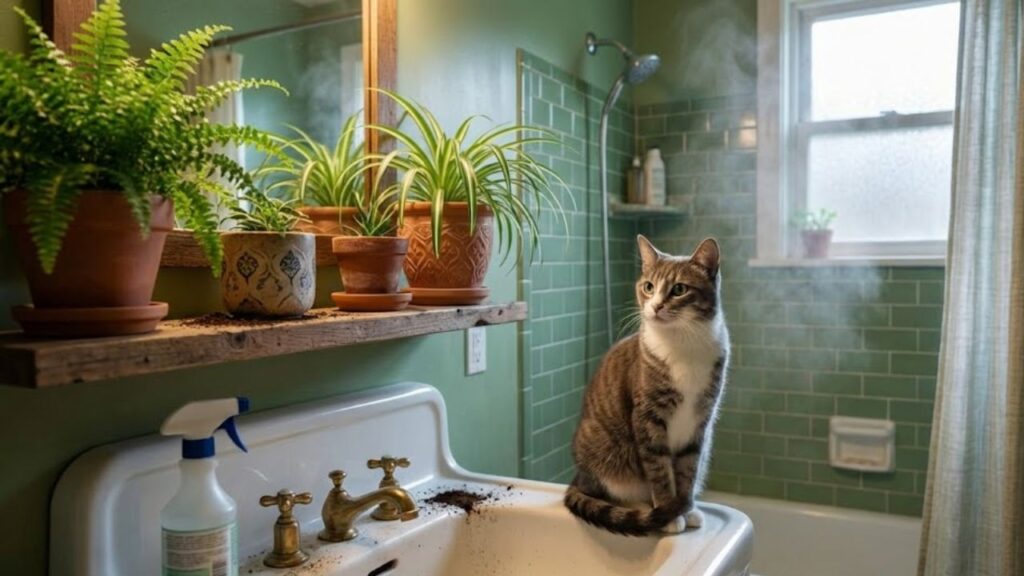
The plant stood proudly on the bathroom shelf, nestled in a small terracotta pot with a handwritten tag that read “Anti-mold wonder”. Its owner had discovered it online, praised as a green alternative to harsh sprays and bleach fumes. The promise was appealing: cleaner air, no chemical smell, no coughing while scrubbing tiles. Just a quiet, leafy protector doing the work naturally.
But a week later, headaches became routine. The cat refused to enter the bathroom. A guest with asthma began wheezing after a shower. The plant never raised suspicion. It looked harmless, decorative, even healthy. The growing obsession with anti-mold plants feels soothing and sensible. Yet that comfort may be hiding a much quieter risk.
When “Natural” Feels Safe but Isn’t Always Harmless
Step into any modern home décor store and the message is everywhere. Plants labeled “anti-mold,” “air purifier,” or “home detox” line the shelves. The idea is seductive: ditch chemical cleaners and replace them with greenery that looks good on Instagram. Many people leave with English ivy or a spider plant, imagining a spa-like bathroom cured by nature.
We love believing that nature repairs what chemistry damaged. But nature has its own toxins, allergens, and side effects, and those rarely come with warning labels.
The Hidden Reality Behind Popular Anti-Mold Plants
English ivy is one of the most celebrated so-called anti-mold plants. Online, it cascades over shower rails and shelves, presented as a silent air filter. In reality, its sap can irritate skin, its leaves are toxic if ingested, and its pollen can trigger allergies. In a small, steamy bathroom with poor ventilation, those effects can intensify.
One French allergist described a patient whose sudden breathing crisis made no sense—until the ivy pot was removed. The mold stains faded, and the inhaler returned to daily use.
Why Anti-Mold Plants Are Often Misunderstood
The confusion starts with the term “anti-mold”. Many people interpret it as “kills mold” or “replaces cleaning products.” In reality, most of these plants may only slightly reduce humidity or trap certain compounds under laboratory conditions. They do not disinfect walls or sterilize surfaces.
Worse, some species release their own volatile organic compounds, while damp potting soil can become a mold source itself. A plant meant to absorb toxins can end up adding a new, invisible burden to indoor air. The line between help and harm can be very thin—and very green.

Using Anti-Mold Plants Without Creating New Problems
There is a healthier middle ground between bleach-soaked bathrooms and rooms filled with mystery plants. The key is to treat plants as a bonus, not a shield. Real mold control still relies on simple habits: ventilating after showers, drying tiles, fixing leaks, and checking seals. Plants do not remove spores from walls.
If you choose greenery, opt for low-allergen, non-toxic species such as certain ferns or spider plants. Keep them away from sleeping areas and direct breathing zones, especially in small bathrooms. Think of them as gentle companions, not frontline defenders.

The False Sense of Security That Makes Things Worse
The real trap appears when an “anti-mold” plant creates a feeling of virtue. Cleaning becomes less frequent. Ventilation fans go unchecked. Silicone joints are ignored. When black spots return, humidity gets the blame—not misplaced trust.
For households with asthma, allergies, pets, or young children, blind faith in plants is especially risky. A child or cat chewing on “natural” leaves can reach an emergency room far faster than a sealed cleaning product stored out of reach.
Experts Are Questioning the Green Illusion
Some specialists are now speaking more openly about this misconception.
“Natural doesn’t mean harmless, and chemical doesn’t always mean dangerous. What matters is dose, exposure, and context,” explains a German indoor air quality researcher. Using plants as decoration is beneficial. Using them as your only mold strategy is simply wishful thinking.
Simple Rules for a Safer, Smarter Approach
- Choose plants known to be non-toxic for humans and pets.
- Use quality potting soil and avoid constantly wet substrates.
- Keep plants away from bedrooms if you have allergies or asthma.
- Ventilate daily, even in winter, for a few minutes.
- Use a targeted cleaning product for visible mold instead of expecting plants to remove it.
Related Stories Readers Are Exploring
- Engineers confirm construction of a deep-sea rail tunnel linking continents
- Greenland’s climate myths challenged by new data
- New hedge regulations spark debate over property rights
- Experts analyze Nivea cream with surprising findings
- A retiree contests eviction after using social housing as a second home
- How many countries exist in the world today?
- China’s billion-tree campaign questioned as potential greenwashing
- The bathroom plant claimed to stop mold gains massive popularity
What Kind of “Clean” Are We Really Looking For?
Behind the debate over anti-mold plants lies a deeper fatigue. People are tired of chemicals they don’t understand and labels packed with warnings. So they swing toward one comforting word: “natural.”
Yet neither extreme fits real life. Sometimes strong cleaners are necessary to stop mold from spreading. Other times, a simple plant brings joy to a window. Between those choices is a space of balance that rarely trends online. The smartest path may be to stop worshipping bottles or plants and quietly rebuild practical common sense.
 Bird lovers swear by this cheap January treat while critics say it is slowly killing wild birds
Key Takeaways for a Healthier Home
- Plants are not anti-mold weapons: They may help slightly with humidity but cannot disinfect surfaces.
- Natural can still cause harm: Some popular plants trigger allergies or are toxic to pets and children.
- Balance works best: Ventilation, targeted cleaning, and carefully chosen plants create safer living spaces.
