
The smell comes first. That sharp, chemical bite that grabs your throat the moment you twist open a bottle of bleach and go to war with the black stains creeping through bathroom grout. You open the window, cough lightly, and scrub harder than planned. After ten minutes, the tiles shine. You step back and think, “Done. Solved.”
Two weeks later, after one shower too many, the same dark specks return. They creep behind shampoo bottles and trace the silicone around the tub, as if they never truly left. You sigh, reach for the bleach again, and quietly wonder how much of it you’ve already inhaled this year.
Somewhere between scrubbing and coughing, a different idea starts circulating online and in eco-minded homes: a simple climbing plant, long used in traditional interiors, might be doing what bleach never quite manages. And that’s where the discomfort begins.

When Chemicals Fail and Green Takes Over
Ask almost anyone and you’ll hear the same story. Bathroom mold feels like a rigged game. You spray, wipe, scrub, and the stains fade. Then humidity rises, the extractor fan hums half-heartedly, and the mold comes back as if it owns the place. There’s a reason many people stop fighting and ignore that grey line above the shower.

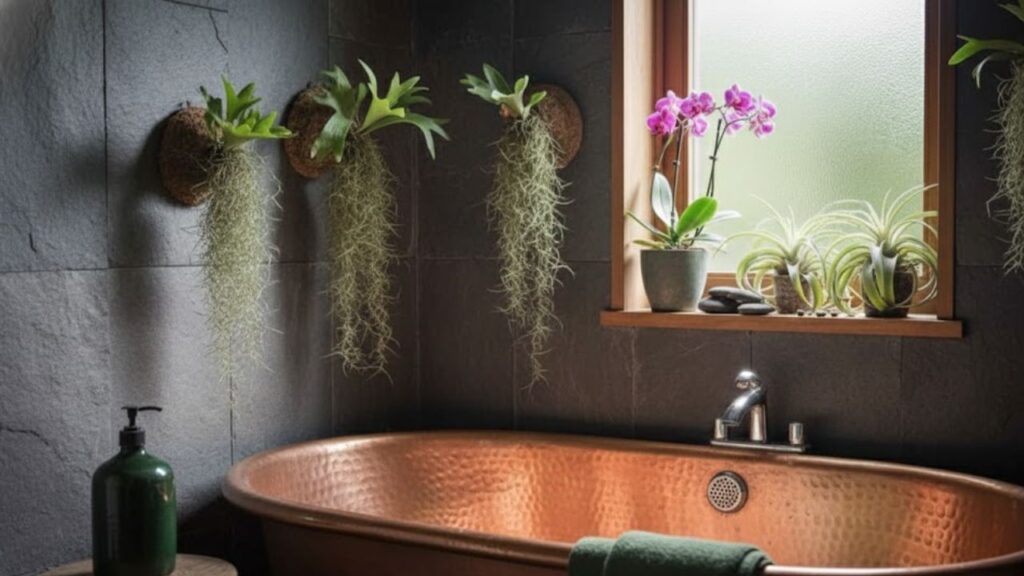
Not long ago, a young couple in Lyon decided to try something unexpected. Headaches after every cleaning session pushed them to ditch harsh sprays and introduce plants instead: three English ivies and a heartleaf philodendron hanging above the tub. They avoided bleach for six weeks.
The shift was gradual. Less damp odor. Walls that stayed cleaner after weekend wipes. The familiar black spots took far longer to reappear, and when they did, they were faint.
The Science Behind the So-Called Gimmick
What sounds like a trendy idea is grounded in real science. Certain plants don’t just “freshen” air. They interact with airborne spores and volatile compounds, drawing them in through leaves and roots. Micro-organisms in the soil then break these particles down. Instead of masking odors, you slowly change the bathroom’s invisible ecosystem.
That’s where bleach begins to look blunt. It kills fast, then leaves nothing behind to regulate what returns.
The Climbing Plant Stirring Debate
The most talked-about plant is one you’ve likely seen on old walls: English ivy (Hedera helix). Indoors, it behaves differently. In hanging pots or trained along a small trellis, it absorbs humidity, traps airborne particles on its leaves, and feeds a hidden network of bacteria in the soil that consume what makes a bathroom smell stale.
You still need to clean surfaces, but the mold becomes slower and less aggressive.
A U.S. indoor air quality study tested English ivy in sealed chambers filled with mold spores and airborne toxins. Within hours, spore levels dropped sharply, along with certain chemicals. It wasn’t a cure, but it was effective support. For once, the online before-and-after photos weren’t pure fantasy.
Why This Approach Triggers Strong Reactions
When photos of the Lyon bathroom appeared online, reactions poured in. “Plants cause mold.” “This is unsafe.” “You’ve been influenced.” Beneath the noise, others quietly experimented. They kept their sponges, swapped aggressive sprays for mild soap or white vinegar, and let the plants handle the background work that bleach never could.
Let’s be realistic. No one follows a perfect cleaning routine every day. Squeegeeing tiles, drying joints, ventilating after every shower belongs in hotels. At home, life gets in the way.
 This so called anti mold plant could it be more dangerous than the chemicals we want to avoid
English ivy doesn’t replace cleaning, and experts warn against overwatered pots. Used properly, though, it changes the strategy. Instead of monthly chemical assaults, you maintain a living filter that works around the clock. The controversy lies in one idea: regulation instead of disinfection. And that clashes with decades of “kill 99.9%” messaging.
How to Build a Small Green Defense Against Mold
Start small. One medium English ivy in a hanging pot is enough to test the idea. Place it where there’s light but no harsh midday sun, ideally near the shower where humidity lingers. Use a well-draining potting mix and a pot with drainage holes. Standing water is what turns plant corners into mold zones.
Water lightly, about a small glass once the soil surface feels dry.
Adjusting Habits Without Overhauling Your Life
Instead of bleaching grout weekly, wipe surfaces with hot water and a drop of black soap or gentle dish soap. Ventilate for at least 15 minutes after showers. We’ve all left the bathroom steamy while rushing out the door. The plant won’t fix everything, but it gives you breathing room.
The biggest mistake is assuming plants alone can solve structural issues. Damaged silicone or leaking tiles need repair. Indoor air quality specialists repeat the same reminder.
“Plants are allies, not magicians,” says environmental health consultant Anaïs Robert. “They work best where moisture is controlled and cleaning is regular but gentle.”
Think in Layers, Not Shortcuts
- Ventilation: open windows or a functioning fan after showers
- Gentle cleaning: soap, microfiber cloths, white vinegar for stubborn marks
- Plants: English ivy, pothos, or peace lily in drained pots
- Surfaces: repair cracked silicone and leaks promptly
- Habits: avoid leaving wet towels bunched in corners
Rethinking Mold and the Spaces We Live In
This story goes beyond a plant and a dirty bathroom. For years, we’ve fought every sign of life indoors with chemical force. Yet our walls, lungs, and skin host invisible communities constantly trying to rebalance after each attack.
Plants as anti-mold allies represent a quiet shift. Some will stick with bleach and spotless tiles. Others are testing a gentler approach, observing changes over weeks instead of chasing instant perfection.
A single vine in a damp corner won’t change everything, but it can change perspective. Your bathroom stops being an enemy to conquer and becomes a small ecosystem shaped by habits, products, and living choices.
If you try it, you may find yourself checking corners and noticing smells with curiosity instead of frustration. Some will call it a trend, others a quiet revolution. Somewhere in between lies a simple truth: a humble hanging plant can mark the beginning of living with your home, not fighting it.
 Bird lovers swear by this cheap January treat while critics say it is slowly killing wild birds
Key Takeaways at a Glance
- English ivy and airborne spores: Acts as a living filter through leaves and soil micro-organisms, helping reduce odors and mold presence
- Gentle cleaning over harsh chemicals: Soap, microfiber, and ventilation support plant effectiveness while lowering chemical exposure
- Daily habits matter most: Small, consistent actions prevent humidity buildup and reduce mold’s return
