
You slide last night’s lasagna back into the oven and notice it immediately. The dark, sticky ring on the glass, the burnt cheese fused to the racks, and that familiar smoky smell that appears every time you preheat. You promise yourself, “I’ll deal with it this weekend.” The weekend arrives, the door closes, and the mess stays.
One day, you flick on the oven light, stare at the hardened grime, and briefly wonder if it’s time to replace the whole appliance.
Then someone casually suggests, “Why not steam-clean it?”

It sounds almost made up.

But the first time you watch old, baked-on grease soften and slide away with barely any effort, it feels like a small piece of household magic.
The Hidden Mess Lurking Behind the Oven Door
Ovens rarely get filthy overnight. They change slowly, almost invisibly, from clean to embarrassing. A little cheese bubbles over. A roast spits fat. A forgotten pie leaks onto hot metal. You wipe what’s easy, shut the door, and move on.
Weeks later, you’re squinting through cloudy oven glass, wondering when your respectable appliance turned into a disaster zone.
One reader admitted she only noticed how bad it was when her mother-in-law paused mid-motion while sliding in a tray. She didn’t say a word. She just stared at the burnt-on rings and quietly turned on the extractor fan. That silence hurt more than any grease splatter.
Another confessed she baked with the window open, not for fresh air, but to stop the burning-fat smell from clinging to the curtains.
There’s a simple bit of chemistry behind this slow horror. Every time oil, cheese, sugar, or sauce heats up, it releases tiny droplets into the oven air. Those droplets settle on cooler surfaces like the walls and door. Repeated heat then hardens them, turning them into the dark, stubborn crust you see.
- Greenland emergency declared after researchers spot orcas breaching unusually close to melting ice shelves
- The US Navy crosses a technological line by deploying autonomous surface ships in a carrier strike group
- Nine habits worth keeping at 70 if you want others to say, “I hope I’m like that someday”
- Thousands of US passengers stranded as major airlines cancel hundreds of flights nationwide
- Day turns to night as astronomers confirm the longest solar eclipse of the century
- The return of the aircraft carrier Truman raises concerns about future naval conflicts
- Air fryer era fades as a new kitchen gadget offers nine different cooking methods
- Pension increases from January 22 apply only to retirees who submit a missing certificate
Dry heat alone keeps baking the mess in place. You need something that gets underneath the grime and lifts it. That’s where steam comes in.
The Steam-Clean Oven Method, Explained Simply
The idea is surprisingly straightforward: hot steam loosens grime so it almost wipes away on its own. Start by removing the racks and loose trays. Clean those separately in the sink.
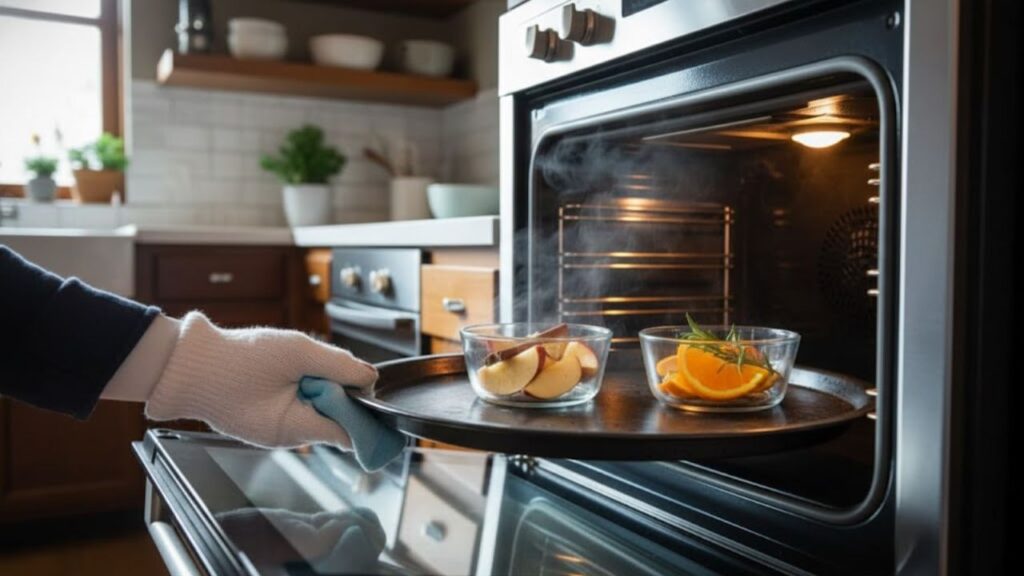
Take an oven-safe dish or deep baking tray and fill it with one to two cups of water. Add a generous splash of white vinegar or lemon juice to help break down grease. Place it on the middle rack or directly on the oven floor if your model allows.
Set the oven to a low to moderate temperature, around 230–250°F (110–120°C), or the lowest bake setting. Let it steam for 25 to 40 minutes. You want a misty, humid oven, not extreme heat.
 Goodbye Hair Dye for Grey Hair: The Conditioner Add-In That Gradually Restores Natural Colour
Turn the oven off and keep the door closed for another 10 to 15 minutes. During this time, the steam penetrates dried spills on the walls, ceiling, and glass. When you open the door and feel that warm, slightly acidic air, it means the buildup has started to loosen.
Put on gloves, grab a soft cloth or sponge, and gently wipe the interior. Brown streaks that once needed heavy scrubbing will come away with ease. For stubborn spots, soak your cloth in the remaining warm water, press it against the area briefly, and wipe again.
Avoid metal scrapers or harsh pads on enamel and glass, as they scratch easily. For extra help, some people add baking soda to the water or lightly dust it on burnt patches before steaming. The moisture and heat should do most of the work before you even start scrubbing.
Common Mistakes That Ruin the Results
The biggest mistake is rushing. If you cut the steaming time short, the hardened grease doesn’t fully soften. You wipe, see little change, and assume the method doesn’t work. Giving it enough time makes all the difference.
Another error is setting the temperature too high. Excessive heat causes the water to boil away too quickly, reducing the steam needed to soak the grime.
Some people are tempted to add strong cleaning chemicals to the water for extra power. That’s a quick way to fill a hot, enclosed space with harsh fumes. The mess may be annoying, but your lungs are more important.
This method works best as a regular reset, not a once-in-a-decade rescue. If your oven is already in bad shape, you may need to repeat the process or combine it with a baking soda paste on the worst areas.
For many, the biggest reward is mental. One home cook shared, “I avoided opening my oven for months. Watching that grime wipe away so easily felt like winning a small battle with my house.”
- Use the right container: A wide, shallow tray creates more steam than a small dish.
- Clean the door glass: Let condensation drip down, then wipe from top to bottom while warm.
- Add a light scent: Lemon slices or a cinnamon stick leave a fresher smell.
- Wipe while warm: Wait until it’s safe to touch, but don’t let it go cold.
- Finish dry: A final wipe with a dry cloth prevents streaks on the glass.
Turning an Unpleasant Task Into a Simple Habit
After a few steam-clean sessions, something changes. The oven stops feeling like a sealed box of shame and becomes just another tool you maintain. You open the door more often, wipe splatters early, and notice the neutral smell of preheating return.
We’ve all felt that quiet fear of someone peeking inside and judging us more harshly than any burnt lasagna deserves.
A simple combination of water, heat, and a little vinegar does more than remove grime. It removes the idea that oven cleaning is an overwhelming job. Suddenly, it’s something you can handle on a random evening while dinner cooks.
Before long, you may find yourself sharing tips with friends, comparing small tweaks, and running a quick steam after Sunday lunch. What begins as a cleaning trick becomes a manageable routine, and your kitchen somehow feels lighter.

- Steam handles the hard work: Gentle heat and moisture soften baked-on grease, reducing effort and time.
- Minimal ingredients: Water, vinegar or lemon, and optional baking soda keep it affordable and low-chemical.
- Routine beats rescue: Regular steaming prevents heavy buildup, improves odors, and supports safer cooking.
