
In the clear light of morning, your attention drifts to the real issue: those thin, dark seams running between the tiles, as if the floor was outlined with a grimy pencil. You’ve scrubbed on your knees, tested so-called miracle sprays that reek of chlorine, and even toyed with the idea of covering everything with a giant rug. Dark grout lines feel like a silent verdict on your cleaning habits, a constant reminder you can’t quite escape.
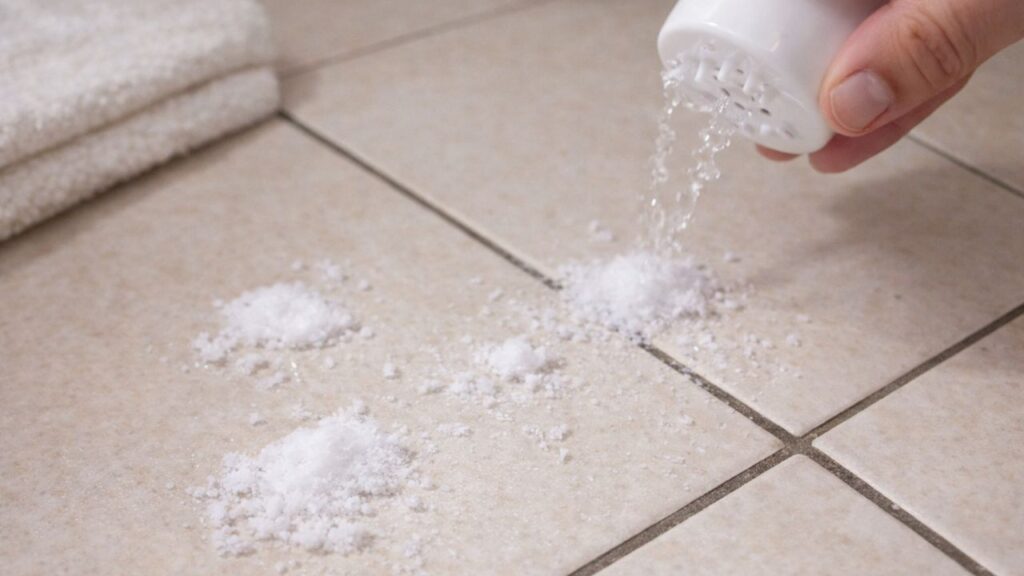
Then, one day, someone casually shares a tip. No vinegar. No bleach. No harsh fumes burning your nose. Just a simple method using something already sitting in your kitchen. Supposedly, the tiles end up looking like they did in the estate agent’s photos. It sounds suspiciously easy. Almost too good to be true.
Why Darkened Grout Always Feels Like Defeat
Grout has a habit of turning on you slowly. When it’s fresh, you barely notice it, quietly separating clean tiles. Then life happens. Wet winter shoes, muddy paws, spilled drinks, everyday cooking residue. Pale lines fade to grey, then brown, then black. One weekend, you realise your floor looks worn out even after a fresh mop.

Many assume stained grout means the floor is beyond saving, when it’s usually just embedded dirt, soap residue, and mould clinging inside porous lines. Unlike tiles, grout behaves like a sponge. It absorbs moisture, oils, and detergent build-up. Over time, this mixture settles deep inside. That’s why quick surface cleaning barely makes a dent. The issue lives below the surface.
 Everyday arm exercises for women over 55 tighten flab faster and boost upper-body confidence
Cleaning professionals quietly admit that most dramatic “deep clean” results are really grout recoveries. A UK household survey found over 60% of people with tiled floors felt embarrassed by their kitchen grout when guests visited. That embarrassment is real. On video calls or photos, the grout can feel louder than anything else in the room. People reach for stronger chemicals, scrub harder, weaken the grout, and end up stuck in a frustrating cycle.
The Science Behind Why Harsh Cleaners Make It Worse
The explanation is simple. Grout is cement-based, rough, and full of microscopic holes. Dirt grips those pores tightly. Strong chemicals like bleach don’t just clean; they can strip and weaken grout unevenly. Vinegar, often praised as natural, is acidic and slowly erodes cement, making grout even more absorbent over time.
The irony is harsh but true. The more aggressive the product, the faster grout can darken again. Instead of burning stains out, the effective approach is gentle extraction. Lifting dirt out of the pores without damaging the structure is what actually restores colour and keeps it that way longer.
The Simple No-Bleach, No-Vinegar Method That Works
The solution starts with baking soda. Not sprinkled loosely, but mixed into a paste. Combine a few spoonfuls with warm water until it reaches a toothpaste-like texture. This mild abrasive cleans without scratching tiles and its alkaline nature helps loosen greasy residue trapped in grout.
Apply the paste directly into the grout lines using an old toothbrush or grout brush. Work in small sections you can manage within 10 to 15 minutes. Press the paste in rather than brushing it lightly over the top. Then lightly mist the area with 3% hydrogen peroxide, the common first-aid solution. When combined, the mixture gently fizzes, lifting stains and tackling mould without harsh fumes.
 What does greeting someone without getting up from your chair mean, according to psychology?
Let it sit for around 10 minutes. Not longer. Then scrub again, wipe away the paste with a damp cloth, and mop with clean water. Once dry, the transformation can be striking. Grout that looked permanently dull often returns several shades lighter, sometimes revealing its original colour for the first time in years.
Common Mistakes That Reduce Results
Some people flood the floor with peroxide, thinking more liquid means better cleaning. It doesn’t. A light mist is enough. Others skip brushing and expect the fizz alone to do the work. Mechanical scrubbing is what loosens what the paste has softened.
Timing matters too. Letting the paste dry completely makes cleanup harder, while rinsing too soon limits effectiveness. Around ten minutes is the balance most floors need. This isn’t a daily ritual. Think seasonal refresh with gentle maintenance in between.
One homeowner shared her experience after testing a single grout line before calling a professional. The cleaned strip looked freshly regrouted overnight. The relief was immediate, mixed with frustration that such a simple method isn’t common knowledge.
- Thick paste works better than watery mixes
- Small sections are easier to control
- Light peroxide spray is enough
- Ten-minute wait delivers best results
- Final rinse prevents residue buildup
A Cleaner Floor Can Quiet the Mind
There’s a subtle relief in seeing a floor that no longer looks apologetic. Clean grout changes how a room feels. The kitchen seems more cared for, even with dishes waiting. Bathrooms appear fresher before towels are folded. In photos and listings, bright grout instantly suggests newness. In daily life, it simply feels calmer.
More than that, fixing a spot you’d written off as hopeless can shift your mindset. Those dark lines by the door or shower often feel permanent. Watching them respond to a simple, non-toxic solution loosens that sense of defeat. It’s not just about cleanliness; it’s about regaining control over a space.
One reader described doing this on a quiet Sunday afternoon with the radio playing softly nearby. Halfway through, the task stopped feeling like a chore and became almost meditative. No sharp smells, no irritation, just steady progress and visible reward. Blackened grout may be a small problem, but restoring it can feel unexpectedly hopeful.

- No harsh chemicals reduce damage and fumes
- Targeted process fits into real routines
- Visible results restore grout close to original colour
