Scientists are increasingly warning that a long-standing natural cycle affecting weather and ecosystems is becoming harder to predict, with real consequences for India. From farming patterns to water availability, these shifts are no longer following the familiar rhythms people relied on for generations. Researchers say rising global temperatures and human pressure on the environment are amplifying natural variability, making extreme outcomes more common. As this cycle grows less stable, communities across the country are being forced to adapt faster than expected, often without clear signals of what the next season might bring.
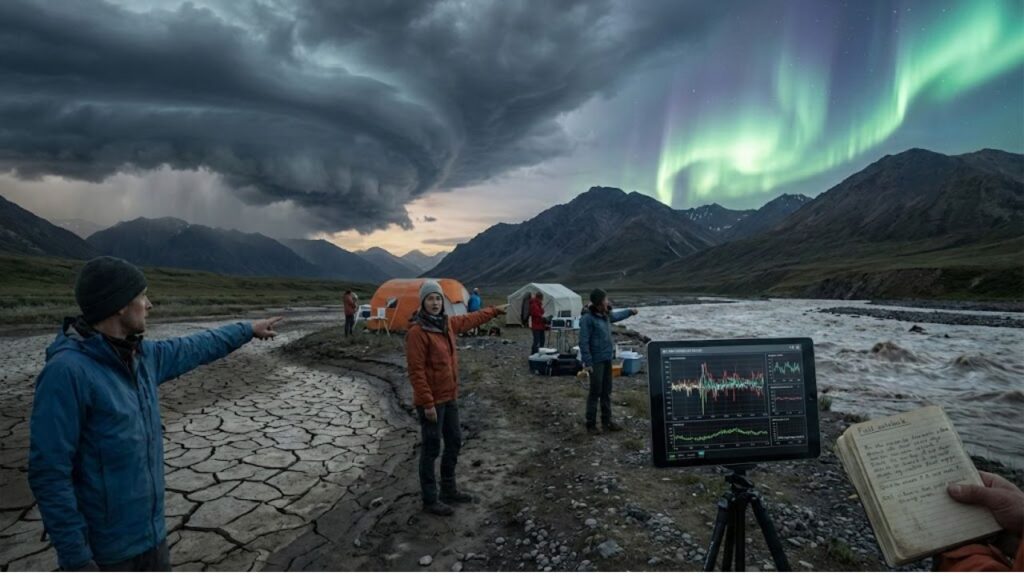
Why this natural cycle is turning unpredictable
Experts say the core issue is that a once-reliable natural cycle is now interacting with modern climate stressors. Warmer oceans, shifting wind patterns, and land-use changes are disrupting long-term balance. Scientists point to rising ocean heat, altered wind flows, unstable rainfall timing, and longer extreme phases as signs that old forecasting models are struggling. Instead of gradual transitions, sudden swings are becoming more common, making it difficult for planners to prepare. This unpredictability doesn’t mean the cycle has vanished; it means its behavior is being reshaped by forces layered on top of natural variability.
How unpredictable climate cycles affect India
In India, changes in this natural cycle are felt most sharply through agriculture and water systems. Farmers depend on seasonal signals, but those signals are becoming blurred. Scientists highlight erratic monsoon onset, uneven regional rainfall, crop planning risks, and water storage stress as growing challenges. A delayed season can be just as damaging as an intense one, especially for rain-fed areas. Urban regions are also affected, with drainage systems facing pressure from sudden downpours that arrive without the usual warning patterns.
What scientists say about future cycle behavior
Looking ahead, researchers caution that uncertainty may be the new normal. While the natural cycle will continue, its swings could become sharper and less predictable. Current studies point to shorter calm periods, stronger peak events, forecast confidence drops, and planning adaptation needs. Scientists stress that better monitoring and flexible response strategies matter more than trying to restore past patterns. Preparing for a range of outcomes, rather than one expected scenario, is now considered the safest approach.
Why unpredictability changes long-term planning
The growing unpredictability of this natural cycle forces governments, businesses, and households to rethink long-term decisions. Infrastructure designed for predictable conditions may no longer hold up under sudden extremes. Experts emphasize resilience over precision, local data focus, early warning systems, and community preparedness as key priorities. Instead of asking when the next shift will occur, planners are being encouraged to ask how quickly systems can respond. This mindset shift could determine how well societies cope with an increasingly uncertain natural rhythm.
| Aspect | Earlier Pattern | Current Trend |
|---|---|---|
| Season timing | Mostly predictable | Irregular shifts |
| Rainfall spread | Evenly distributed | Highly uneven |
| Extreme events | Occasional | More frequent |
| Forecast accuracy | High confidence | Lower certainty |
| Planning approach | Fixed schedules | Flexible responses |
Frequently Asked Questions (FAQs)
1. What natural cycle are scientists referring to?
It generally refers to long-term climate and weather cycles that influence seasonal patterns.
2. Why is this cycle becoming unpredictable?
Human-driven climate change is interacting with natural variability, amplifying extremes.
3. How does this affect daily life in India?
It influences farming decisions, water supply planning, and disaster preparedness.
4. Can scientists still forecast these cycles?
Yes, but forecasts now focus on probability ranges rather than exact outcomes.