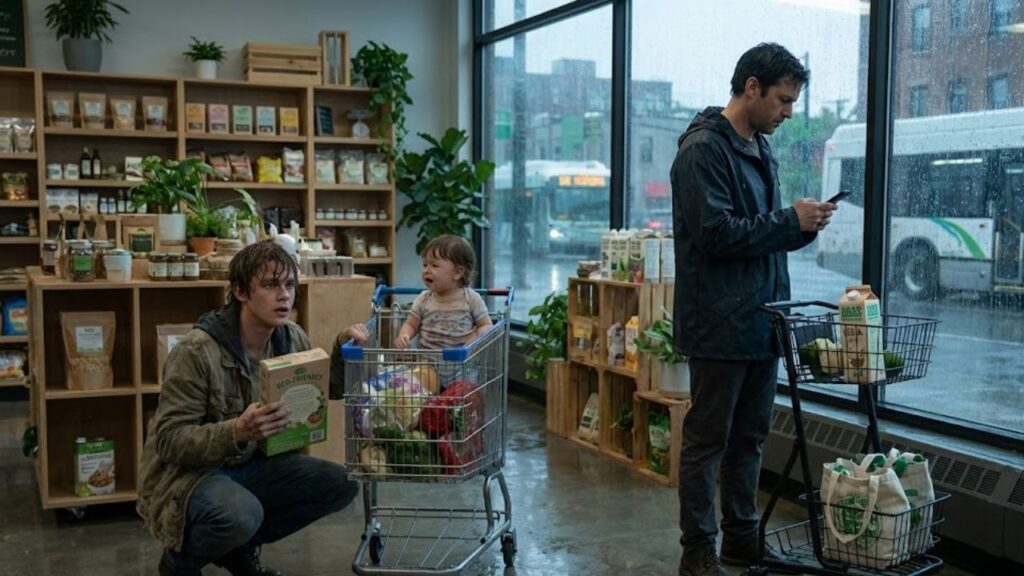
On a rainy Sunday inside a packed supermarket, a toddler’s cries echo through the cereal aisle as an exhausted mother bargains over chocolate puffs. A few steps away, a woman in her thirties scrolls her phone, reading about climate collapse and overpopulation, with only oat milk and a single avocado in her basket. She notices the tears, catches the apologetic glance, and smiles back kindly. Then her eyes drop to a headline glowing on her screen: “Is Not Having Children Selfish?”. For a moment, her chest tightens. The labels are familiar—self-centered, career-driven, anti-family. Yet every new climate report leaves her wondering if choosing not to bring a child into this reality is, in fact, the most responsible choice she can make.
The Sting of the “Selfish” Label
The accusation comes quickly and often: people who decide against having children are selfish. It surfaces at family dinners, after announcements of voluntary childlessness, and across social media threads. The logic sounds simple—choosing yourself over a child must mean choosing comfort over sacrifice. But when you step back, the wider picture complicates that claim. Wildfires, extreme heat, biodiversity loss, and cities that feel unlivable by early summer dominate daily news. For many younger adults, the charge of selfishness collides with a deeper worry: what kind of future could a child realistically expect on a rapidly warming planet?
When Personal Readiness Meets Planetary Anxiety
Léa is 29 and lives in a modest flat beside a ring road. She works in marketing, earns well, and is in a stable relationship—by most standards, the “ideal time” for parenthood. Yet one browser tab never closes on her laptop: a sharply rising CO₂ concentration graph. She reads about food insecurity, climate migration, and growing mental health crises. Léa loves children, but the thought of having one now feels like inviting someone into a celebration just as the ceiling begins to crack. For her, hesitation isn’t about lack of love; it’s about an overwhelming sense of responsibility.

The Reality Behind the Idealized Image of Parenting
What often goes unsaid is the contrast between the romantic vision of parenting and its lived reality. Soft lighting, shared laughter, and matching outfits rarely show the financial pressure, mental load, and burnout many parents face. When childfree adults are called selfish, it ignores a crucial truth: some are not withholding care, but choosing not to add to existing suffering. On a planet where the richest 10% generate roughly half of global emissions, deciding to reduce personal impact by not adding another high-consumption life can look less like indulgence and more like restraint. It may not feel noble—but for some, it feels honest.

From Moral Judgment to Personal Ethics
One practical way to navigate this question is to separate it into two parts: “Do I genuinely want to be a parent?” and “What does that mean within today’s planetary limits?”. Blending these questions into a single knot of guilt makes any answer feel impossible. Start with raw desire, stripped of climate data, family pressure, and social expectations. Then add environmental values as a second layer—not as self-punishment, but as guidance. Many conflicts arise because people argue on the wrong ground, forcing justifications that leave everyone wounded.
 This so called anti mold plant could it be more dangerous than the chemicals we want to avoid
- Clarify personal desire – Reflect honestly on what parenting means to you beyond social norms and fear.
- Acknowledge the planetary context – A child’s footprint varies greatly by lifestyle and country, raising different stakes.
- Accept imperfect choices – Parenthood, childfree life, adoption, or fostering all exist within an imperfect world.
Sharing a Future No One Fully Controls
Ultimately, this debate exposes collective fears more than moral truth. Parents worry about being seen as reckless. Childfree adults fear being labeled broken or uncaring. Older generations fear the loss of continuity, while younger ones fear a world that may not sustain them. Meanwhile, the climate continues to change, species vanish, and political solutions lag behind reality. Whether we have children or not, we will still share heatwaves, crowded buses, and flooded streets. Perhaps the deeper question isn’t about selfishness, but about learning to respect different choices without tearing each other apart.
Living With Different Choices
A parent raising a child with low-impact habits and a strong sense of justice can help shape a better future. A childfree adult who invests time and resources into community work or climate action can do the same. Harm begins when one side insists the other is morally inferior. No reproductive decision should feel like a courtroom defense at the dinner table. The planet doesn’t require unanimous agreement on having children—it needs fewer fossil fuels, fairer systems, and people willing to act. Responsibility isn’t measured by parenthood status, but by whether we choose to face reality with open eyes.
v