
Screenshots of “secret EU directives” circulate, angry comments pile up, and neighbours eye each other’s gutters with suspicion. On a damp Tuesday in Birmingham, a man tells me he’s “not risking a butt in the garden” because his cousin saw a post about a woman “done for harvesting the rain”. No link to a real law. No source. Just a feeling that someone, somewhere, must be banning something as ordinary as weather.
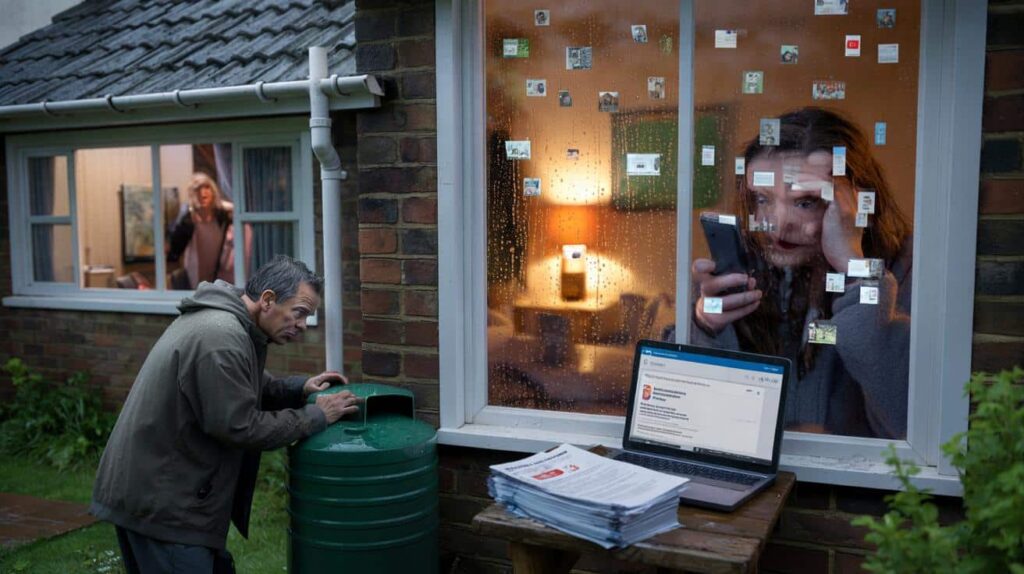
By the time anyone checks what the law actually says, the rumour has already outrun it.
How a puddle of panic turns into a flood of outrage
The first time you see the claim, it’s almost throwaway: a meme saying “2026: You’ll be FINED for collecting rainwater”. It sits between a cat video and a recipe on your feed. The idea feels absurd, but it hooks into something deeper — that creeping sense that everyday freedoms are quietly shrinking. A few scrolls later, the same claim pops up again, recycled with scarier wording and a blurry photo of a “government letter”.

Algorithms love repetition. So does fear.

In Leeds, a community Facebook group recently exploded after someone posted a viral graphic claiming new UK rules would “criminalise private rainwater collection”. Within hours, hundreds of comments rolled in. Some were furious, others panicked, a few resigned: “They tax everything now, nothing surprises me.” A lone user dropped a link to the actual Environment Agency guidance, calmly explaining that domestic water butts are fine. Their comment sank under a pile of shouting emojis and share buttons.
On social platforms, outrage climbs to the top. Boring accuracy rarely makes it out of the basement.
What’s really going on is a perfect social media storm. A mix of half-remembered stories from the US, misinterpreted local bylaws, and genuine climate anxiety. Rainwater rules do exist in some parts of the world, usually to protect rivers or manage drought. But online, these nuances get stripped away. What travels fastest is the most extreme version: *You can be fined for the rain that falls on your own roof.* The more the claim taps into a pre-existing mistrust of institutions, the less it gets questioned. Say “law” and “fine” in the same sentence and people’s critical thinking goes on holiday.
How to check if that scary rainwater post is real
There’s a simple, almost boring method that beats 90% of viral legal myths. Start with the country, then the source, then the text. Type the claim into a search engine, but add words like “legislation”, “gov.uk”, “Environment Agency”, or the name of your local council. Look specifically for an official PDF, a parliamentary bill, or a page from a government or recognised regulator. If the viral post mentions an “Act”, check if that exact title exists in the official legislation database.
If you can’t find the law, that’s already an answer.
Next, cross-check with trusted explainers: consumer associations, major news outlets, or environmental charities. Many of them have already debunked common myths about rainwater harvesting, hosepipe bans, and water metering. Read how they phrase things. Real rules tend to sound dry, technical, a bit dull. Viral fakes shout in all caps, throw in dramatic deadlines, and rarely link to anything but other viral posts. *Law rarely goes viral — slogans do.*
We’ve all opened a WhatsApp message or a Facebook post that hits a nerve before we’re fully awake. On a rainy Sunday in Manchester, a mum tells me she shared a “rain tax” warning without reading it properly because she was making packed lunches at the same time. “It sounded like the sort of thing they would do,” she shrugs. That phrase is key. When something matches our fears, our brain quietly moves the “prove it” bar much lower than usual.
Sharing feels like helping, so we tap “forward” before we’ve even taken a breath.
The trouble is, these stories are sticky. Even after they’re corrected, a tiny residue remains: a vague distrust of any future water rule, however sensible. So when genuine discussions about flood planning or sewage overflows come along, many people switch off. They’ve already filed the whole topic under “probably some scam”. The rumour wasn’t just wrong; it ate the space where real conversations should live.
The logic behind the mismatch is brutal but simple. Laws move on months-long timetables. Viral posts move on seconds. MPs debate, committees amend, regulators consult. Screenshots don’t need any of that. A single angry TikTok about “rain fines” can reach a million people before the first civil servant has finished their morning coffee. By the time official bodies publish a careful fact-check, the crowd has moved on to the next scandal. Attention has a shorter shelf life than yoghurt.

There’s also a structural gap. Regulators and local councils tend to communicate in dense PDFs and stiff press releases. Social media thrives on faces, feelings, and short, sharp phrases. So the space between dull official language and colourful viral myths gets filled by whoever talks first and loudest. Very often, that’s not the people who’ve read the law, but the ones who’ve skimmed a screenshot of it and jumped straight to worst-case scenarios.
Staying sane when every cloud has a rumour attached
One practical habit changes the whole game: slow your share finger by 10 seconds. Before you hit repost on that alarming rainwater claim, ask three quick questions. Who’s saying this? Where’s their information from? What do they gain if I believe it? Then do one tiny check outside your social app — even a basic web search with “fact check rainwater fines UK” can surface reliable sources.
That 10-second pause is boring. It’s also a quiet act of resistance against being emotionally farmed for clicks.
If you do want to talk about possible changes to water rules, anchor your conversations in what you can actually see and verify. Your water bill. Your council’s flood plans. Your region’s drought warnings. Real-world documents have dates, names and contact details. Viral graphics rarely do. When in doubt, write down the claim on a scrap of paper and look at it away from the screen. It sounds silly, but changing context helps your brain switch from reactive to reflective.
There’s a gentle way to push back when friends or relatives share scary myths. Start by validating the feeling, not the rumour. “Yeah, it’s scary how fast things seem to change,” lands much better than “That’s fake news”. Then ask, “Have you seen where this law is written down?” or “Mind if I check that, I’m curious?”. Invite them into the checking process instead of slamming the door with a fact-check link.
Soyons honnêtes : personne ne lit des rapports parlementaires pour se détendre le soir.
When you do find that a claim is off, keep your tone light. People rarely change their minds when they feel humiliated. A simple “Looks like this one got a bit exaggerated, here’s what it actually says” lowers defences. Remember you’re not fighting your uncle or your neighbour; you’re both, in a way, fighting the machine that profits from your shared outrage. If they still want to believe the scariest version, you can step back. You’ve planted a seed.
“Most viral legal myths have a tiny grain of reality buried deep inside them,” says a media literacy researcher I spoke to. “The problem is that social platforms strip away all the context, then sell us the fear on top.”
There are a few small, concrete moves that make you harder to fool. Turn off autoplay where you can. Follow at least one or two accounts that specialise in debunking environmental or policy myths. Save links to official sites so you can find them quickly when the next storm of rumours rolls in. And once in a while, clean your feed of pages that seem to thrive on permanent outrage.
- Check claims against at least one official or expert source before sharing.
- Notice all-caps headlines, vague “they” and missing links as red flags.
- Talk about how rumours spread, not just whether they’re true or false.
What rainwater rumours reveal about our relationship with rules
The strange thing about “rainwater fines” isn’t just that they spread. It’s that they resonate. There’s a background hum of insecurity running through daily life, from energy bills to housing to climate shocks. A story that says “they even want to charge you for the sky” taps straight into that unease. It’s less a claim about law and more a story about power, fairness, and who gets to own what falls from above.
So when we look at those posts, it helps to read them twice. Once for the facts, once for the feelings underneath. The facts can usually be cleared up with a few searches and a handful of links. The feelings — of being squeezed, unseen, overruled — need a different kind of answer. That might look like citizen assemblies on water use, or councils explaining new flood infrastructure in plain English, or neighbours talking face to face instead of comment to comment.
On a wet street in Bristol, I watch a man adjust his new water butt with quiet pride. He’s read the guidelines, checked with the council, and shrugged off the online noise. “If they change the rules one day, I’ll deal with it then,” he says. “For now, it rains, I catch it, the plants drink it. Simple.” Somewhere in that modest routine sits a bigger lesson. We live between clouds and code: natural cycles above, legal texts below, and our jittery feeds in the middle. How we move through that space — panicked or patient, reactive or reflective — shapes not just our thumbs, but our democracy.

| Point clé | Détail | Intérêt pour le lecteur |
|---|---|---|
| Viral myths move faster than laws | Social media rewards emotional, simplified claims long before official bodies respond. | Helps you understand why your feed feels scarier than real life. |
| Simple checks beat most false claims | Quick searches on official sites and reputable media usually settle the question. | Gives you a practical way to cut through confusion in minutes. |
| Emotions drive sharing more than facts | Stories about “rain fines” tap into wider fears about control and fairness. | Invites you to notice your own reactions before hitting share. |
FAQ :
- Can I really be fined in the UK for collecting rainwater at home?For ordinary households using rainwater butts in the garden, there is currently no general UK law that fines you just for collecting rain off your roof.
- Where did the “rainwater fines” rumour come from?It’s a cocktail of misread foreign laws, local planning rules, and viral posts that exaggerate or distort niche regulations.
- How can I quickly check if a legal claim I see online is genuine?Search the exact name of the supposed law on official legislation sites or gov.uk, and look for coverage by established news outlets.
- Are there any real rules about using rainwater?Yes, in some places there are technical standards for plumbing, drainage, or large-scale harvesting, mostly to protect public water systems.
- What should I do if friends keep sharing scary but doubtful posts?Respond gently, share a clear source, and frame it as curiosity rather than correction; if they resist, it’s okay to step back.
