
It was a grey Tuesday in a small industrial town, where trucks lined up at dawn and the air was filled with the scent of coffee from plastic cups. The crew from the public works company thought they were just performing another routine dig for a new road section.
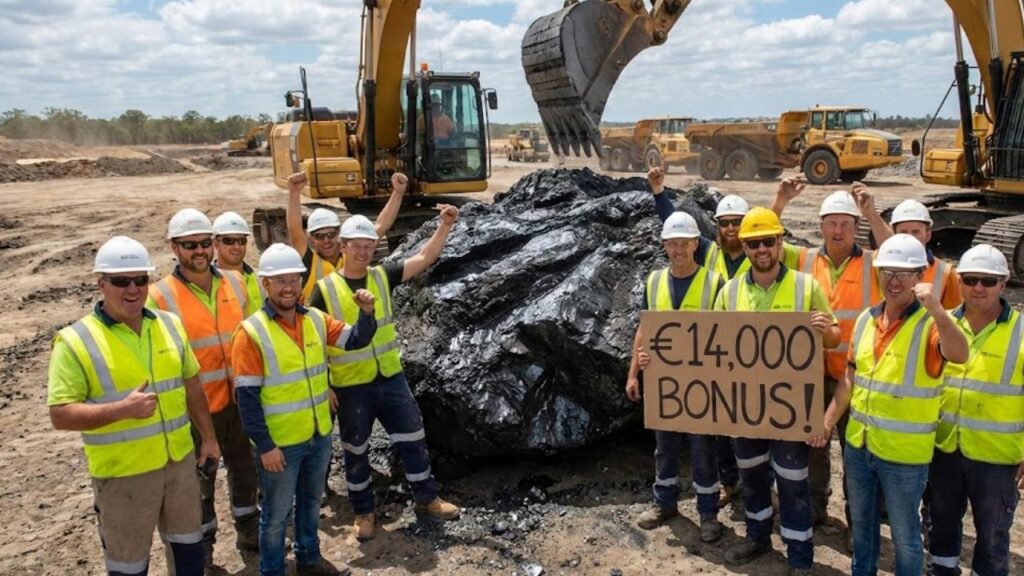
Then, the drills struck something unusual—a strange, dark band. The machines slowed. Phones were pulled out. Someone joked about discovering “coal from another planet.” Within hours, three white SUVs arrived, carrying experts in orange helmets and serious faces.
By the end of the week, the revelation struck like a thunderclap: 41 million tons of almost pure graphite, right under their feet. A few days later, another shock—every worker on the site would receive an exceptional bonus of €14,000 each.
 Why A Shrinking Human Population Won’t Automatically Save Wildlife: Lessons From Rural Japan
None of them had anticipated such a dramatic shift in their lives, all triggered by what began as just another workday.

When Routine Work Turned into an Unexpected Windfall
The discovery didn’t seem remarkable at first. No sparkling gems, no movie-like caves filled with shining treasures—just deep, dark veins of rock, matte and almost unremarkable to the untrained eye.
However, the mood on the construction site changed dramatically in a single morning. The foreman spoke in hushed tones. The oldest workers—those who had “seen it all”—were suddenly alert, following the geologists like shadows. Curiosity and a hint of anxiety filled the cold air.
They all understood one thing: this was massive. Really massive.
Once the news leaked that the strange rock was high-purity graphite, phones buzzed nonstop. Some workers filmed the excavation and sent clips to their families. Others quickly searched for “graphite price per ton” while eating lunch in their vans.
Officially, the public works company had been hired for a simple infrastructure project—clearing, digging, and preparing the ground. Unofficially, within 48 hours, the site had turned into a semi-secret area, fenced off tighter than usual. “We’re sitting on something huge,” whispered an excavator operator, eyes a mix of amusement and disbelief.
The rumor mill kicked into high gear. “They found something under the new road, my cousin works there,” said one local post. In no time, “graphite” began to sound like the name of a lottery-winning ticket in this small town.
Why Was Everyone So Excited About Graphite?
Graphite is one of the most strategic materials of our time. It’s used in electric vehicle batteries, advanced electronics, heavy industry lubrication, and even in the pencils we use to write. Global demand for graphite is soaring, especially as the world transitions to cleaner energy sources.
Countries are worried about supply chains, and companies are hunting for new deposits. So, when surveys confirmed tens of millions of tons of exceptionally pure graphite, the entire region’s economic landscape shifted overnight.
For the public works company, this wasn’t just a technical matter—it was about reputation, contracts, and massive profits. For the workers, it was simpler: *maybe, just maybe, this windfall would actually reach them*.
The €14,000 Bonus: Real Money, Not Just a Memo
The decision to grant each worker a €14,000 bonus didn’t come out of nowhere. Negotiations started quickly after the discovery was confirmed. Management knew they were sitting on a fortune. The unions were well aware of it too.
Inside meeting rooms that still smelled of dust and coffee, they debated numbers, timing, and eligibility. The logic was clear: without the workers and their daily grind, the deposit might have remained buried for years. Their work created value long before stock prices reflected it.
Behind closed doors, tensions ran high. Meanwhile, excavators continued to dig.
One story spread quickly among the workers: a machine operator with 12 years on the job had already planned how he’d use the money, even before it was officially announced. He wanted to pay off his car loan, fix his roof, and finally agree to the summer holiday his kids had been begging for.
When the announcement was made official, the crew gathered in a dusty prefab building. The director spoke about “exceptional effort” and “shared success” in a tone that felt too formal. Then, the number appeared on the screen: €14,000. Net.

Silence. Then, a mix of laughter and swearing. A worker in a fluorescent jacket whispered, “That’s my debts gone.” Another later admitted to crying in his van before calling his mother.
Everyone has experienced that moment when real money—more than a small raise—suddenly changes what’s possible. The difference here was that this windfall didn’t come from a lottery ticket; it came from hard work, from days spent in the mud, noise, and aching backs.
Nothing about this bonus was random generosity. From a strategic point of view, the company had every reason to share a slice of the cake. The graphite find was attracting attention from investors and authorities. Paying an exceptional bonus sent several signals: loyalty to staff, recognition of on-the-ground expertise, and a desire to avoid a PR disaster where workers felt exploited.
What the “Graphite Bonus” Teaches About Money, Work, and Opportunity
Behind the viral headline “€14,000 bonus for every worker,” there’s a simple, almost practical lesson: unexpected money hits hardest when you already know how you want it to change your life. The workers who made the most of their windfall did something simple.
They sat down—sometimes with a partner or friend—and wrote three short lists: debts to clear, essentials to manage, dreams to pursue. No spreadsheets—just pen and paper on a kitchen table. That’s how one welder used the bonus to pay off his credit card balance and set aside some money for a training course he had put off for years.
The mineral beneath their feet had gained value. Their time had also gained value.
Many realized, almost by surprise, how easy it is to let a windfall slip away. A few treated it like play money—new gadgets, nights out, impulsive purchases “because we deserve it.” The joy was real, but the hangover came quickly when their bank balances fell back to their old levels.
The quieter ones—those who were used to managing every euro—moved differently. They spoke about breathing easier, sleeping better, knowing the overdraft was gone. They walked onto the site feeling a little less trapped.
Not everyone treats a lump sum like a lever, but this bonus showed them what happens when, just for a brief moment, they did.
One supervisor summed it up, and his words stuck with the crew: “We dig value out of the ground for others all year long. This is the first time the ground gave something back directly to us. Don’t throw it away in three weekends.”
His words circulated in group chats, accompanied by screenshots of account balances. The emotional range was raw—pride, guilt, relief, and a little fear about “wasting” such a rare opportunity.
The graphite story wasn’t just about geology or corporate decisions. It was about workers renegotiating their relationship with money and their own effort for a short while.
After the Shock: What’s Left Once the Dust Settles?
Once the cameras left and the headlines died down, life at the site returned to its rhythm of early alarms and noisy engines. The graphite was still there, waiting to be fully exploited, now wrapped in studies, permits, and long-term plans that moved at a slower pace than a viral story.
For the workers, life didn’t turn into a fairy tale. The alarm still rang at 5 a.m., and the bodies still ached after every shift. But something subtle had shifted in how they spoke about their jobs. “We’re not just guys who dig,” one worker said. “We found something the whole country suddenly cares about.”
Though the bonus was spent—partly or entirely—the memory of that number on their bank statements remained as tangible as the streak of black rock beneath the soil.

Key Takeaways
- Exceptional bonus: Each worker received €14,000 after the graphite discovery, showing how a windfall can dramatically shift daily life.
- Strategic graphite find: 41 million tons of high-purity graphite under an ordinary worksite, connecting a simple job to global economic stakes.
- Use of the money: From paying off debts to funding small dreams and projects, offering valuable ideas for handling unexpected sums with fewer regrets.
