
The shower is off, yet the bathroom still feels like a tropical greenhouse packed into a small space. The extractor fan hums faintly above, doing its best. You crack the door, grab your clothes, and walk away. Ten minutes later, the room is still heavy, as though the air hasn’t made up its mind where to go.
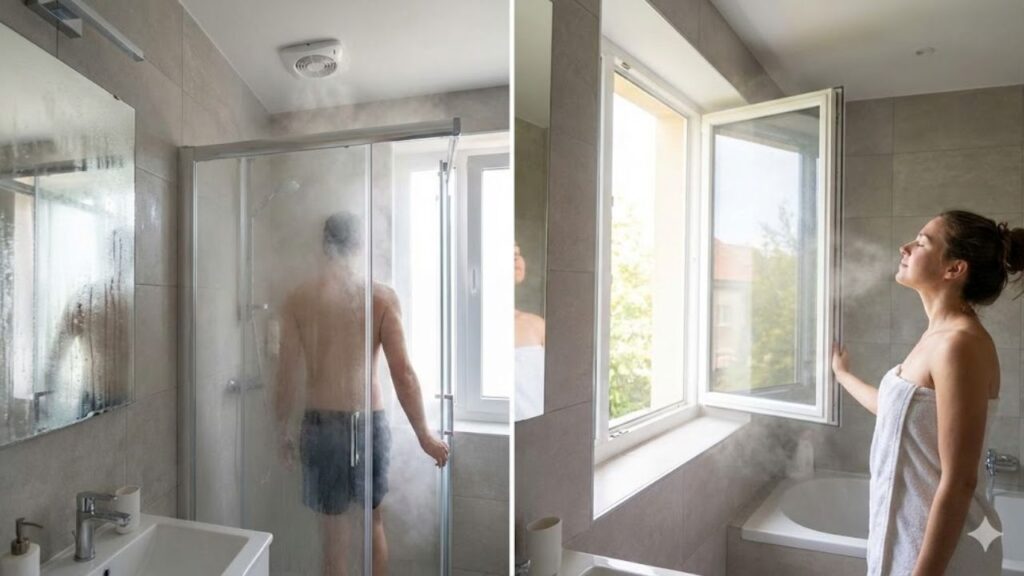
This scene plays out in thousands of homes each morning. Fast showers, quick routines, brief fan use. The moisture we no longer notice quietly seeps into the walls, ceiling, and window frames. Months pass. Then, black spots emerge in corners, paint begins to bubble, and the smell shifts to something faintly sweet and stale.
But there’s one simple change that can fix all of this. And no, it’s not the fan switch.
 Many people don’t realise it, but cauliflower, broccoli and cabbage are varieties of the same plant
Why Your Fan Isn’t the Solution You Think It Is
Extractor fans look reassuring. A little plastic square, a soft hum, sometimes a red light. It feels like a machine that knows its job. The reality is less glamorous. Most bathroom fans only shift a modest amount of air, and they depend on one thing we rarely consider: where that damp air can actually go.

If doors are shut tight and windows are closed, the fan isn’t truly “removing” moisture from the space. It’s just shuffling wet air around a sealed box. A few litres of hot water vapor can overwhelm most standard fans in minutes. The room might look clear once the mirror fog lifts, but the humidity stays.
In a survey by a UK housing association, inspectors found visible mold in over 40% of bathrooms they checked. Most of these homes had working extractor fans. In a typical small bathroom, a 10-minute hot shower can release more than a litre of water into the air. You don’t see it, but you feel the warmth and comfort.
One couple in a modern flat in Manchester thought they were doing everything right. They installed a new fan, left it running on a timer, and never opened the window in winter to “save heat.” Within two years, the ceiling paint peeled, and the silicone around the bath turned orange, then black. Their landlord blamed “poor ventilation.” The fan had been running daily, and the window hadn’t opened once.
The Real Culprit: Moisture
Moisture is stubborn. Air can only hold so much before the excess starts to settle on colder surfaces like windows, corners, and external walls. That’s where condensation forms, silently feeding mold spores already in the air. Fans move air, but they don’t magically absorb water. The key is proper air exchange: wet indoor air out, drier outdoor air in.
When you open a window after a shower, you create a direct escape route for damp air and let in fresher, less humid air from outside. The fan becomes an assistant, not the main actor. The physics is simple: you’re not just stirring the steam; you’re replacing it.
The Simple Habit That Beats Any Extractor Fan
The most effective solution costs nothing and takes just 20 seconds. As soon as you finish your shower, open the bathroom window fully. Not halfway, not in trickle mode—wide open. Then, leave the bathroom door slightly ajar so the steam doesn’t drift into bedrooms or cupboards.
 Storm as city fines gardener for feeding stray cats while neighbors applaud booming rat population
Let the room breathe for 10 to 15 minutes. If it’s freezing outside, think of it as a quick shock rather than a slow draft: a quick burst of fresh air changes humidity much faster than leaving a tiny gap for an hour. Turn the fan on as well if you have one. Together, the window and fan create a flow, not just a murmur.
Let’s be honest: no one does this perfectly every day. We rush. Kids scream. Work calls. Still, even opening the window for just five solid minutes after the shower is far better than nothing. If mornings are chaotic, try making the “window moment” part of your exit ritual: towel off, lights off, fan on, window open.
Why It’s Worth It: Dry Air Feels Warmer
A lot of people worry about losing heat. The paradox is that a bathroom that never airs out properly often feels colder over time. Damp air steals warmth from your walls, towels, and even your body. Dry air heats up faster and stays comfortable longer. It’s not about being brave with the cold; it’s about choosing short discomfort over long-term chill.
“A window is not the enemy of comfort,” says a building physicist I spoke to. “It’s the reset button for your indoor climate.”
Simple Moves for Better Air Exchange
- Open the bathroom window fully after showering, even in winter.
- Close the bathroom door almost completely to keep moisture in one place.
- Let the fan run, but don’t rely on it alone.
- Wipe visible condensation from mirrors and windows with a towel or squeegee.
- Keep at least one interior door open elsewhere in the home to allow fresh air circulation.
Living with Air, Not Against It
We’ve built homes that try to keep weather out at all costs: sealed windows, heavy insulation, soft carpets, and layers of paint. That comfort comes with an unintended side effect. Moisture that once escaped through drafts and leaky frames now lingers, growing roots. On a quiet Sunday, you might notice a faint musty smell in a bedroom and wonder where it came from. Often, the trail begins in the bathroom.
One emotional layer exists behind this whole story. On a cold winter morning, opening a window right after a hot shower can feel like an attack on the warmth you’ve had since getting out of bed. On a summer evening, you might worry about bugs or neighbors peeking in. We compromise, cracking the window just a little, trusting the fan. But moisture doesn’t care about our feelings. It follows the laws of physics, patiently.
Air exchange isn’t just a technical trick; it’s a gentle daily negotiation with your home. A short burst of cold air now for fewer hospital visits later. Less black mold in the grout. Less coughing, sneezing, and wheezing for kids with asthma. Less repainting and recaulking that always seems to happen “too soon.”

Key Takeaways
- Window beats fan: A fully open window after showering removes humid air faster than most extractor fans alone. Helps reduce mold risk and lingering damp smells.
- Short bursts work: Five to fifteen minutes of intense airing changes humidity more effectively than a tiny crack for hours. Makes airing easier during busy routines and cold seasons.
- Dry air feels warmer: Damp rooms lose heat quickly and feel clammy, while drier rooms warm up and stay cozy. Reframes airing as a path to comfort, not punishment.
