New research suggests a gentle, fragrant plant growing quietly in many gardens may help break that cycle, easing both stress and sleeplessness without heavy medication.
A stubborn sleep crisis, fuelled by stress
Most health agencies recommend at least seven hours of sleep per night for adults. Many people fall short, whether because of late work emails, childcare, financial worries or scrolling in bed. Over time, that deficit chips away at physical and mental health.
Chronic lack of sleep is linked with cardiovascular disease, diabetes, weight gain and a faster ageing brain. Mood often worsens too. People report irritability, low motivation and difficulty concentrating at work.

Stress sits right at the centre of this problem. When the brain stays on high alert, falling asleep takes longer and the sleep that follows becomes lighter and more fragmented. The next day feels harder, stress rises again, and a loop forms that can be tough to escape without support.

Breaking the stress–sleeplessness loop is a major public health challenge, pushing scientists to look seriously at well-known plants with calming reputations.
The study that put lemon balm in the spotlight
A British team recently tested one such plant: lemon balm, known to gardeners as Melissa officinalis. The researchers recruited 72 healthy adults aged 18 to 65 who described themselves as mildly stressed, but not suffering from diagnosed psychiatric illness.
Participants took part in a 28‑day trial. Some swallowed a capsule containing a standardized extract of lemon balm each day, while others were given a placebo capsule that looked identical but contained no active plant compounds.
Throughout the study, volunteers filled in questionnaires on their sleep, anxiety levels, low mood symptoms and overall quality of life. They also completed computer-based cognitive tests measuring attention, reaction speed and short-term memory.
Across four weeks, those taking lemon balm showed better sleep, less anxiety and signs of sharper mental performance, without reported side effects.
The scientists noted that benefits appeared gradually and strengthened as the month went on. This pattern suggests that regular use matters more than a single dose just before bed.
Meet lemon balm, the “garden sedative” hiding in plain sight
Lemon balm is a hardy herb native to the Mediterranean basin but now widespread in European and North American gardens. It grows in low, leafy clumps, with soft green leaves that release a lemon-like scent when crushed.
Traditionally, herbalists have used lemon balm for centuries to calm “nervous tension”, ease digestive discomfort linked to stress and support restful sleep. Until recently, these uses were based mainly on experience rather than controlled trials.
The new work adds modern data to those old observations. According to the researchers, lemon balm’s effects may come from a cluster of plant chemicals acting together:
- Rosmarinic acid – associated with anti-inflammatory and anxiety-reducing properties
- Citral – gives the plant its citrus aroma and may influence mood regulation
- Oleanolic acid – a compound studied for its potential neuroprotective roles
This combination appears to influence the nervous system, helping to reduce internal agitation and support more stable mood.
Two-in-one effect: calmer days, better nights
One of the most interesting findings from the trial is the dual benefit reported by participants. Many did not only sleep better; they also described feeling less tense and more balanced during the day.
That makes sense physiologically. Anxiety and racing thoughts delay sleep onset. By calming that mental noise, lemon balm may make it easier to drift off and stay asleep.
By easing anxiety and supporting mood, lemon balm targets the stress that spoils sleep in the first place, rather than just knocking people out.
The cognitive tests added another layer. Volunteers taking lemon balm performed better on tasks that required sustained attention and quick recall of information. That could matter for workers dealing with screens, meetings and complex decisions on limited sleep.
How people actually use lemon balm
Capsules and standardized extracts
Lemon balm extracts are sold in many pharmacies and health shops as capsules or tablets. These products typically contain measured amounts of key compounds, which allows for more consistent dosing than occasional tea.

In the British study, participants took their extract daily for 28 days. Exact commercial doses vary, so pharmacists often advise people individually, especially if they take other medicines.
Herbal tea in the evening routine
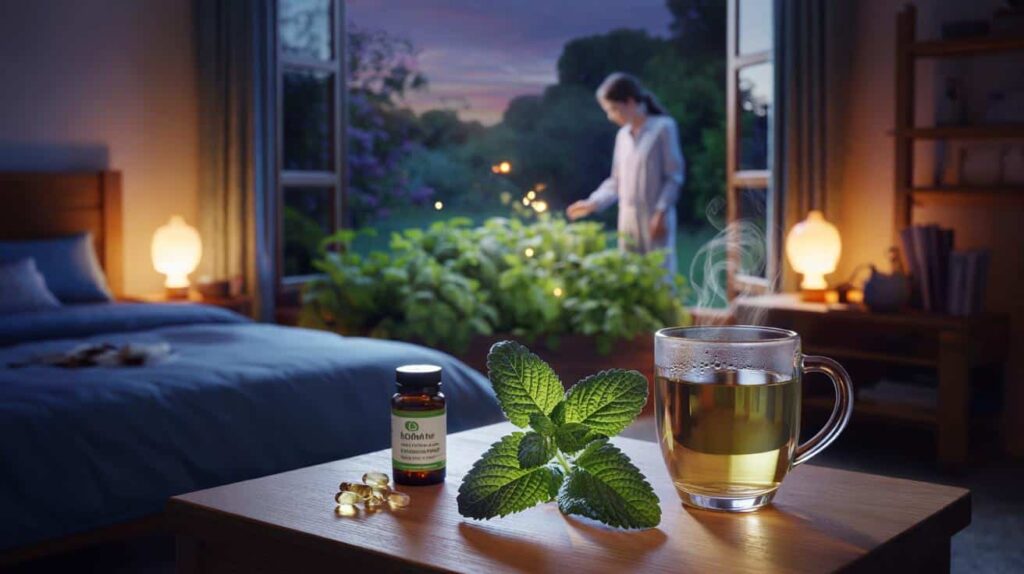
For those who prefer a gentler approach, pharmacists and herbal experts frequently recommend lemon balm infusion. One reference work on herbalism suggests one to two teaspoons of dried lemon balm per cup, up to three cups a day.
Many people choose to reserve at least one of those cups for the evening, as part of a wind-down routine that might also include reading or stretching. The warmth of the drink and the citrus-herb aroma add to the sense of ritual.
| Form | How it is used | Typical context |
|---|---|---|
| Capsule / tablet | Once or twice daily with water | People seeking a precise, easy dose |
| Herbal infusion | Dried leaves steeped 5–10 minutes | Evening relaxation ritual |
| Fresh leaves in food | Chopped into salads, desserts or drinks | Daily, low-level support and flavour |
In the kitchen and the garden
Fresh lemon balm is also used as a culinary herb. The leaves can brighten fruit salads, sauces for fish, simple syrups for cocktails or a jug of water on a hot day. While a salad is unlikely to deliver the same strength as a standardized extract, regular use still contributes small amounts of active compounds.
Gardeners value lemon balm for another reason: it attracts pollinators. Bees in particular love its small, nectar-rich flowers, which appear in late spring and summer. Planted near a patio, it offers both scent and wildlife value.
Safety, limits and who should be cautious
The study reported no serious side effects among the adults taking lemon balm extract for four weeks. Most previous research on the herb aligns with this, classing it as well tolerated when used in recommended amounts.
That said, “natural” does not mean risk-free for everyone. People taking sedative medications, thyroid drugs or treatments that affect brain chemistry should seek medical advice before adding strong herbal extracts.
Lemon balm looks promising as a gentle aid, but it is not a substitute for treatment of severe insomnia, depression or anxiety disorders.
Pregnant or breastfeeding women are often advised to keep doses low or avoid concentrated supplements, due to the lack of robust data in these groups. Children should only take herbal preparations under professional guidance.
What this means for your nightly routine
For adults dealing with occasional sleeplessness linked to stress, lemon balm could become one element in a broader strategy. That strategy might include regular wake times, less caffeine after lunch, dimmer lights before bed and screens kept out of the bedroom.
A realistic scenario looks like this: a person under mild work stress begins taking a daily lemon balm capsule and swaps their late-night coffee for a lemon balm tea. Over several weeks, they notice that falling asleep feels easier and that daytime rumination eases slightly. The change is subtle but meaningful.
Others may prefer growing a pot of lemon balm on a balcony, using the leaves in salads and teas, while working on deeper lifestyle changes. The plant itself becomes a physical reminder to slow down in the evening.
Understanding a few key terms
People reading supplement labels often meet unfamiliar words. “Rosmarinic acid”, mentioned in the research, is a compound found not only in lemon balm but also in rosemary and other herbs. Scientists are studying it for its potential to calm inflammation and support brain function.
“Standardized extract” is another term worth unpacking. It means the manufacturer has adjusted the preparation so each capsule contains a predictable amount of certain chemicals. That consistency matters in research and helps clinicians compare products.
Beyond one plant: combining gentle tools for better sleep
Lemon balm does not need to act alone. Many people pair it with other low-intensity approaches: mindful breathing, gentle yoga, or simply a strict cut-off time for email. Some herbal blends combine lemon balm with chamomile, passionflower or lavender, aiming for a complementary calming effect.
As with any change to sleep habits, the gains tend to appear slowly. A pot of tea or a capsule will not erase years of disrupted nights in a day or two. Yet the emerging science suggests that this humble, lemon-scented plant deserves a place in the conversation about safer, more sustainable ways to help a tired brain finally rest.