Baking soda hydrogen peroxide mixture: Household cleaning enthusiasts and DIY remedy seekers are buzzing about a powerful combination that’s gaining traction among experts. The simple mixture of baking soda and hydrogen peroxide is being increasingly recommended for a surprising variety of applications, from cleaning to personal care. This unassuming duo, found in most medicine cabinets and kitchen pantries, creates a potent solution that experts say can tackle tough stains, brighten surfaces, and even provide health benefits when used correctly. Recent research has uncovered just how versatile this combination can be.
Why Experts Are Recommending Baking Soda and Hydrogen Peroxide Mixtures
The growing recommendation for baking soda hydrogen peroxide mixtures stems from their impressive effectiveness coupled with their environmentally friendly profile. Unlike many commercial cleaning products that contain harsh chemicals, this natural combination offers powerful cleaning action without introducing toxins into your home. The chemical reaction between sodium bicarbonate (baking soda) and hydrogen peroxide creates an oxygen-rich foam that lifts stains and breaks down organic matter, making it particularly effective for tackling grime, mildew, and stubborn discoloration that other cleaners struggle to remove.
The Science Behind Baking Soda Hydrogen Peroxide Effectiveness
| Component | Chemical Formula | Primary Action | pH Level | Safety Profile |
|---|---|---|---|---|
| Baking Soda | NaHCO₃ | Alkaline buffer | 8.3 | Non-toxic |
| Hydrogen Peroxide | H₂O₂ | Oxidizing agent | 4.5 | Biodegradable |
| Combined Mixture | NaHCO₃ + H₂O₂ | Foaming cleaner | 7.0-8.0 | Environmentally friendly |
Surprising Household Uses for Baking Soda Hydrogen Peroxide Mixture
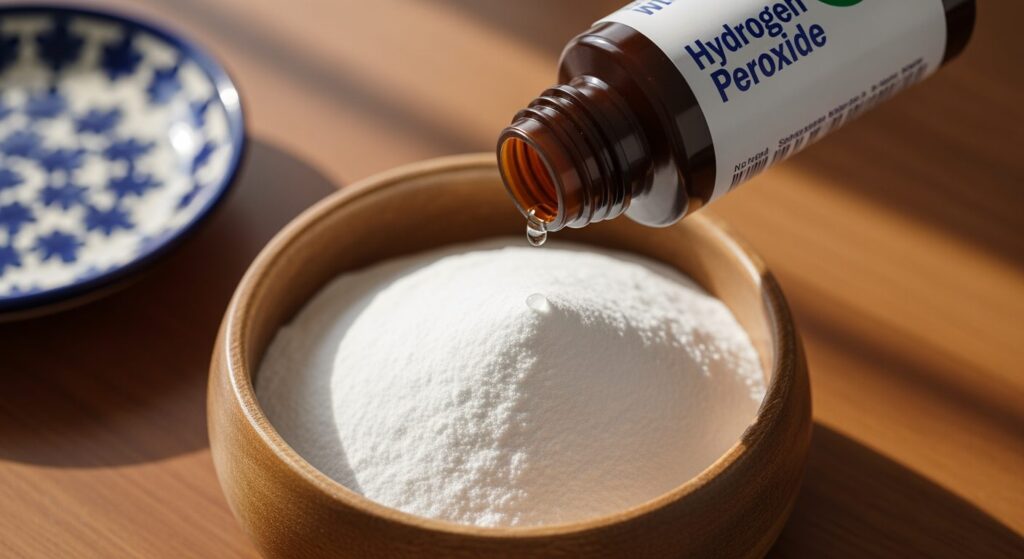
The versatility of the baking soda hydrogen peroxide mixture extends far beyond basic cleaning. Research has revealed that this dynamic duo can effectively tackle numerous household challenges that previously required specialized products. When combined in the right proportions, typically one part hydrogen peroxide (3% solution) to two parts baking soda, the resulting paste becomes a multi-purpose solution that works on surfaces ranging from bathroom tiles to kitchen appliances, and even on fabric stains.

- Bathroom tile grout restoration without harsh chemicals
- Kitchen sink and drain deodorizing and disinfecting
- Oven cleaning without toxic fumes
- Carpet stain removal for organic spills
- Whitening of yellowed plastic containers
- Mold and mildew removal from shower curtains
- Cleaning and brightening porcelain fixtures
Personal Care Applications of Baking Soda and Hydrogen Peroxide
Beyond household cleaning, the baking soda hydrogen peroxide mixture has gained attention for personal care applications. Experts note that when used appropriately and in moderation, this combination can provide benefits for oral hygiene and skin care. The gentle abrasiveness of baking soda combined with the bubbling action of hydrogen peroxide creates a mixture that can help remove surface stains and neutralize odors. However, professionals emphasize that concentration and frequency of use must be carefully controlled to avoid irritation.

The growing popularity of natural remedies has led many to explore this combination as an alternative to commercial products. Dental professionals have observed that occasional use of properly diluted mixtures can help remove surface stains on teeth, though they caution against frequent use which could potentially damage enamel. Similarly, dermatologists note that the mixture’s properties can help with certain skin concerns when used sparingly and appropriately diluted.
Many households are now incorporating this versatile mixture into their regular cleaning routines, appreciating both its effectiveness and affordability. A typical bottle of hydrogen peroxide costs under $2, while baking soda averages less than $1 per box, making this solution significantly more economical than specialized cleaning products. This cost-effectiveness, combined with increasing consumer interest in reducing chemical exposure in the home, has contributed to the mixture’s rising popularity.
Researchers continue to explore additional applications for this powerful combination. Recent studies have investigated its potential for removing pesticide residues from produce, with preliminary results suggesting it may be more effective than water alone. Other research has examined its efficacy in neutralizing certain household allergens, though experts emphasize that more comprehensive studies are needed before making definitive claims in these areas.
As with any cleaning or personal care solution, experts recommend testing the baking soda hydrogen peroxide mixture on a small, inconspicuous area first to ensure compatibility with the surface being treated. They also advise wearing gloves when using the mixture for extended cleaning sessions, as hydrogen peroxide can cause temporary skin whitening with prolonged exposure. Additionally, the mixture should always be made fresh before use, as its effectiveness diminishes over time once combined.
The renewed interest in this classic combination reflects a broader trend toward simpler, more transparent household solutions. As consumers become increasingly conscious of ingredient lists and environmental impact, many are returning to basic chemistry for effective alternatives. The baking soda hydrogen peroxide mixture represents a perfect example of how sometimes the most powerful solutions are also the simplest ones, hiding in plain sight in our kitchen cabinets and medicine chests.
 Hair Stops Growing Past a Certain Length With Age - Here’s How to Extend Your Terminal Length Safely
FAQs
Q: Is this mixture safe for all surfaces?
A: No, avoid on marble.
Q: How long does the mixture last?
A: Use immediately.
Q: Can it replace commercial cleaners?
A: Yes, for many uses.
Q: What’s the ideal mixing ratio?
A: 2:1 baking soda to peroxide.
Q: Can it damage skin?
A: Possibly with prolonged contact.