Condensation on windows isn’t just a cosmetic nuisance—it’s a sign of excess moisture trapped inside your home. It tends to appear when you seal up your house for the colder months, and if left unchecked, it can lead to mould growth, damage to walls and window frames, and trigger asthma or allergy symptoms.
What Causes Window Condensation When It’s Cold?
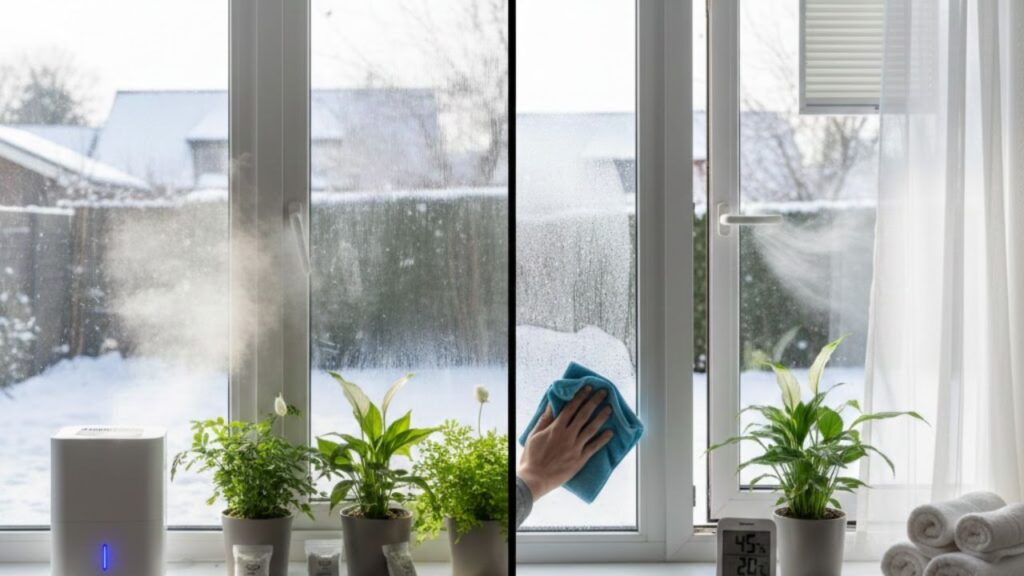
Condensation forms when warm, moist air comes into contact with a cold surface. Your windows are typically the coldest solid surfaces in a room. Indoor air always contains some level of water vapor, whether from breathing, cooking, drying clothes, or showering. Warm air can hold more moisture than cold air. When that warm, humid air hits the cold window pane, it cools rapidly, causing the moisture to condense into tiny droplets on the glass.
Any time you notice beads of water running down your windows, it’s a clear sign that there’s excess humidity with nowhere to escape. This moisture might seem harmless at first, but if left on the frames and sill day after day, it can soak into plaster, paint, sealant, and wood. These damp surfaces provide an ideal breeding ground for mould spores.
 Kiwi recognised by the European Union and the UK as the only fruit that improves bowel transit
Effective Ways to Prevent Condensation
The best way to prevent condensation and mould on windows is to reduce indoor humidity and increase ventilation. This can be achieved through daily routines of ventilation and targeted humidity control in each room.
 Baking soda becomes the unexpected remedy for wrinkles and dark circles say beauty specialists
Rather than wiping the glass every morning, focus on minimizing moisture buildup in the first place. Different strategies are required for areas like bedrooms, kitchens, and bathrooms where humidity levels tend to rise.
Key Anti-Condensation Habits
- Ventilate briefly but effectively every day, even during winter.
- Limit indoor moisture production, especially from cooking, showering, and drying laundry.
- Maintain stable room temperatures rather than allowing them to fluctuate drastically overnight.
- Contain steam in specific areas using doors, lids, and shower curtains.
- Quickly wipe visible condensation to prevent it from soaking into frames and walls.
Bedroom Windows: How to Manage Condensation
Condensation in the bedroom is particularly common during colder months. At night, we breathe out moisture for hours while under heavy duvets. However, many people turn the heating off completely to save money, causing the room temperature to drop sharply. This drop causes the air around the window to cool, pushing the moisture from your breath onto the glass.
What to Change in the Bedroom
- Lower the heating instead of turning it off completely, keeping the room at a steady temperature.
- Aerate the room briefly each morning by opening the window for 5–10 minutes to flush out moist air.
- Avoid drying clothes in the bedroom, as wet clothes release moisture into the air.
- Pull furniture slightly away from exterior walls to avoid creating cold, stagnant corners where condensation thrives.
The Kitchen: A Major Source of Moisture
The kitchen is one of the main culprits for indoor humidity, with boiling pans, simmering sauces, kettles, and dishwashers releasing steam into the air. Without proper ventilation, this warm vapor drifts towards the nearest cold surface—often the window above the sink.
How to Reduce Condensation in the Kitchen
- Use the cooker hood every time you cook, and let it run for several minutes afterward.
- Cover pans with lids to trap steam and reduce cooking time, which in turn lowers humidity.
- Open a window slightly during intense cooking to give moist air a place to escape.
- Close the kitchen door to contain the steam and prevent it from spreading to other rooms.
The Bathroom: Managing Steam After Showers
Bathrooms produce bursts of extreme humidity, especially during hot showers. The steam finds cold surfaces like windows and mirrors, causing condensation. A well-fitted shower curtain or glass screen helps keep steam contained in a smaller area, making it easier to extract and preventing it from reaching other rooms.
How to Tame Bathroom Steam
- Use an extractor fan before and during your shower, and leave it running for several minutes after you’re done.
- Ensure the shower curtain is fully drawn to prevent steam from escaping.
- Keep the bathroom door closed to trap moist air inside, allowing the fan or window to deal with it.
- Open the window after showering to help the moisture escape more quickly.
Why Wiping the Glass Isn’t Enough
Many people habitually wipe up window condensation each morning, but this only addresses the symptom, not the cause. Unless the air dries out, condensation and mould will keep coming back. Over time, hidden damage can occur, such as swollen or rotting wooden frames, deteriorating insulation, and mould behind curtains or blinds.

If condensation persists despite changes in daily habits, consider using a portable dehumidifier in the most affected rooms. It will draw moisture directly from the air and collect it in a tank, preventing it from settling on surfaces.
Understanding Mould and Health Risks
Mould releases microscopic spores that can irritate the lungs, eyes, and skin, especially for individuals with asthma, allergies, or underlying respiratory conditions. Young children and older adults are particularly vulnerable. Chronic dampness can also lower property value, raise heating costs, and damage paints, wallpapers, and woodwork.
Signs of a Condensation Problem
- Water on windows every morning indicates high indoor humidity and poor ventilation.
- Black spots on silicone or around frames are signs of mould feeding on persistent damp areas.
- Peeling wallpaper near windows suggests moisture soaking into walls and loosening adhesive.
- A musty smell in certain rooms indicates hidden mould growth or damp materials.
Everyday Scenarios: Simple Changes to Reduce Moisture
Consider a typical winter evening in a small flat: a family cooks dinner with several boiling pans, dries laundry in the living room, and takes hot showers one after another. The heating is turned off to save money, and by morning, the windows are dripping.
Simple changes—such as putting lids on pans, running the cooker hood, moving the laundry to a well-ventilated room, using the bathroom fan longer, and turning the heating down instead of off—can dramatically reduce the condensation and improve the comfort of your home.
Understanding Relative Humidity and Thermal Bridges
Relative humidity refers to how much moisture the air holds compared to the maximum it can hold at a specific temperature. When indoor humidity exceeds 60%, condensation becomes more likely. A thermal bridge is a point where heat escapes more easily, such as a poorly insulated window frame, creating cold patches where moisture collects.
Focusing on these factors allows for a more effective approach. By reducing humidity in key rooms and eliminating cold spots around windows, you can keep condensation and mould under control without relying on gadgets or one-off cleaning efforts.