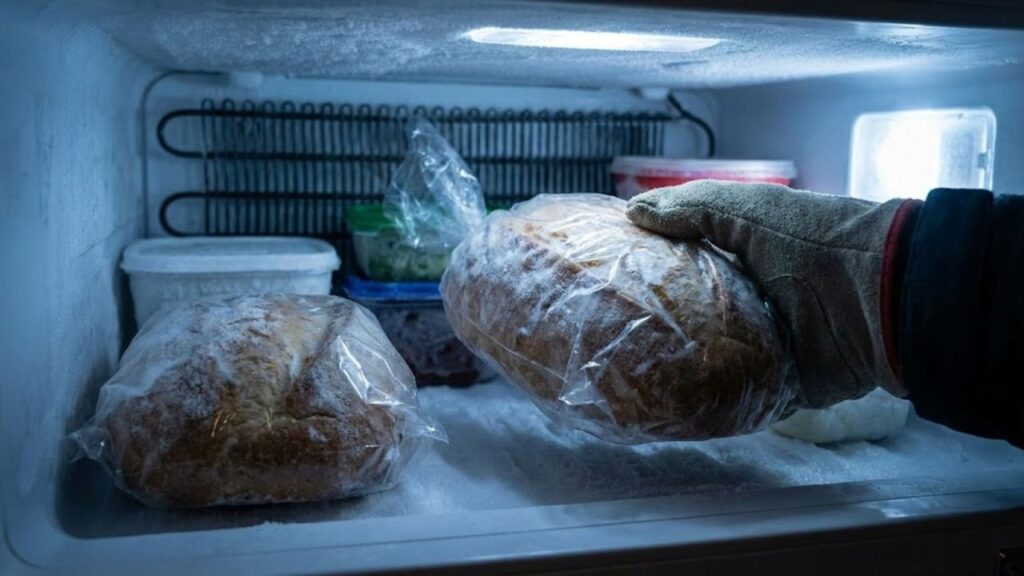
For many households, freezing bread is a convenient way to reduce waste and always have fresh toast available. However, the method of freezing and thawing can subtly affect the bread’s texture, flavor, and even how it impacts your blood sugar levels.
Why Freezing Bread Is So Popular Today
With rising food prices and less frequent grocery shopping, freezing bread has become a practical solution to avoid wasting a good loaf. You simply slice what you need, freeze the rest, and feel good about not throwing food away. This approach not only helps save money but also reduces food waste, making it an environmentally-friendly choice. For busy families, having frozen bread on hand means fewer trips to the store for emergency bread runs.
Freezing Bread: Safe and Smart, But With Limits
While freezing bread is generally safe, it’s important to consider how long it stays frozen and how it’s thawed. Bread retains its nutrients fairly well in cold storage, but its texture, flavor, and the way it affects your blood sugar can change over time.
The Effects of Freezing on Bread’s Texture and Flavor
Bread is a delicate mix of starch, water, gluten, and air. Freezing slows down its natural processes, but it doesn’t stop them entirely. Inside the loaf, changes continue, though they happen very slowly.
The Hidden Changes in Texture and Taste
When bread is frozen, the water inside forms ice crystals that gradually draw moisture away from the crumb. This results in bread that feels dry, with a rubbery or tough texture. The gluten structure, which gives bread its bounce, is also altered in the freezing process. When reheated, the bread may lose its springiness, and the crust can become tough while the interior turns spongy.
Flavour Loss During Freezing
As the bread freezes, aromatic compounds that give it its distinct flavor begin to fade or get trapped in the ice. The once nutty and warm scent of a baguette may transform into a bland, flat taste. While not harmful, the loss of flavor is often disappointing.
How Freezing Bread Affects Blood Sugar
Interestingly, freezing and reheating bread can alter its glycaemic index (GI), which measures how quickly it raises blood sugar. Studies suggest that freezing and reheating bread may increase the levels of resistant starch, which is digested more slowly. However, the way the bread is baked, frozen, and reheated – as well as the type of flour used – can all affect the GI.
Consistency Is Key for Blood Sugar Management
For people managing their blood sugar levels, like those with diabetes, it’s important to freeze similar types of bread and reheat them consistently. This will help you track how the bread affects your blood sugar and ensure you can manage your intake effectively.
How Long Should Bread Stay in the Freezer?
While frozen bread is safe to eat indefinitely if kept at a constant freezing temperature, its quality deteriorates over time. As a general rule, try to consume frozen bread within a month for optimal taste and texture.
Optimal Freezing Times for Different Breads
- Baguettes and crusty loaves: Best within 2–4 weeks
- Country or sourdough loaves: Can last 4–6 weeks
- Dense rye or wholegrain breads: Can last a bit longer
- Packaged supermarket sliced bread: Tolerates longer freezing, but may lose flavor and nutrition
If bread is kept for too long, even if it looks fine, it will become drier and tougher. If you need to store it for a longer period, use it for croutons, breadcrumbs, or stuffing, where texture is less important.
The Right Way to Freeze Bread
How you freeze your bread makes a big difference in how it turns out when thawed. Proper preparation and packaging are essential for maintaining its quality.
Prepare Bread Before Freezing
Allow bread to cool completely before freezing to avoid steam formation inside the packaging, which can damage the texture. Decide whether you want to freeze slices, half-loafs, or individual rolls. Once cooled, pack the bread tightly in proper freezer bags or wrap it in foil, then place it inside a second bag. Be sure to remove as much air as possible and label the bag with the type and date of the bread.
Portion Size Matters
It’s important to cut bread into smaller portions before freezing. This prevents the need to refreeze leftovers, which can further degrade quality. Bread should be consumed within the same day after thawing, as it can stale quickly. Portioning out individual slices or small sections helps prevent waste.
Why Thawing on the Counter Is a Mistake
One common mistake is letting frozen bread thaw at room temperature. While it may seem gentle, it actually causes moisture to evaporate from the bread’s surface, leading to a dry, tough crust and limp interior. For the best results, it’s better to thaw frozen bread using heat.
Thawing Methods for Different Types of Bread
| Type of Bread | Best Thawing Method | Approximate Time |
|---|---|---|
| Sliced Sandwich Bread | Straight into the toaster | 2–3 minutes |
| Half Baguette | Spritz with water, then oven | 5–8 minutes |
| Wholegrain Rolls | Oven or air fryer, wrapped in foil | 6–10 minutes |
| Artisan Sourdough Slice | Dry frying pan or griddle | 2–4 minutes |
Health Considerations: Choosing the Right Bread
Not all breads are created equal when it comes to nutrition. Ultra-processed white bread filled with sugar and additives won’t improve after freezing. When choosing bread to freeze, opt for options with high fiber and whole grains. These will retain their nutritional benefits better and support steadier energy levels after meals.
Creative Uses for Older Frozen Bread
If you find that your frozen bread has lost its ideal texture but is still safe to eat, don’t throw it away. There are plenty of creative ways to use it:
- Turn it into crunchy croutons with olive oil and herbs
- Make breadcrumbs for coating fish or vegetables
- Create a panzanella-style salad with tomatoes and vinaigrette
- Use it in a bread-and-butter pudding or savory strata
These dishes rely less on the perfect crumb and more on how the bread absorbs flavors, making freezing a part of a complete food cycle instead of just a stopgap.
Key Terms: Glycaemic Index and Resistant Starch
Terms like “glycaemic index” (GI) and “resistant starch” often come up when discussing bread and health. The GI measures how quickly a food raises blood sugar, while resistant starch acts like fiber by resisting digestion. Freezing and reheating can subtly affect these factors, although the effects vary by bread type. Simple habits, like favoring wholegrain loaves and pairing bread with protein and fat, can help manage blood sugar more effectively.
Conclusion: Freezing Bread with Care
Freezing bread is a great way to preserve it, but with a few small adjustments – like proper storage times, tight wrapping, portioning before freezing, and reheating instead of bench-thawing – your frozen bread can taste just as good as the fresh loaf you brought home.