Yet behind one everyday dish, a leading doctor sees a growing engine for cancer risk.
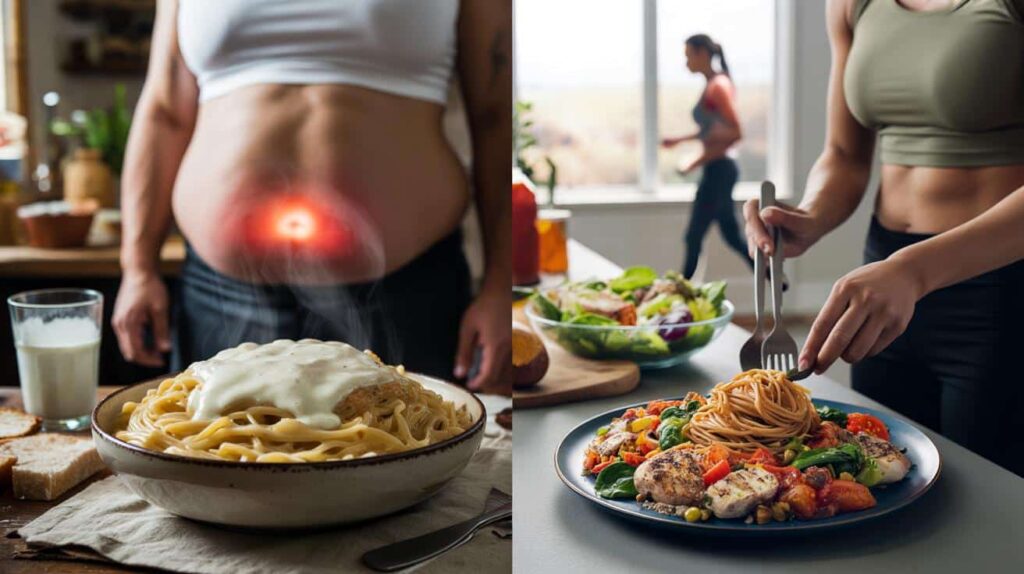
Across Europe and the US, this food is a weekly staple, a go‑to on busy evenings and the backbone of many family meals. A functional, cheap, and filling option — but one physician now warns that, in its refined form, it may quietly fuel a dangerous biological process linked to several major cancers.
Doctor sounds alarm on refined carbs and cancer risk
Functional medicine expert Dr Mark Hyman raised the issue in an interview with British outlet GB News, pointing directly at the way we eat and live.

“The two main drivers of cancer are diet and toxins,” he argues, pointing to modern ultra-processed foods and chemical exposure.

His concern focuses on refined sugars and starches, which appear almost everywhere in supermarket aisles. These ingredients are cheap, easy to cook with and often invisible to the person buying them. Yet they have a powerful effect on blood sugar, weight gain and long-term metabolic health.
One particularly beloved dish, he says, plays a bigger role than many realise: classic white pasta made from refined wheat flour.
Why white pasta is under fire
Pasta itself is not the villain. The issue lies in how the grain is processed. Most standard white pasta is made from flour where the outer layers of the wheat grain — rich in fibre and nutrients — are stripped away before milling.
This turns the product into a fast-absorbed starch, closer to sugar in the way the body handles it.
Refining wheat removes much of the fibre, vitamins, minerals and protective plant compounds the original grain contained.
Once eaten, this type of pasta is broken down quickly into glucose. That spike in blood sugar prompts the pancreas to release insulin, the hormone that helps move glucose into cells. Repeated, heavy spikes encourage the body to store more fat, especially around the abdomen and the liver.
Abdominal fat: “a real nest for cancers”
Dr Hyman highlights one specific consequence of this way of eating: the build-up of abdominal fat and the resulting insulin resistance.
“This belly fat? It’s a real nest for cancers,” he warns, linking it to breast, colon, prostate and pancreatic cancers.
Insulin resistance happens when cells gradually stop responding properly to insulin. The body copes by producing more of it, creating a state of chronically high insulin and blood sugar. That environment appears to support inflammation, cell damage and abnormal cell growth.
Several studies already associate central obesity — fat concentrated around the waist — with higher risk for multiple cancers. The mechanism is complex, involving hormones, chronic low-grade inflammation and changes in how cells use energy. Refined carbohydrates, frequent snacking and large portions all feed into this system.
How refined carbs feed the cycle
- White pasta and white bread raise blood sugar faster than whole grains.
- Frequent spikes in blood sugar trigger repeated insulin surges.
- Over time, this can lead to insulin resistance and more stored abdominal fat.
- Belly fat produces inflammatory molecules and alters hormone levels.
- This internal environment is strongly linked with higher cancer risk.
That is why Dr Hyman advises limiting refined pasta and other rapidly absorbed starches, especially as a daily habit.
What to eat instead of refined pasta
Swapping white pasta for alternatives does not mean abandoning comfort food. It comes down to changing the type of carbohydrate and the way the meal is composed.
| Common choice | Smarter swap | Why it helps |
|---|---|---|
| White pasta, large portion, creamy sauce | Wholemeal or lentil pasta, smaller portion, vegetable-rich sauce | More fibre, protein and micronutrients; slower effect on blood sugar |
| White pasta alone as main bulk of the meal | Half plate vegetables, quarter protein, quarter whole carbs | Reduces total starch load, improves fullness and metabolic response |
| White garlic bread on the side | Side salad with olive oil and seeds | Adds healthy fats and fibre; lowers overall glycaemic impact |
Protein and healthy fats — from fish, beans, eggs, nuts or olive oil — slow digestion and reduce the intensity of blood sugar peaks. That single adjustment can already shift the metabolic impact of a pasta dinner.
The second culprit: environmental toxins
Food is only one side of the story. Dr Hyman also points to the massive rise in synthetic chemicals used in modern life.
“We’ve been exposed to 80,000 new chemicals since the last century, and many of them have never undergone proper safety testing,” he notes.

These substances come from plastics, pesticides, flame retardants, cosmetics, cleaning products and industrial pollution. Some of them act as endocrine disruptors, interfering with hormones that regulate growth, reproduction and metabolism.
While science is still piecing together the full picture, several organisations already recognise certain chemicals as carcinogenic or likely carcinogenic. Combined with poor diet and inactivity, they may amplify cancer risk.
Small, realistic steps to reduce exposure
- Ventilate rooms regularly, especially after cleaning or painting.
- Limit use of strong fragranced products and aerosols.
- Prefer glass or stainless steel containers for hot foods and drinks.
- Wash new textiles before use to remove residues.
- Choose simple ingredient lists for cosmetics and household products when possible.
None of these actions eliminates risk, but together they can reduce the overall toxic load the body has to manage.
Exercise: an underestimated anti-cancer tool
The third pillar in Dr Hyman’s message is movement. While gyms and high-intensity workouts get most of the attention, he emphasises simple walking as one of the most effective habits.
“A half-hour walk, even after dinner, or just 15 to 20 minutes can lower your overall risk,” he says.
Regular physical activity improves insulin sensitivity, helps control weight and reduces systemic inflammation. It also affects sex hormones and immune function, both of which play roles in cancer development.
Sedentary lifestyles have become easier: remote work, streaming platforms and food delivered to the door all support long hours of sitting. That pattern quietly counteracts even a reasonably healthy diet.
Simple movement patterns that fit into daily life
- 10–15 minutes of brisk walking after lunch and dinner.
- Standing or walking phone calls during the workday.
- Using stairs instead of lifts for one or two floors.
- Short bodyweight routines — squats, push-ups against a wall, light stretching — between meetings.
These modest actions can be enough to break long sitting periods and support metabolic health, even before adding structured workouts.
Understanding key terms behind the warning
Two concepts sit at the heart of this warning: refined carbohydrates and insulin resistance.
Refined carbohydrates are grains or sugars that have been heavily processed, stripping away fibre and naturally occurring nutrients. White pasta, white bread, pastries, many breakfast cereals and sugary drinks all fall into this category. They tend to be soft, light in texture and quick to digest — and they are the main drivers of rapid blood sugar rises.
Insulin resistance develops slowly. At first, the pancreas simply pumps out more insulin to cope with frequent sugar surges. Over time, cells respond less, the system strains, and blood sugar levels creep upward. This stage often appears years before any diagnosis of type 2 diabetes, yet the metabolic disturbance is already in full swing.
What a lower-risk pasta night could look like
Imagine a typical weeknight: you get home tired, boil a big pot of white pasta, add a creamy sauce from a jar, and call it dinner. It fills everyone up, but it also delivers a large dose of fast starch with little fibre.
Now shift the same evening slightly. You cook wholewheat or chickpea pasta instead, use a tomato-based sauce loaded with onions, garlic, mushrooms and spinach, drizzle a bit of olive oil and add grated cheese sparingly. Half the plate is vegetables, a quarter is pasta, and the rest is grilled chicken or beans. After eating, you walk around the block for 15–20 minutes.
The meal still feels comforting and quick, but the metabolic outcome is entirely different: slower blood sugar rise, more nutrients, less abdominal fat storage over time and an extra boost from the post-dinner walk.
Why combinations matter more than single foods
Focusing on one food alone can be misleading. Cancer risk emerges from combinations: diet quality, weight, chemicals, stress, genetics and physical activity all interact. White pasta once a week in an otherwise balanced, active life is not the same as refined carbs at most meals, daily sitting marathons and minimal sleep.
Where this warning becomes most relevant is for people who already show early signs of metabolic strain: expanding waistline, high blood pressure, raised triglycerides or prediabetes. In those cases, trimming back refined starches, shifting to whole foods and adding even modest exercise may significantly change long-term risk trajectories.