In France and across many civil law systems, notaries play a central role in estate settlements. They inventory assets, handle tax formalities, and draft the deed that brings joint ownership to an end. When one heir deliberately refuses to cooperate, the process slows, tensions grow, and a crucial question emerges: can an estate move forward without every heir’s participation?
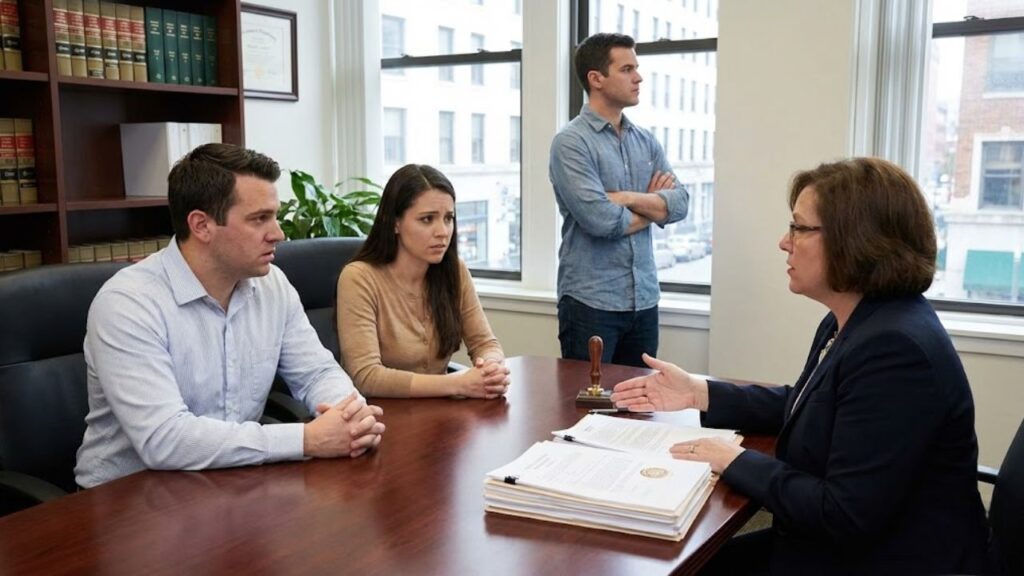
How One Heir’s Refusal Can Stall an Entire Estate
On paper, inheritance law appears structured and predictable. A death occurs, the notary lists assets and liabilities, heirs approve the figures, and the estate is divided. In practice, personal history and unresolved emotions often take over.
An heir who avoids the notary’s office usually has a motive. They may feel excluded from earlier decisions, distrust other family members, or wish to retain informal use of a property they occupy without paying rent. Whatever the reason, a single missing signature can leave an estate locked in joint ownership for years, while costs and tensions quietly escalate.

Typical Reasons Behind an Heir’s Refusal to Participate
- Disputes over valuations, where an heir believes assets were underestimated.
- Suspicions of hidden assets, such as undisclosed accounts, insurance policies, or prior gifts.
- Emotional attachment to property, often involving a family home.
- Concerns about inheritance tax and the inability to pay immediately.
- Long-standing family conflict resurfacing during the settlement.
- Avoidance behavior, where paperwork and emotional closure feel overwhelming.
Regardless of the motive, the effect is identical: the notary cannot secure unanimous consent for an amicable division. The estate remains in indivision, meaning joint ownership among all heirs.

Life Inside an Estate Held in Joint Ownership
Joint ownership is intended as a temporary phase. Each heir owns a share of every asset, proportionate to their rights. While this seems equitable, it quickly becomes impractical.
Major decisions often require unanimous agreement. If one heir refuses, a property cannot be sold, even when others need funds to cover taxes or debts. Meanwhile, expenses continue to accrue, including insurance, property tax, maintenance, and sometimes mortgage payments.
Tax deadlines increase pressure. In France, for example, the inheritance tax return is generally due within six months of death. Delays can lead to penalties and interest, harming cooperative heirs as much as the obstructive one.
How Outstanding Debts Make the Situation Worse
When an estate includes loans or unpaid bills, creditors expect timely repayment. If the estate is blocked, negotiations with banks or suppliers become difficult. The risk of legal action by creditors rises, adding financial strain to an already stressful period.
Can an Estate Progress Without the Non-Cooperating Heir?
The answer is yes, but only partially. The law distinguishes between acts that preserve assets, manage daily affairs, and divide the estate.
Protective Measures to Safeguard Assets
Conservatory acts are designed to prevent loss or damage. Any single heir may act alone, for example by arranging emergency repairs, paying essential bills, or renewing insurance. These actions preserve value without altering ownership rights.
Routine Management by Majority Decision
For ordinary administration, such as basic upkeep or renting out a property, heirs holding at least two-thirds of the ownership shares can usually decide. This prevents one person from blocking every routine choice and keeps the estate functional.
When Dialogue and Mediation Still Offer Solutions
Before turning to court, professionals encourage communication. Notaries often help ease tensions by clearly explaining figures, legal rules, and each heir’s rights. Many disputes stem from misunderstandings or unfounded fears.

If emotions remain high, a family mediator may intervene. This neutral professional facilitates discussion aimed at reaching a workable compromise, such as allowing one heir to buy out others or temporarily maintaining joint ownership under agreed rules.
What Happens When Negotiations Fail
If refusal continues and no agreement is reached, other heirs can apply for a judicial partition. A court then oversees the division of the estate.
The judge appoints a notary to identify assets and propose a division plan. In some cases, a succession representative is named to manage the estate temporarily. While this approach restarts the process, it adds time, legal costs, and often deepens family rifts.
Abusive Obstruction and the Risks for the Refusing Heir
An heir is entitled to question valuations and request explanations. Problems arise when behavior becomes clearly abusive, such as repeated last-minute cancellations, refusal to sign court-approved documents, or blocking essential maintenance.
In serious cases, co-heirs may seek compensation for losses caused by bad-faith obstruction. Courts can order the obstructing heir to reimburse financial harm linked to penalties, missed sales, or property deterioration.
Real-World Situations Families Commonly Encounter
Consider three siblings inheriting a house valued at €300,000. One lives abroad, one needs cash quickly, and one occupies the property and refuses any sale. Without agreement, the house remains jointly owned, while taxes and repairs continue.
If the stalemate persists, a court may authorize a sale, often by auction, with proceeds divided among heirs. Though harsh, this prevents indefinite deadlock.
In another scenario, an heir suspects financial concealment by a sibling who managed a parent’s finances. The notary can request bank records, reconstruct gift histories, and clarify findings. Avoiding meetings may weaken that heir’s position as others proceed through legal channels.
Essential Terms Every Heir Should Know
- Indivision: temporary joint ownership of estate assets before division.
- Conservatory act: urgent action taken to prevent loss or damage to an asset.
- Judicial partition: a court-supervised division imposed when heirs cannot agree.
Understanding these concepts makes it clear that one heir’s refusal does not freeze everything. Other heirs still have legal tools to protect assets, manage daily affairs, and, if necessary, ask a judge to resolve the impasse.
For families anticipating an inheritance, mapping out assets, estimating taxes, and considering potential blockages in advance can reveal vulnerabilities early and encourage discussion while cooperation is still possible.