She nudged it with her fork, sighed softly, and reached for her phone. Across the table, her partner bit into a darker, glossy floret pulled straight from the pan, its edges almost charred, and smiled. “Try this. It’s broccoli, but… not depressing.” For years, we’ve been told that steaming is the healthy, responsible way to cook vegetables. So we steam, eat obediently, and convince ourselves it’s fine. Quietly, though, nutrition experts and home cooks are rethinking that advice. A different approach is emerging—one that respects both flavour and nutrition.
Why It’s Time to Let Go of Steamed Broccoli
Think back to the last time you steamed broccoli out of obligation, not excitement. The kitchen fills with steam, the timer rings, and what’s left is broccoli that’s soft, slightly watery, and an almost aggressive shade of green. You eat it because you’re supposed to, not because you want to. That’s where the quiet rebellion begins. People crave food that feels alive, not punitive. Broccoli can be smoky, nutty, even gently sweet, yet the steamer basket often strips away that character. While steaming may protect some vitamins, it often removes the pleasure that makes you reach for broccoli again.
Flavour, Frequency, and the Science Behind It
In everyday kitchens, the shift is already happening. Many cooks now roast or stir-fry broccoli instead, and the results are telling. Short bursts of high heat with minimal water can preserve antioxidants at levels similar to steaming, while dramatically improving taste. That matters more than it sounds. If broccoli tastes better, people eat more of it. And eating a generous portion of well-seasoned, roasted broccoli may deliver more overall nutrients than leaving half a plate of steamed florets untouched. Broccoli’s key compound, sulforaphane, actually forms best with shorter, drier cooking methods rather than long, wet ones.
 Brushing Wet Hair With a Plastic Comb Can Trigger Breakage and Long-Term Thinning, Stylists Warn
The Sweet Spot: Hot, Fast, and Nearly Dry
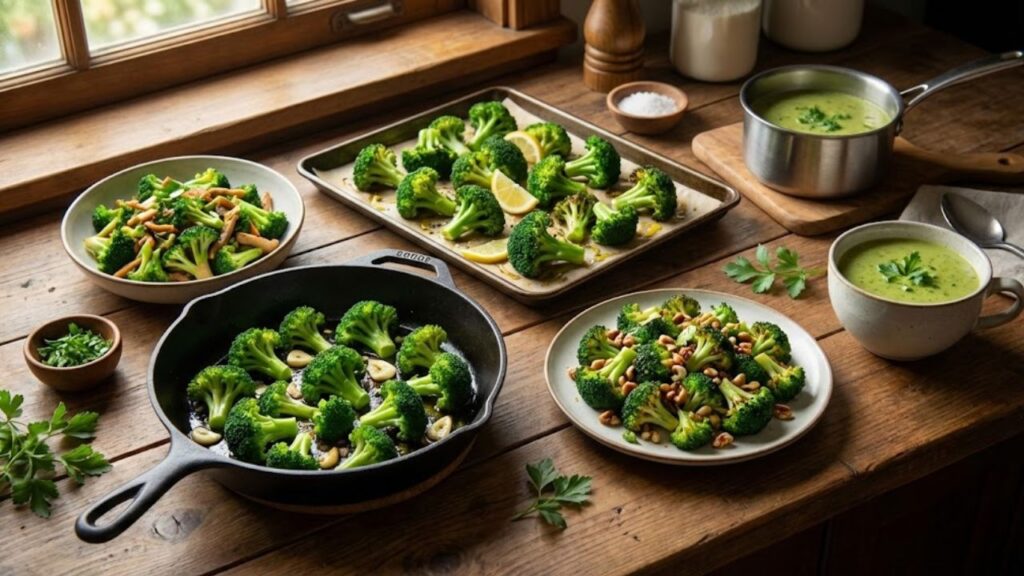
The most reliable way to cook broccoli is surprisingly simple: high heat, short time, and very little water. Roasting, pan-searing, or air-frying all fit the bill. Toss evenly cut florets with olive oil and a pinch of salt, then cook until the edges darken and the stems turn just tender. At around 220°C (425°F) for 15–18 minutes, roasted broccoli stays vibrant while developing crisp, caramelised tips. Stir-frying works just as well—just a few minutes in a hot pan, finished with lemon or seasoning off the heat.

Cooking Without Overthinking It
Broccoli often suffers because it’s overcooked during busy evenings. The difference between crisp-tender and dull mush can be just a few minutes. Instead of fixating on technique, cook visually. When the florets deepen in colour and show a hint of char, they’re ready. Even better, this method is forgiving. Slightly underdone broccoli can be reused in salads; slightly overdone pieces can be blended into dips or spreads. It’s not failure—it’s flexibility.
 This Simple Way of Tucking Hair Behind Ears Can Open the Face and Sharpen Cheekbones Instantly
Simple Recipes That Get Broccoli Eaten
The most successful broccoli dishes share a pattern: they’re fast, repeatable, and full of flavour. Sheet-pan broccoli with chickpeas, onions, and spices turns into a satisfying meal with minimal effort. Broccoli tacos—lightly charred and dressed with lime and spices—pull the vegetable into the spotlight instead of leaving it on the side. Even soups benefit from this approach, with roasted broccoli blended into a smooth, comforting bowl that keeps both flavour and nutrients intact.
Small Tweaks With Real Impact
For those who want to quietly maximise nutrition, tiny habits help. Adding a bit of raw, finely chopped broccoli to cooked dishes supports sulforaphane formation. A sprinkle of mustard or mustard seeds does the same. These changes don’t complicate cooking—they simply enhance what’s already there.
Redefining the Way We Think About Broccoli
Saying goodbye to steaming isn’t about banning a technique. It’s about ending the idea that broccoli must feel like discipline. With bold seasoning, high heat, and minimal water, broccoli becomes something people actually look forward to. The real question isn’t how many nutrients survive cooking—it’s how often broccoli appears on the plate and how much pleasure it brings. When it stops feeling like a rule and starts feeling like a treat, eating better becomes easier, not harder.
 Menopause Can Change Hair Texture Fast - Here Are Ingredients Experts Say You Should Avoid
- High-heat, short-time cooking: Roasting or stir-frying preserves nutrients while boosting flavour.
- Simple, repeatable recipes: Quick tray bakes and pan dishes make broccoli a regular choice.
- Nutrient-smart additions: Small amounts of raw broccoli or mustard subtly enhance health benefits.