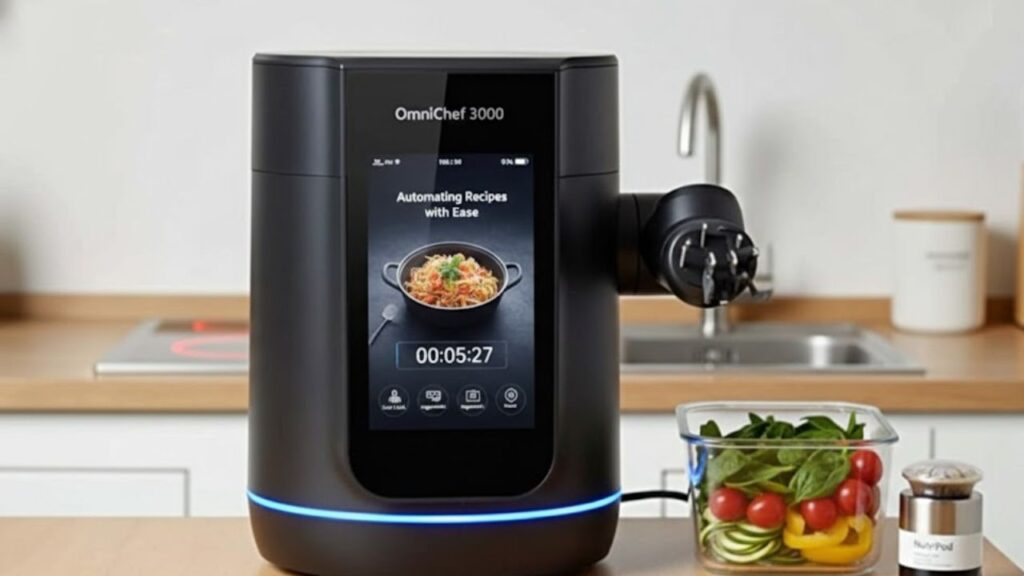
In its place now sits a glossy, Wi-Fi-connected smart cooker, softly humming and promising to sauté, stew, steam, and somehow make decisions on your behalf. At the kitchen table, a teenage daughter scrolls through TikTok recipes while her father insists the new device has ruined his mother’s legendary stew. The mother studies the app, impressed by slogans like “zero stress”, “no guesswork”, and “fully automated recipes.”
What no one agrees on anymore is how dinner should taste — or who is really in control. The person cooking, or the algorithm guiding every step.
From Whistling Valves to Silent Screens
The first thing people mention isn’t flavour. It’s sound. The sharp hiss of steam, the rattling lid, the noise that once sent children peeking around doors and elders calling out safety warnings. The classic pressure cooker carried a constant edge of tension, mirroring the pace of households that relied on it for decades.

Today’s smart multi-cooker sits quietly on the counter, lights pulsing like a small spaceship. No screaming valve. No guessing how many whistles are enough. Just presets labeled “Hearty Stew” or “One-Pot Pasta.” The fear hasn’t disappeared; it has shifted — now living in the worry of pressing the wrong button.

One Appliance, Three Generations
Ask around and the stories sound familiar. A grandmother passes down her heavy, scratched pressure cooker along with unwritten rules learned by heart. A daughter buys a smart cooker during a sale, convinced by reviews promising it will “change her life.” A son moves out and learns to cook from YouTube chefs who swear by one-pot meals.
Online, side-by-side photos circulate: a chickpea stew cooked for forty minutes on gas versus the app-timed version. Some praise the smart dish for its consistency. Others claim the old method adds something no sensor can calculate — a stubborn kind of soul. Beneath the debate, it’s never just about food.
Why Automation Feels So Tempting
The smart cooker answers a very modern problem: mental load in the kitchen. Few people want to hover over a pot, watching, smelling, and guessing. Brands sell the idea of relief — add ingredients, tap a screen, walk away. In homes filled with homework, late meetings, and constant notifications, the appeal is obvious. The machine doesn’t only cook; it offers to think instead.
The enthusiasm isn’t baseless. Sensors regulate heat more precisely than most people ever did. Timers don’t forget. Built-in recipes reduce the risk of burning dinner while answering emails or helping with schoolwork. Yet as decisions move from human to machine, arguments about taste, texture, and “real cooking” grow louder.
How Recipe Automation Really Works at Home
Marketing promises total automation. Real life rarely follows instructions perfectly. On a typical evening, frozen vegetables replace fresh ones, lentils stand in for chicken, onions are chopped larger to save time. A preset is selected, and everyone hopes the cooker adapts without protest.
Success rarely comes from blind trust. It comes from understanding a few basics: pressure level, cooking time, and liquid. Families tweak default settings once they learn their own preferences. Shorter times for firmer vegetables. Extra stock for pasta that tends to dry out. Over time, the device feels less like a boss and more like a quiet assistant.
 Never Cut a Child’s Bangs While Hair Is Wet - The “Shrinkage” Effect Can Make Them Way Too Short
Learning Through Small Failures
Frustration appears when people expect magic. Rice sticks. Meat turns stringy. Blame falls on the app, the brand, or the cook. In reality, very few people follow recipes perfectly every day. The meals that last are the forgiving ones — recipes that survive substitutions and still feel “good enough” on a busy night.
The same mistakes repeat everywhere: overfilling the pot, ignoring the max line, adding dairy too early, assuming the “Rice” button works for every grain. These moments aren’t proof of failure. They’re part of translating a technical device into everyday family life.
Emotions Hidden Inside Kitchen Technology
“My mother trusted her ear and her nose,” says Anita, 42, who replaced her old cooker after a valve scare. “I trust the beep, but I still trust myself when the recipe says 25 minutes and I know 18 is enough for us.”
Behind debates about smart cookers lie quiet emotional questions. Who defines proper food? Do shortcuts mean caring less? Can an app compete with a stained handwritten recipe passed down for years? These machines are not just appliances. They are negotiations about identity, comfort, and control.
Practical Ways Families Find Balance
- Set one or two family default programs and refine them over time.
- Keep a traditional pressure cooker for a few iconic dishes if it preserves harmony.
- Rely on automation most on chaotic evenings when decision-making feels hardest.
A New Kind of Debate Around Dinner
These devices reshape conversations at the table. Families don’t only argue about who cooks, but how much authority to give a machine. Teenagers may love the safety and guidance. Grandparents may feel their instincts pushed aside by preset modes.
Responsibility shifts as well. With a classic cooker, failure belongs to the cook. With a smart one, the first accusation is often “the program is wrong.” That shift can be comforting, but also disappointing when expectations fall short. Somewhere between full trust and full rejection lies a more honest balance.
What This Shift Really Means
- Smart vs. classic pressure cooking: Fear moves from explosions to wrong settings, changing how kitchens feel.
- Automation as mental relief: Presets reduce decision fatigue but reopen debates about authenticity.
- Finding balance: Adjusting defaults and sharing responsibility helps technology serve the family, not replace it.
The conversation is far from over. Some households will keep their metal pots until parts can’t be replaced. Others will never listen to a whistling lid again. Between those choices, families will stand tonight in front of a glowing screen, deciding how much of dinner — and tradition — they’re willing to hand over.