At street level, this gradual disappearance often goes unnoticed. Block by block, satellite by satellite, old signboards replaced by glowing LED panels, the line between night and day is being quietly redrawn. The change is subtle, but constant, and it raises a lingering question that hangs overhead like a fading constellation.
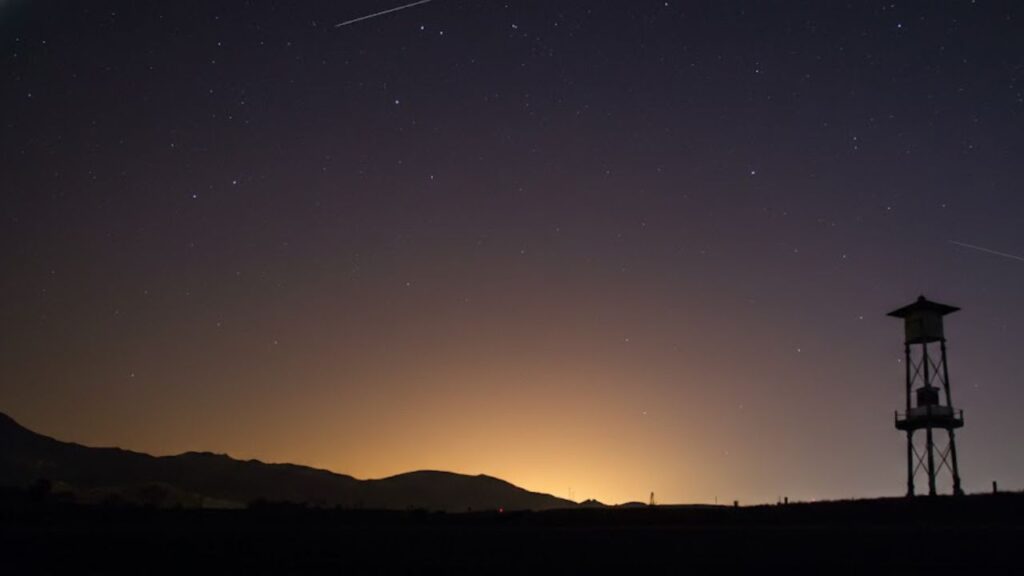
When darkness never fully settles
Step outside in almost any city at 2 a.m., and something feels off. The light is no longer warm or flickering, but cold, uniform, and flattening. The sky turns a dull orange or grey instead of deep black, and shadows lose their depth. Although the city appears awake, our bodies still remember older rhythms. For most of human history, darkness meant slowing down and resting. Today, overhead LEDs keep telling the brain it is daytime long after midnight, leading to sleep that feels incomplete and mornings that arrive without real refreshment.
A sky many have never truly seen
Think about the last time you clearly saw the Milky Way. For many people under 30, the honest answer is never. Astronomers describe a phenomenon called skyglow, a dome of scattered light hovering above towns and cities. It stretches far beyond urban borders, reaching into areas still considered rural. In Europe and North America, researchers estimate that nearly 80% of people live beneath skies affected by light pollution. Satellite images confirm that this glow grows brighter and wider each year as cities expand and replace older lamps with intense blue-white LEDs.

Satellites, science, and a crowded sky
Looking higher reveals another layer of change. Thousands of satellites now leave faint streaks across the night sky. Long-exposure images that once captured untouched starlight are now cut by bright trails. This affects more than the romance of stargazing. Observatory data is increasingly contaminated, making faint galaxies and distant asteroids harder to detect within this human-made grid of light.
 Goodbye Hair Dye for Grey Hair: The Conditioner Add-In That Gradually Restores Natural Colour
What artificial light does to bodies and ecosystems
Human circadian rhythms evolved with bright days and genuinely dark nights. When light intrudes at the wrong hours, internal timing slips out of sync. Melatonin, the hormone that signals nighttime to the body, drops when blue-rich light reaches our eyes after sunset. Researchers link long-term night-time light exposure to disrupted sleep, metabolic issues, and increased risks of depression and anxiety. Wildlife responds just as sharply: migratory birds collide with illuminated buildings, and baby turtles follow hotel lights inland instead of the moon, often with fatal results.
Finding small ways to bring back the night
Reclaiming darkness can begin at home. Two hours before bed, shift your space into an evening mode. Switch off bright overhead LEDs and rely on low, warm lamps placed closer to the floor. Bulbs under 2700K offer a softer, amber tone similar to old incandescent light. Activate screen night modes early, not only once you are already in bed. If possible, keep one room dim after sunset so your nervous system repeatedly receives the signal that the day is winding down.
Progress, not perfection
The gap between ideal advice and real life is obvious. Perfect “digital sunsets” often collapse when you are standing in a brightly lit kitchen late at night, phone in hand. Instead of aiming for perfection, focus on small shifts. Even three calmer evenings a week help your body clock. Use blackout curtains or light-blocking blinds if street lamps shine into your bedroom. Where safety lighting is needed, choose a dim, warm night light rather than a harsh ceiling bulb.

Lighting streets with intention
On a wider scale, many so-called security lights exist out of habit rather than need. Motion sensors and downward-facing fixtures often provide the same sense of safety with far less glare. Well-aimed, warmer light is usually more effective than floods that blast into every window. Urban planners increasingly speak of darkness literacy—understanding where light is truly necessary and where it is not. This awareness can start at home and spread through neighbourhood discussions and community action.
When night becomes something to protect
Light pollution is not standing still; it is accelerating. Every new port, housing development, and satellite constellation adds another layer to the glow. Yet change is already visible in small pockets. Some towns in France, Spain, and the United States dim or switch off street lights during the quietest hours, reducing energy costs and revealing skies residents had forgotten. In some places, genuine darkness has become rare enough to market as a luxury through organised stargazing nights.
What we risk losing
A child born in a large city today may never see the Milky Way without travelling far, not because of clouds or the moon, but because of human light. This loss goes beyond aesthetics. Nocturnal ecosystems evolved around cycles of light and dark, not constant brightness. Fireflies disappear when background glow erases their signals, and insects circle lamps until exhaustion breaks fragile food chains. The sky itself is becoming crowded infrastructure, competing with stars for attention and quietly erasing shared cultural memory.
Choosing how we light the future
The real decision is not between lights on or off. It is whether we learn to use light with care, timing, and restraint, or continue flooding the night until it becomes flat and dull. Talking about the night sky, sharing memories of real darkness, and asking younger generations whether they have ever seen the Milky Way are small acts. Together, they remind us that night is not a problem to solve, but half of the rhythm humans and ecosystems were built to follow.

Key points to remember
- Disappearing natural night: Cities, LEDs, and satellites are rapidly erasing truly dark skies, turning a global shift into everyday normality.
- Impact on body and mind: Night-time light disrupts circadian rhythms, sleep quality, and emotional balance.
- Practical ways to act: Warm lighting, blackout curtains, and thoughtful community lighting choices help protect and reclaim darkness.