
Press a button, hear a soft hum, eat in minutes. For years, that routine defined quick meals at home. But in many kitchens, that familiar sound is fading. Concerns about texture, lost nutrients, and the oddly rubbery taste of reheated food have sparked a quiet rethink. More households are now asking a simple question: is the microwave still necessary?
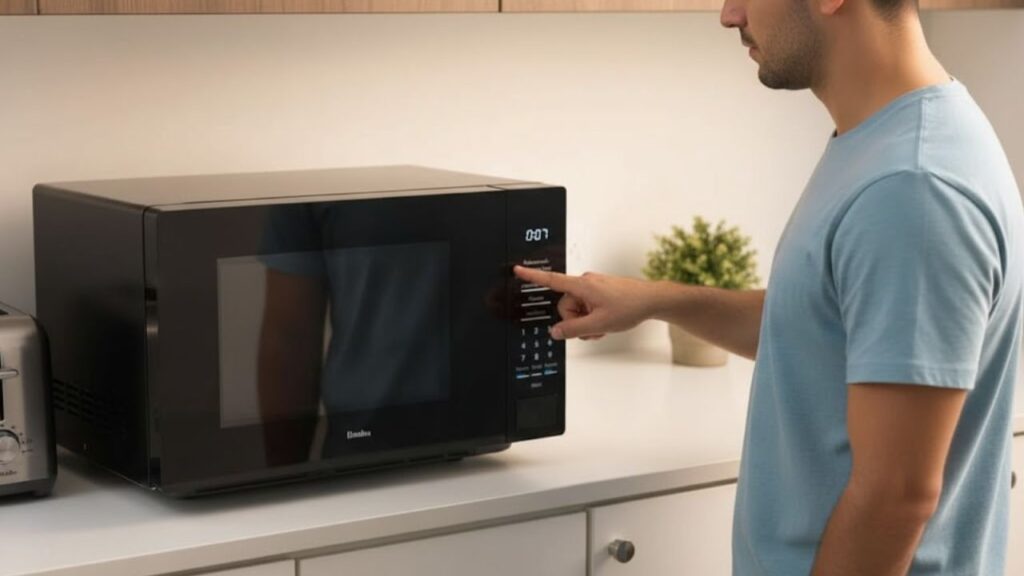
Across design blogs, TikTok kitchens, and compact city apartments, a different appliance is taking over counter space. It browns, crisps, reheats, and cooks straight from frozen—without turning meals into limp, steaming plates. At casual dinners, people talk about it with the enthusiasm usually reserved for new gadgets.
The microwave is quietly stepping aside. Another appliance has moved into the spotlight, reshaping how fast food is cooked at home.
 Goodbye to Grey Hair: The Simple Shampoo Add In Trick Promising Darker Healthier Hair Naturally
The countertop shift changing everyday cooking
I noticed it one Tuesday evening at a friend’s apartment after work. No elaborate meal, just tired adults and a bag of frozen gnocchi. Instead of a microwave, a solid silver oven with a glass door glowed warmly on the counter. Inside, the gnocchi crackled as if they were on a real pan.

After 12 minutes, they emerged golden and blistered, with crisp edges and no soggy spots. No uneven hot-and-cold bites. My friend shrugged and said they had almost stopped using their microwave after buying an air fryer–oven combo.
That moment felt like a glimpse of weekday cooking’s next phase.
This experience mirrors a broader trend. A 2023 US consumer survey showed that around 60% of households own an air fryer, many opting for models that combine air frying with mini-oven features. Search data reveals “air fryer recipes” outpacing “microwave recipes” across several English-speaking countries. In large stores, microwave sections look unchanged, while multifunction air fryers keep multiplying.
Foods once destined for the microwave now go straight into the air fryer. Frozen nuggets, leftover pizza, even last night’s vegetables get reheated with a drizzle of oil. The mindset has flipped: microwaved food feels like a compromise, crisped food feels like a win.
We’ve moved from “heat it fast” to “heat it fast, but make it feel cooked.” The science is simple. Microwaves heat water molecules inside food, often creating steam and rubbery textures. Air fryers and compact convection ovens circulate very hot air around the surface, drying and browning it.
That’s why many people say the food tastes better. You get browning and crisp edges instead of damp softness. Rising energy costs also make smaller ovens appealing, as they heat food without warming the entire kitchen.
Living without a microwave without regret
If ditching the microwave sounds tempting, the first step isn’t getting rid of it overnight. It’s choosing the right alternative. For most households, that means a medium-sized air fryer–convection oven with a front door, rather than a small basket-only model. The goal is an appliance that can reheat, bake, toast, and crisp with minimal effort.
Start with leftovers. Set the oven to 170–180°C (340–360°F), spread food in a thin layer, and add a teaspoon of oil if needed. Stir or shake halfway through. Pasta bakes regain a crust, fries taste like fries again, and roasted vegetables feel revived. It takes a few extra minutes, but the quality difference is obvious.

Once that habit forms, the microwave naturally gets less use.
On a practical level, moving away from the microwave means adjusting expectations. It’s not about slow cooking—it’s about tiny timing shifts. Start reheating as you walk in, defrost bread while changing clothes, or warm soup on the stove during a short break. On busy evenings, good enough is enough.
Some mistakes are common. Overcrowding prevents air circulation and leads to limp food. Using one temperature for everything is another. Moist dishes, like lasagna, do better at a lower temperature for longer so the centre heats evenly. And yes, the microwave still wins for a few tasks: melting chocolate quickly, softening butter, or steaming vegetables in seconds.
There’s also an emotional side. That familiar hum feels reassuring on rushed mornings. Letting it go is as much about daily rhythm as it is about appliances.
“When our microwave broke, we expected chaos,” says Laura, a 39-year-old teacher and parent of two. “We bought a small air fryer-oven because it was cheaper. After three months, we realised we didn’t miss the microwave at all—except when melting butter.”
Small adjustments ease the transition. Batch-cook grains or roasted vegetables and revive them through the week. Freeze sliced bread and toast it straight from frozen. Keep a mental list of quick wins that go from frozen to plate in under 15 minutes.
- Use pre-cut vegetables and pre-cooked grains when time is tight.
- Keep emergency meals that cook straight from frozen.
- Reheat pizza and fries in the air fryer, not the microwave.
- Accept simple dinners—crisped leftovers still count.
What really changes when the microwave disappears
When that familiar beep is gone, something subtle shifts. Meals slow down by a few minutes, and those minutes matter. You hear the fan, smell food browning, and check progress visually instead of trusting a timer. It’s still fast food, but with a touch more attention.
Many people know the frustration of a plate that’s boiling at the edges and cold in the middle. That inconsistency erodes trust. When food browns and crisps, the brain reads it as properly cooked, not just reheated. Leftovers feel intentional rather than second-best.
Soyons honnêtes : personne ne fait vraiment ça tous les jours. No one is roasting elaborate meals on a hectic Tuesday. The appeal of multifunction air fryers and mini-ovens is that they make everyday food taste better without demanding more effort. Yesterday’s sweet potatoes go in, a button gets pressed, and the result is something the microwave simply couldn’t deliver.

Why this switch matters for everyday kitchens
- Crispier reheated leftovers: Circulating hot air restores crunch to pizza, fries, and roasted foods, making leftovers feel satisfying instead of soggy.
- Lower energy impact in small spaces: Compact convection units often use less power than full ovens and avoid overheating small kitchens.
- Fewer appliances, less clutter: One combo unit can toast, bake, roast, air fry, and reheat, reducing the need for multiple gadgets.
