
The first time I watched a neighbor slide a tomato plant into the ground, I winced. He tugged it from its plastic pot, roots dangling like frayed nerves, then plunked it into a dry hole. Two days later, the leaves drooped, edges crisping, the plant looking like it regretted ever leaving the nursery.
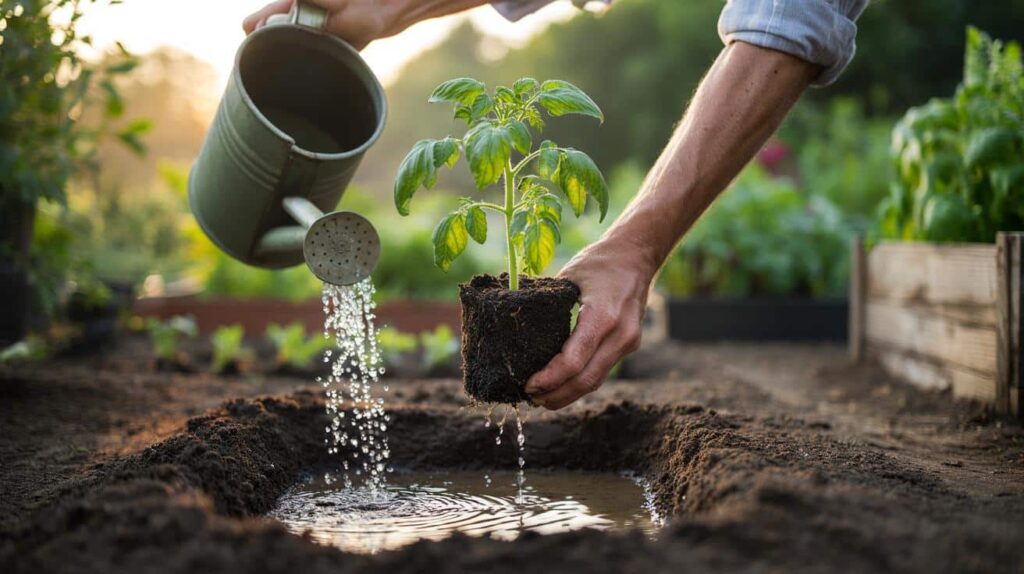
Meanwhile, three meters away, an older gardener was doing something completely different. She wasn’t rushing, wasn’t yanking. She cradled each plant, watered the hole first, then held the stem between her fingers as if it were a fragile bird. A week later, her tomatoes looked like they’d always belonged there.
Same soil. Same sun. Totally different outcome.

The quiet difference? One simple, gentle habit.
 According To Psychology, People Who Talk To Their Pets Like Humans Often Share These 8 Traits
The soft landing your plants secretly need
Transplant shock is that heartbreaking moment when your proud little seedling collapses after you’ve given it “a better spot.” The leaves droop, the plant stops growing, sometimes it just gives up. On paper, you did everything right. New pot, fresh soil, decent watering.
Yet the plant reads the whole thing as an earthquake. Its roots go from a familiar, tight little home to a big, strange world. Temperature, humidity, light — all changed in a day. For a living organism that can’t run away, that’s a full-body panic.
There is one habit that softens the blow like a mattress under a falling glass.
Picture this. Two friends buy the same tray of basil from a garden center. One goes home, digs, plants, waters once, and walks away. The other does something that looks almost old-fashioned: the evening before transplanting, she waters the seedlings deeply, then sets them outside in the shade for a couple of hours.
The next day, she digs wide holes, waters each hole until the soil turns dark and glossy, then waits a minute before slipping the basil in. After planting, she gently presses the soil and waters again with a slow trickle, not a harsh spray.
A week later, her basil is standing straight, leaves glossy, already pushing new growth. Her friend’s? Half of it is sulking. Some stems are yellowing. The flavor will recover, maybe, but the plant has lost precious time.
The gentle habit that changes everything is simple: pre-watering and slow, deep soaking before and after you transplant. Not just “a bit of water.” A deliberate, quiet moment where the soil and the plant adjust together.
When the planting hole is already moist, tiny roots slide into a welcoming environment instead of scraping against dry dust. When you water again slowly after planting, you’re not “topping up” — you’re knitting soil and roots together, removing air pockets that can dry them out.
*Roots read water as safety.* It tells them, “You can stretch. You can explore. You won’t dry out if you move.” That single signal reduces stress more than any fancy fertilizer ever will.
The gentle watering ritual that calms stressed roots
Here’s the method many experienced gardeners use, often without even naming it. A day before transplanting, water your seedlings so the root ball is evenly moist, not soggy. This means the plant won’t arrive at its new home already thirsty.
When you’re ready to plant, dig a hole wider and a bit deeper than the pot. Fill that hole with water and let it soak in until the shine disappears and the soil looks dark and cool. Then, place the plant in, adjusting the height so the root ball sits level with or slightly below the surface.

Once the plant is in place, gently backfill, press lightly with your fingers, then water again slowly at the base. Think of it as tucking the plant into bed.
A common mistake is to rush this part like you’re on a gardening speedrun. Quick plant, splash of water, next. The plant survives, most of the time, which tricks us into thinking the method was fine. Then we wonder why growth stalls for two weeks.
Another trap is blasting the new transplant with a strong hose spray. The force compacts the top layer of soil, sometimes even exposes roots or leans the plant sideways. It’s stressful, and the plant shows it with curled or droopy leaves.
Let’s be honest: nobody really does this every single day. But for transplant day, your plant deserves that slow, unhurried watering. That’s the day its whole life changes.
You don’t need gadgets, expensive products, or mystical potions for this habit. You need a watering can with a soft rose, or a hose set to a gentle shower, and a bit of patience.
Many seasoned gardeners swear that this deep, calm watering is what separates “lucky” transplants from reliable success. One of them told me, standing over a bed of thriving peppers:
“People think plants die from bad luck. Most of the time, they die from a harsh welcome.”
This “soft landing” isn’t just poetic; it’s practical. To lock it in, you can follow this simple mental checklist:
- Water seedlings well the day before moving them
- Pre-wet each planting hole until the soil turns dark
- Set the plant in gently, without yanking at the stem
- Backfill lightly, then press the soil with your fingers
- Finish with a slow, deep soak at the base, not on the leaves
Each tiny step is like telling the plant, quietly: you’re safe here now.
A different way to think about “helping” your plants
Once you notice how plants react to a gentle transplant, you start seeing the garden differently. Instead of “getting jobs done,” you’re hosting arrivals. Each move from pot to ground becomes less of a technical task and more of a small, living negotiation.
You can still experiment with varieties, layouts, companion planting. The structure of your beds, the color of your pots, all of that matters in its own way. Yet this slow watering ritual sits underneath everything, like a soft baseline rhythm. It doesn’t shout, but it holds the song together.
We’ve all been there, that moment when a prized seedling flops over and you feel oddly guilty, as if you’d broken a promise. This one habit doesn’t erase every risk — heat waves still happen, pests still visit — but it cuts down on those silent little losses that used to feel “inevitable.”
Next time you head out with a tray of young plants, you might notice your own pace changing. The hole will be a bit wider. The water will run a little longer. And maybe, a week later, you’ll walk past your beds and realize your plants don’t look like newcomers at all. They’ll look like they were always meant to be there, roots quietly unknotting in the cool, dark soil.

| Key point | Detail | Value for the reader |
|---|---|---|
| Pre-watering the planting hole | Soak the hole until soil is evenly moist before setting the plant | Reduces transplant shock by offering an immediate, stable water supply |
| Slow, deep watering after planting | Gentle stream at the base for several seconds per plant | Eliminates air pockets and helps roots bond with surrounding soil |
| Moist root ball before the move | Water seedlings the day before transplanting | Prevents extra stress from going into dry soil already dehydrated |
FAQ:
- How much should I water right after transplanting?Water until the soil around the plant feels evenly moist and slightly heavy, not soupy. For most garden plants, that’s a slow count of 10–20 seconds at the base.
- Is it better to transplant in the morning or evening?Evening is usually gentler, as sun and wind are softer and the plant has the night to settle before facing full daylight.
- Do I need special products to reduce transplant shock?Not usually. Consistent moisture, good soil contact, and gentle handling do more than most commercial “rescue” products.
- How long does transplant shock last?For healthy plants moved with care, visible shock lasts a few days. Growth may pause for up to two weeks, then resume once roots expand.
- Should I fertilize right after transplanting?Use mild, diluted feed if needed, but avoid strong fertilizers on day one. Focus on water and root comfort first; nutrients can follow once the plant is settled.
