
Boarding almost always unfolds the same way. A slow shuffle down the aisle, carry-ons bumping knees, someone awkwardly wrestling a winter coat in a warm terminal. You hand over your boarding pass on autopilot, already thinking about the movie lineup or hoping the middle seat stays empty. You barely glance at the crew.
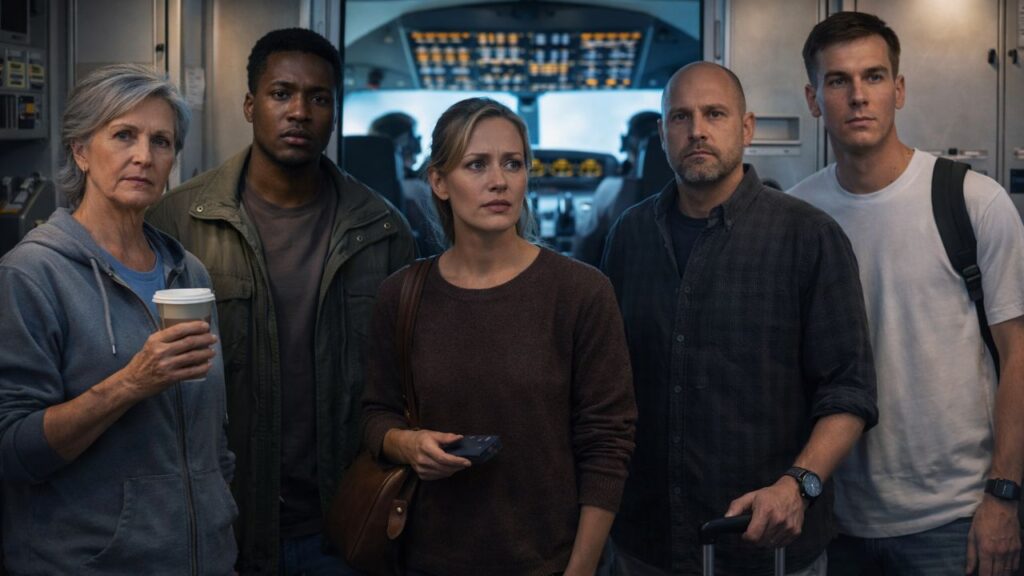
But the crew is watching you. Quietly. Carefully. Intentionally. Almost like a calm scanner with flawless lipstick. They’re not judging your clothes or hairstyle. They’re reading subtle cues: how you move, where your eyes land, how you hold your bag.
1. They know if you’re anxious before you speak
Cabin crew can spot a nervous flyer almost instantly. It shows in tight shoulders, darting eyes, or a white-knuckle grip on a passport you no longer need. Some passengers walk in like they’re entering a café. Others look like they’re stepping into an MRI machine.
 A Powerful February Polar Vortex Disruption May Be Approaching and Experts Call It Unusually Strong
Flight attendants watch your breathing, your pace, and whether you hesitate at the door. They’re trained to notice who might need reassurance later, often before the seatbelt sign even comes on.
A former long-haul attendant once described a man flying to New York who seemed fine on paper: neat blazer, tidy carry-on, business-class seat. But as he boarded, she noticed his clenched jaw, tight lips, and a slight tremor in his hand. She greeted him normally and added softly, “If you feel nervous at any point, I’m right up there in galley one.”
Two hours later, during light turbulence, he rang the call bell. “How did you know?” he asked. She didn’t know. She simply read the signals.
With hundreds of passengers each week, patterns become obvious. The one who laughs too loudly at the greeting. The passenger who checks the flight map every two minutes. The quiet woman in 22A whose hands never relax. From the first step onboard, crew are quietly triaging: who might panic, who needs reassurance, and who will relax once the drinks cart appears.
2. They can predict carry-on trouble early
Long before overhead bins become battlegrounds, crew can tell if your bag will cause issues. The way you drag it, your posture, how the wheels clatter instead of glide all give it away. They know when a “small” bag is really a full-size suitcase in denial.
They also notice passengers scanning for bin space like hawks, already planning where to wedge their luggage.
Imagine a late, nearly full flight to Lisbon. A tired crowd boards. A teenager enters with a backpack and a slim trolley. Behind him, a man appears with two oversized rollers, a shopping bag, and a duty-free box. He walks fast, avoids eye contact, and swings the second bag out of reach. The attendant already knows how this will end.
Ten rows later, he’s blocking the aisle, insisting his second bag “always fits.” It doesn’t.
There’s a reason crew focus on luggage. Overhead bins are Tetris mixed with social tension. Space is limited, frustration spreads quickly, and delays often start with one argument. They scan early: who’s overpacked, who can’t lift their bag, and who will stash it five rows ahead and complain later.
They also notice the opposite. The traveler with a compact bag who steps aside, asks politely, and adapts easily. That person is quietly labeled “easy”.
3. They assess if you’re unwell, hungover, or wiped out
From the moment you board, crew perform a subtle health check. Not medical, but practical. Glassy eyes, pale or flushed skin, slow movements all stand out. They’re not being intrusive. They’re trying to prevent a medical situation at 38,000 feet, where options are limited.
They can often spot hangovers on early flights: sunglasses indoors, dry lips, a dull gray tone. They can tell who hasn’t slept and who might faint mid-boarding.
One attendant recalls a woman in her twenties boarding a long-haul flight to Asia. Oversized hoodie, messy bun, gripping a water bottle tightly. She wasn’t just tired. Her steps wobbled and her blinking was slow. The attendant paused her gently and asked, “Rough night or feeling unwell?” The answer was both.
She was quietly given a sick bag, a cool compress, and her seat number was noted. When she later felt faint and pressed the call button, the crew was ready.
Crew are trained to notice dehydration, dizziness, extreme anxiety, and signs of illness. They mentally flag who needs water, who shouldn’t drink alcohol, and who might need help later. They can’t diagnose you, but they can read your walk, skin tone, voice, and behavior in seconds. Preventing one person from collapsing can keep an entire cabin calm.

4. They can tell if you’ll follow rules or test limits
It starts with the greeting. How you respond to “Good morning” reveals a lot. The passenger with earbuds in, sunglasses on, and no acknowledgment is quickly marked as someone who might ignore announcements. The one joking about safety rules “not applying” to them is flagged early.
Crew constantly assess who might argue about seatbelts, ignore airplane mode, or insist on using the toilet during takeoff.
On one short flight, a man boarded wearing noise-cancelling headphones, talking loudly on his phone. The greeting went unanswered. Later, he rolled his eyes when asked to stow his bag, ignored the safety demo, and resisted buckling up. The pattern set in the first five seconds held perfectly.
This isn’t about ego. It’s risk management. People who ignore small instructions are more likely to ignore important ones. Crew mentally sort passengers into broad groups: cooperative, indifferent, mildly difficult, or likely disruptive. That helps them decide where to stand, which rows to double-check, and where to watch more closely once alcohol is served.
5. They notice if you could help in an emergency
While most passengers search for seat numbers, crew are scanning for people who could assist if something goes wrong. Confident posture, calm expressions, physical capability all stand out. These are potential able-bodied passengers.
They may never tell you, but they’ll note things like: 14C could help with an evacuation slide, 22A looks steady enough to assist someone elderly.
One attendant remembers severe turbulence shortly after takeoff. An older woman hit her head and panicked. Nearby sat a tall, calm woman in sportswear who had boarded quietly. The crew asked her to sit with the injured passenger and talk while the cabin was secured. She helped instantly, calming her until things settled.
This is why exit-row seating comes with questions. Crew need people who can follow instructions, stay calm, and move quickly. They notice your shoes, your fitness, and your body language. They’re not judging your value as a person. They’re mapping who they can rely on when seconds matter.
6. They sense what kind of passenger you’ll be
A tiny gesture can change everything: acknowledging the crew. One earbud out, a quick glance, a simple “Hi” places you firmly in the “easy to deal with” category. No charm required. Just presence.
Many passengers arrive at the door already irritated. Security was slow, the gate was stressful, the line was long. That frustration often lands on the first uniform they see. A clipped question before a greeting sets a tone that’s hard to undo.
Crew feel that shift immediately. They still do their job, but they step back emotionally. Those who arrive neutral or kind tend to get softer voices, extra patience, and small helpful tips.
As one senior attendant put it, “I can usually tell by how someone boards if they’ll press the call button ten times. People who treat you like a human from the start make you want to go the extra mile.”
- Smile once at boarding, even if you’re tired.
- Remove your headphones for a few seconds.
- Don’t unload airport stress on cabin crew.
- Ask clear, brief questions if you need help.
- Remember they’ve likely had a long day already.
7. The version of you they see first
By the time the doors close, flight attendants have built a detailed mental picture of the cabin. They’ve seen who’s fragile, who’s funny, who’s tense, and who’s generous. They’ve watched passengers juggle kids, whisper nervously, argue softly, or cling to a book like a lifeline.
Those first seconds at the door compress your stress level, manners, comfort with flying, and relationship with authority into one brief interaction.
It’s easy to assume none of this matters. But it shapes how your flight unfolds. The anxious passenger gets extra check-ins. The respectful one gets patience. The rule-tester meets firmer boundaries.
Flight attendants scan the cabin the same way passengers scan seatmates, except they’re doing it for everyone at once, with safety and calm on the line. The real question isn’t what they notice about you. It’s which version of yourself you choose to bring onboard.
 A Major Polar Vortex Disruption Is Developing and Experts Say a February Event Like This Is Rare
- Body language speaks loudly: Your posture, eyes, and pace shape first impressions and treatment.
- Luggage sends signals: What you carry predicts ease or conflict in the cabin.
- Small courtesies matter: A greeting or smile can influence hours of interaction.
