An exceptionally large African python has drawn global attention after being officially documented by herpetologists during a certified field expedition in South Africa. The discovery, verified through careful measurement and peer review, has sparked excitement well beyond reptile research circles. Known for their impressive size, African pythons rarely reach extremes that can be formally confirmed in the wild. This particular find stood out not just for its scale, but for the rigorous scientific process behind it, offering rare insight into how large these elusive snakes can truly grow under natural conditions.
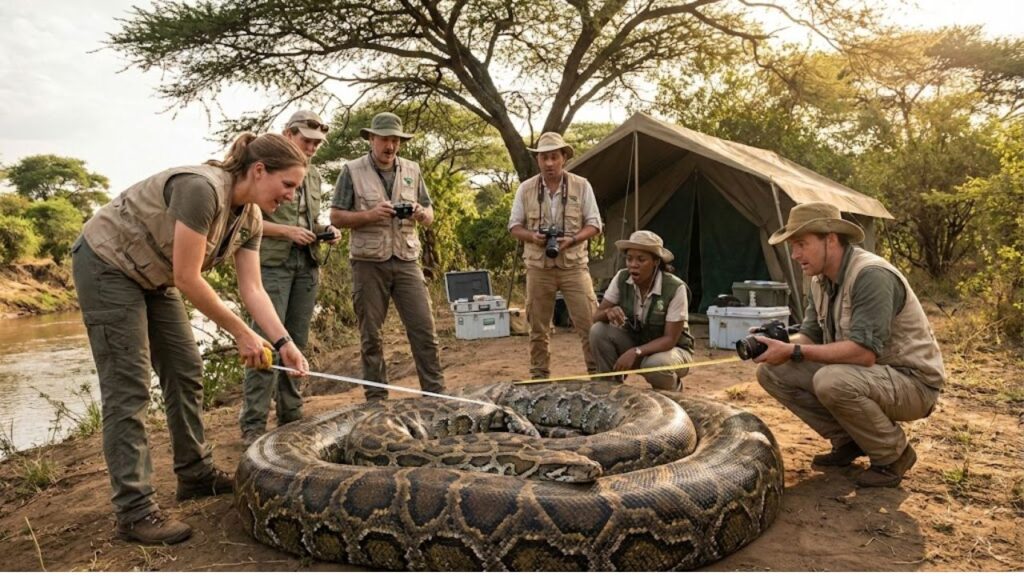
African python discovery shocks researchers
The moment the team realized they were observing a massive specimen, excitement quickly turned into meticulous documentation. This was no casual sighting but part of a certified expedition designed to record verifiable wildlife data. Using standardized tools, researchers confirmed a record length that exceeded most previously accepted field observations. What impressed experts most was the care taken with field measurements, ensuring accuracy without stressing the animal. In a field where exaggeration can spread quickly, this disciplined approach helped the finding earn immediate credibility, prompting other scientists to re-examine long-standing assumptions about maximum python size in the wild.
Why African python size can reach extremes
The African python habitat plays a major role in allowing these snakes to grow so large. Regions with stable climates and abundant prey support exceptional growth potential over decades. As an apex constrictor, the species can consume a surprisingly broad prey range, from birds to medium-sized mammals, reducing competition for food. Long lifespans also matter, since pythons continue growing slowly throughout their lives. When conditions align—low human disturbance, rich ecosystems, and genetic advantages—individuals can reach sizes that seem almost mythical, yet remain biologically plausible.
What this African python means for science
This finding highlights the importance of scientific verification in wildlife research, especially for animals often surrounded by folklore. Strict protocols ensured ethical handling, minimizing impact while collecting valuable data. Beyond headlines, the discovery adds real conservation value, emphasizing why intact ecosystems matter. Transparent reporting and peer review reinforce data transparency, helping future studies build on solid evidence rather than anecdotes. For herpetologists, the confirmed size reshapes baseline expectations and may influence how populations are monitored, protected, and understood across Africa.
Why this discovery resonates beyond reptiles
More than a curiosity, the confirmed giant python serves as a biodiversity reminder of what survives in underexplored regions. It underscores how delicate ecological balance allows extraordinary animals to persist when habitats remain intact. The discovery has also sparked research momentum, encouraging new surveys and funding interest in long-term field studies. In a time when wildlife news often focuses on loss, this moment offers a rare glimpse of nature’s capacity to surprise scientists, even in species we believe we already know well.
| Attribute | Observed Specimen | Typical Range | Notes |
|---|---|---|---|
| Estimated Length | Over 6 meters | 3–5 meters | Verified in field |
| Estimated Age | Several decades | 10–30 years | Based on size |
| Habitat Type | Wetland edge | Savanna, wetlands | High prey density |
| Documentation | Certified records | Often anecdotal | Peer reviewed |
Frequently Asked Questions (FAQs)
1. Where was the African python found?
It was documented during a certified field expedition in South Africa.
2. How was the python’s size confirmed?
Researchers used standardized measurements and peer-reviewed verification.
3. Is this the largest African python ever?
It is among the largest officially confirmed specimens recorded in the wild.
4. Does this change conservation priorities?
Yes, it highlights the need to protect habitats that support long-lived wildlife.