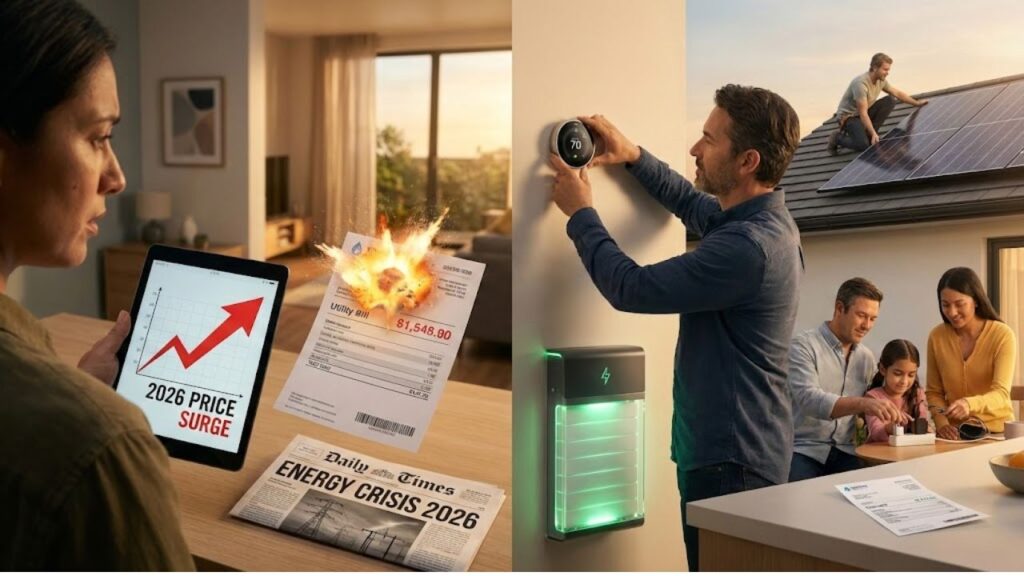
Energy regulators across Europe, including the UK, are gradually withdrawing emergency protections introduced during the energy crisis. Subsidies are being reduced, price caps adjusted, and obligations on suppliers reshaped. These changes do not automatically mean a sudden spike in bills, but they do introduce greater uncertainty. Electricity prices will be more exposed to wholesale market movements, network charges, and environmental levies. For many households in 2026, how and when electricity is used will matter just as much as the supplier name on the bill.
Key forces influencing electricity prices in 2026
Several elements will interact to shape future bills. These include power plant availability and renewable output, global gas prices that still influence electricity markets, and taxes and grid fees that can rise even if wholesale costs fall. On top of this, regulatory changes, such as the end of temporary crisis schemes, add another layer of complexity. What households pay will depend not only on these forces, but also on the contracts chosen in 2024–2025 and the habits formed at home.
Selecting the Right Electricity Contract Before Market Shifts
The first major lever is the tariff itself. Many households simply stay on their existing deal, even when it no longer suits their usage or the evolving market. Reviewing contracts before prices shift again can make a meaningful difference.

Fixed-rate versus variable tariffs
A fixed-price contract locks in the cost per kilowatt-hour for a set period, offering predictability. It allows households to understand exactly what extra usage costs, regardless of market volatility. Securing a reasonable fixed rate ahead of 2026 can work as a form of insurance against sudden price spikes, even if it is not the cheapest option every month.

By contrast, a variable or indexed tariff follows a reference price or a supplier’s standard rate. Bills can fall if markets ease, but they can also rise quickly when conditions tighten. This option suits people who monitor prices closely and are ready to switch again if needed.
Comparing offers the smart way
Effective comparison goes beyond headline prices. Households should calculate costs based on real annual consumption, using past bills or smart meter data rather than supplier estimates. Standing charges, exit fees, and contract length all matter when assessing the true cost of a deal.
| Element | What to check |
|---|---|
| Standing charge | Daily or monthly fixed fee, even if you use no power |
| Unit price (kWh) | Cost of each kWh, peak vs off-peak where relevant |
| Contract length | End date and what happens when the term finishes |
| Exit fees | Cost of leaving early if a better deal appears |
| Payment type | Direct debit discounts, late fees, prepayment surcharges |
Reducing Usage Without Major Lifestyle Changes
Contracts help control costs, but daily behaviour plays an equally important role. The aim is not to sacrifice comfort, but to remove waste through small, low-effort changes.
Simple actions with immediate impact
- Replace heavily used bulbs with LED lighting, especially in kitchens and living areas.
- Lower heating by 1°C and add an extra layer of clothing indoors.
- Use a programmable thermostat to avoid heating empty spaces.
- Fully switch off devices on standby, such as TVs, consoles, and coffee machines.
- Wash clothes at 30°C and run only full loads.
Standby power and inefficient lighting can quietly add significant costs over a year. These steps cost little or nothing and often pay for themselves quickly, making them ideal starting points for stretched households.
Making Time-of-Use Tariffs Work for You
Many suppliers now offer off-peak or time-of-use tariffs, where electricity is cheaper at night or during weekends. With these deals, timing matters almost as much as total consumption.
Shifting usage to cheaper hours
- Run washing machines and dishwashers on delayed start settings.
- Charge electric vehicles overnight.
- Heat hot water cylinders or storage heaters during off-peak periods.
This approach does not reduce total energy use, but it can significantly lower the final bill for the same level of comfort.
Long-Term Investments That Reduce Bills Beyond 2026
Some measures require upfront spending, but they can provide lasting protection if electricity prices rise again.
Insulation and efficient appliances
In all-electric homes, heating often dominates electricity costs. Poor insulation allows heat to escape through roofs, walls, and windows, driving up usage.
- Loft and roof insulation, often the quickest structural improvement.
- Wall insulation in older, uninsulated properties.
- Double or triple glazing where single panes remain.
- Sealing drafts around doors, chimneys, and floors.
Modern appliances with strong energy ratings consume far less power. Replacing old fridges, freezers, tumble dryers, and ovens can deliver noticeable savings, especially for devices running daily.

The cheapest kilowatt-hour in 2026 will be the one you never need to buy because wasted energy has been eliminated.
Grants and support schemes
Depending on location and income, households may qualify for grants, zero-interest loans, or tax incentives for insulation, heat pumps, or solar panels. These schemes change regularly, making it important to check options during 2024–2025. Even partial support can shorten payback periods and turn upgrades into practical investments rather than financial burdens.
Understanding Energy Terms Before Signing a Deal
Energy contracts and policy announcements often rely on technical language. Knowing a few basics makes comparison easier and helps avoid misleading offers.
- kWh (kilowatt-hour): the unit of energy billed, roughly what a 1,000-watt heater uses in one hour.
- Standing charge: a fixed daily or monthly cost covering network and administrative expenses.
- Peak / off-peak: times when electricity is more or less expensive due to demand.
- Price cap: a regulatory limit on typical charges, not a guarantee of an individual bill.
Understanding these terms helps households spot tactics like low unit prices paired with high standing charges.
What a Typical 2026 Electricity Bill Could Look Like
Consider a household using 3,500 kWh per year. At a unit price of 35p per kWh and a standing charge of 55p a day, annual costs would be roughly:
Energy use: 3,500 × £0.35 ≈ £1,225
Standing charge: 365 × £0.55 ≈ £201
Total: around £1,426
If that household reduces usage by 15% through efficient lighting, better heating control, and cutting standby power, consumption drops to about 2,975 kWh.
Energy use: 2,975 × £0.35 ≈ £1,041
Standing charge: still around £201
Total: roughly £1,242
A modest reduction in use can save close to £200 a year, even if prices remain high. Pairing lower consumption with a well-chosen fixed contract adds another layer of protection.
Why Acting Early Matters
Many households wait until a shocking bill arrives before taking action. By 2026, the best fixed deals may be gone and installers for insulation or heating upgrades may be booked months ahead. Acting sooner spreads costs, captures incentives while available, and makes each winter more manageable. Even if prices do not surge as feared, lower and more predictable usage leaves households better prepared for future market shifts.