We scrub chopping boards, wipe worktops, and obsess over the cleanliness of the sink. However, the kitchen bin often gets overlooked, receiving only a new liner and little attention. The logic behind this is simple: the waste goes into a bag, so the bin remains clean. But in reality, the situation is far from this ideal.
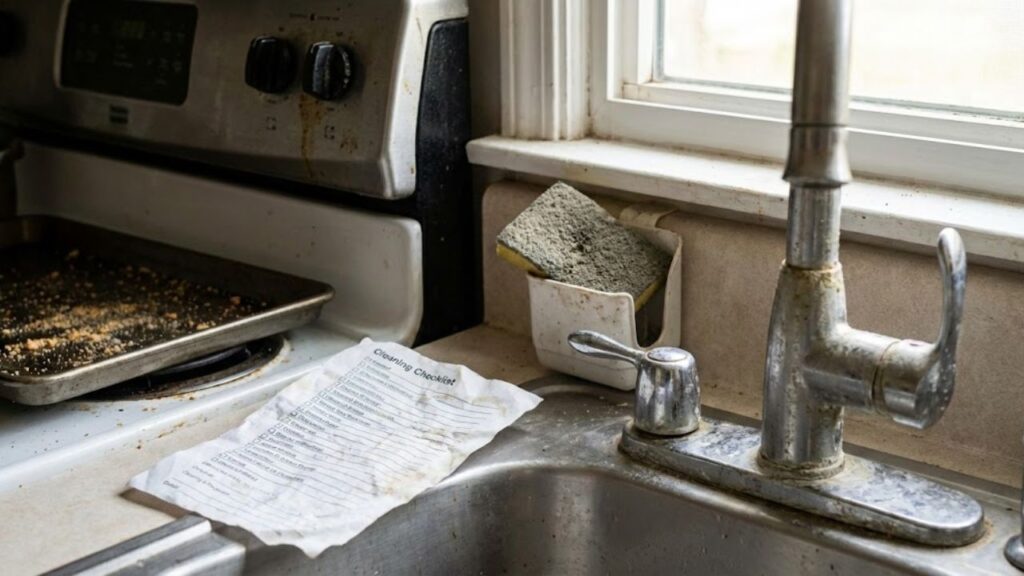
Liquids leak, fats seep through, and tiny food particles escape past the bag or get trapped between the rim and lid. Over time, this results in a sticky residue inside the bin, even if it appears relatively clean from afar. The kitchen bin quickly becomes a warm, humid breeding ground for bacteria, mold, and unpleasant odors, even when the lid stays closed.
How Often Should You Clean Your Kitchen Bin?
Many people admit they’ve never properly washed their bins or haven’t done so in months. Hygiene experts, however, recommend a much stricter routine. A thorough wash once a week is the gold standard, especially in busy households. For smaller homes, cleaning every two weeks may suffice, provided spills are dealt with promptly. The key rule is clear: if a bag rips or liquid leaks, clean it immediately—do not wait for a more convenient time.
Neglecting a spill allows bacteria and fungi to multiply, making odors harder to remove. This issue is especially aggravated during warmer weather, which is why bins tend to smell worse in summer, even if your routine hasn’t changed.
A Simple Method to Clean Your Kitchen Bin
Washing your kitchen bin may not be anyone’s favorite chore, but with the right approach, it can be quick and efficient. Here’s a simple step-by-step guide to cleaning your bin without dreading the process:
- Empty the bin: Remove the bag and inspect the bottom of the bin for any stuck food or labels. Use a disposable spatula or piece of cardboard to scrape them off.
- Rinse with hot water: A quick rinse with hot water loosens grease and softens any dried residue. Using a detachable shower head makes this step easier.
- Wash with soap: Apply washing-up liquid or a general cleaner. Scrub the inside, corners, and underside of the lid.
- Degrease and disinfect: Use a degreasing cleaner that also disinfects. Let it sit for five minutes before rinsing it off thoroughly.
- Dry completely: To prevent mold, ensure the bin is completely dry. Wipe it with kitchen roll or a clean cloth and leave it open to air-dry for a few minutes.
- Wipe the outside: Handles, pedals, and sides can gather splashes and fingerprints. Wipe them down with a damp, soapy cloth.
For easier cleaning, place the bin in the shower or bathtub to prevent dirty water from splashing around the kitchen. A powerful shower head can also help with rinsing.
What Lives Inside Your Dirty Kitchen Bin?
The inside of a neglected kitchen bin is an ideal environment for microbial life. Food waste, warmth, and moisture provide the perfect conditions for bacteria, yeasts, and molds to thrive. Researchers have found common foodborne bacteria on bin surfaces, including pathogens that can cause stomach issues if transferred to food preparation areas.
Some common “bin residents” include:
- Bacteria from meat juices and dairy residues that can cause food poisoning.
- Yeasts and molds that grow on decomposing scraps.
- Odor-causing bacteria that thrive on fats and proteins.
While most healthy adults may not fall ill from simply touching a dirty bin, cross-contamination in the kitchen can increase the risk. The real danger lies in repeated exposure. A child may touch the bin pedal and then eat food without washing their hands, or a cook may change the bin liner and continue preparing food. These habits can lead to the spread of bacteria and compromise overall hygiene.
Low-Effort Tips to Control Bin Smells and Germs
Besides regular washing, there are some simple tricks to keep your bin fresher and more hygienic between cleans. These low-tech solutions can help control odors and minimize the spread of germs:
- Line the bottom: Place a sheet of newspaper or an old paper towel under the bin bag to absorb minor leaks.
- Use well-fitted bags: Ensure your bin bags are appropriately sized. Too small, and they will tear; too large, and they will slip and leave gaps.
- Seal food packaging: Wrap meat scraps or very wet leftovers in paper before disposing of them to prevent leaks and odors.
- Sprinkle bicarbonate of soda: A light dusting at the bottom of the bin bag can help absorb odors.
- Keep the lid closed: An open bin warms up faster and attracts insects, so always ensure the lid is properly shut.
Many households also keep a smaller caddy for food scraps, allowing them to be emptied more frequently, reducing the decomposing organic matter in the main bin.
How a Clean Bin Improves Your Whole Kitchen
A clean, odor-free bin can transform the atmosphere of your kitchen, especially in smaller flats or open-plan spaces. Lingering odors may go unnoticed over time, but guests will pick up on them immediately. Regularly cleaning the bin helps eliminate these background smells, which are often mistakenly attributed to drains or old houses.
Psychologically, a clean bin encourages a tidier kitchen overall. People report feeling more relaxed and motivated to cook when the kitchen’s “dirty corner” is under control. A clean bin can improve your overall kitchen experience and make the space feel more inviting.
How to Incorporate Weekly Bin Cleaning into Your Routine
For many households, the challenge is not whether to clean the bin weekly but how to fit it into their busy schedules. One effective strategy is to align the task with another regular activity, such as rubbish collection. For instance, if your bins are collected on Thursday, clean the bin right after emptying it. Since the bin is already empty, it becomes part of an established routine rather than an added task.
Here’s a guide to bin cleaning frequency based on household type:
| Household Type | Recommended Wash Frequency | Key Reason |
|---|---|---|
| Single person, little cooking | Every 2 weeks | Lower volume of organic waste |
| Couple, regular cooking | Weekly | Steady food and packaging waste |
| Family with children | Weekly or twice weekly | Higher waste, more handling of the bin |
| Shared flat | Weekly with rota | Multiple users, frequent leaks and spills |
Important Cleaning Terms and Risks to Understand
When cleaning products mention “disinfection,” they refer to reducing the number of bacteria and viruses on a surface. However, this doesn’t mean total sterility, which is nearly impossible in a regular home. “Degreasing” focuses on breaking down fats and sticky residues, which are commonly found in bins. These residues trap odors and germs, so using hot water and degreasing cleaners is essential for effective disinfection.
The main health risk comes not from a single encounter with a dirty bin but from poor hygiene combined with other habits, like rarely washing hands, undercooking meat, or reusing dirty cloths. Each factor adds to the overall risk of contamination. However, maintaining a cleaner bin helps reduce the growth of mold, insects, and germs, creating a fresher and healthier kitchen environment. The benefits far outweigh the time spent cleaning, which often takes less than ten minutes once you have a good routine in place.