Psychologists note that this difference goes far beyond simple tidiness. The habit of cleaning while cooking reflects deeper mental patterns, including planning ahead and stress management, that quietly influence a person’s life well beyond the stove and sink.
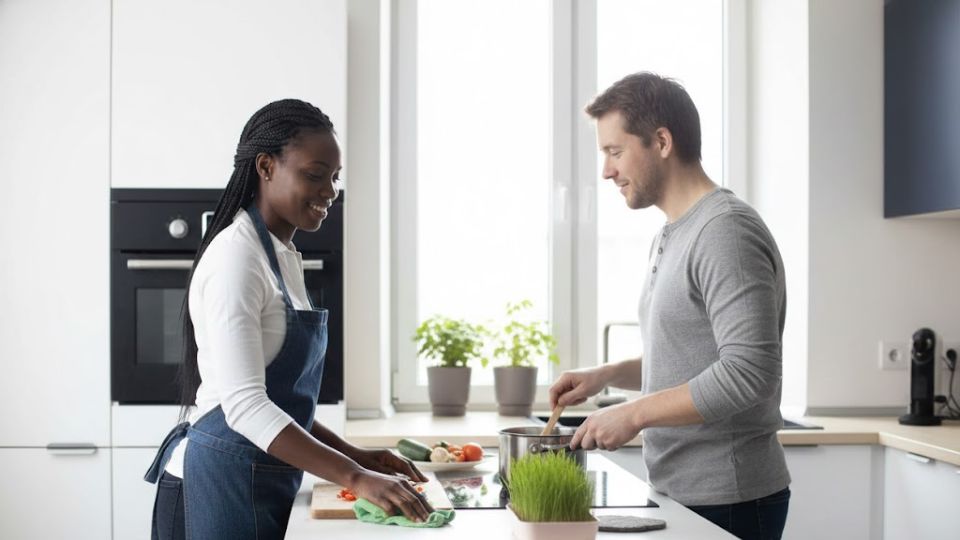
The subtle psychology behind a tidy stovetop
At first glance, rinsing a pan while pasta cooks seems purely practical. However, studies on behaviour, attention, and personality suggest this small habit points to a distinct psychological profile.
People who clean as they cook constantly make micro-decisions: what deserves attention now, what can wait, and how to avoid extra work later.

These ongoing choices draw on multiple mental abilities at once, including organisation under pressure, impulse control, emotional management, and forward thinking. Over time, these skills form patterns that appear in work, finances, relationships, and health.

1. Stronger executive functioning
Executive function acts as the brain’s control centre. It includes working memory, flexible thinking, and self-discipline. Someone who sautés, times the oven, and wipes the counter in one smooth rhythm relies heavily on this system.
Rather than viewing cooking and cleaning as separate tasks, they blend them. While onions soften, the dishwasher gets loaded. When the timer sounds, they pause rinsing a board and return to the pan without losing focus.
These same mental skills help manage complex work tasks, studies, and long-term projects. People with strong executive function often juggle deadlines more effectively, track commitments accurately, and adapt faster when plans shift.
2. Reduced daily stress and anxiety
Psychologists understand that visual clutter can increase cortisol, the body’s primary stress hormone. Piles of pans, sticky surfaces, and overflowing utensils signal unfinished business to the brain.
Those who clean as they go prevent that stress from building. Each quick rinse or wipe is like settling a small obligation immediately instead of letting it grow.
Many describe feeling calmer throughout cooking. The process feels lighter because there is no intimidating clean-up waiting at the end of the meal.
3. High conscientiousness
Conscientiousness, one of the well-known “Big Five” personality traits, relates to reliability, order, and a preference for planning over improvisation.
People who keep order while cooking often behave similarly elsewhere. They remember appointments, pay bills on time, and follow through on promises.
- Prevent problems rather than fix them later
- Notice small details others miss
- Maintain routines without outside pressure
- Engage in preventive health habits, such as scheduling check-ups
In the kitchen, this trait appears as wiping spills before they dry or washing a knife before grabbing another.
4. Strong impulse control
Leaving everything for after dinner offers instant relief. Cleaning while cooking is rarely the most appealing choice in the moment.
Choosing to wash a greasy pan now instead of scrolling later is a small act of self-control that trains the brain.
Research on self-regulation shows that these repeated, minor decisions strengthen overall willpower. People who resist the “I’ll do it later” impulse in the kitchen often do the same elsewhere, making them more likely to save money, stick to fitness plans, and address difficult conversations rather than avoid them.
5. Sharper spatial intelligence
Cooking neatly is partly a spatial challenge. It requires tracking where items are, predicting what comes next, and arranging tools to preserve workspace.
This relies on spatial intelligence, the ability to organise and visualise space efficiently. Clean-as-you-go cooks mentally map their kitchen, estimating how many bowls they will need and where hot pans can rest safely.
Outside the kitchen, people strong in this skill often pack efficiently, rearrange rooms easily, and park in tight spaces without stress.
 Goodbye Hair Dye for Grey Hair: The Conditioner Add-In That Gradually Restores Natural Colour
6. Better emotional regulation
Cooking can quickly become tense. A sauce nears burning, the phone rings, the doorbell sounds, and multiple pans demand attention. Adding cleaning into this mix requires emotional steadiness.
The person who calmly lowers the heat, silences the phone, and resumes rinsing demonstrates emotional regulation: recognising rising stress and choosing not to escalate.
This composure in the kitchen reflects how some people handle conflicts, deadlines, and unexpected setbacks elsewhere in life.
7. Natural mindfulness and presence
Anyone who has cooked while mentally replaying an argument knows how quickly food burns. Cleaning as you cook demands attention to the present moment, from the smell of garlic to the warmth of running water.
This focus mirrors mindfulness practices used in therapy and meditation. Instead of sitting still, the clean-as-you-go cook anchors attention through movement and sensation.
Many who adopt this habit say meals feel more satisfying. They remember the process, not just the outcome, and feel more connected to what they prepare.
8. Long-term thinking over immediate comfort
At its core, this habit reflects a mindset of trading small effort now for an easier future. Washing one bowl while the kettle boils can prevent a long clean-up late at night.
- Rinsing utensils between steps: helping a tired future self
- Clearing counters before serving: creating a calmer dining space
- Washing pans while food rests: avoiding a larger burden later
This thinking style often appears in money management, careers, and relationships through small, consistent actions that build long-term stability.
When the kitchen feels chaotic
None of this suggests that people who leave dishes are lazy or failing. Some face limited energy, neurodivergence, depression, or demanding households. Others simply never learned practical kitchen rhythms.
Psychologists emphasise that skills like executive function and self-control are shaped by habits and environment. They are not fixed traits.
Simple ways to explore the habit
For those curious about their own patterns, small experiments can be revealing:
- Choose one meal and aim to finish with only two items left to wash
- Clean one object whenever something simmers for more than a minute
- Notice inner thoughts about effort versus future regret
These small shifts highlight how you handle delayed gratification and short bursts of effort.
From kitchen routines to life patterns
The link between cleaning while cooking and psychological traits matters because it turns a mundane habit into a meaningful signal. It can reveal existing strengths, such as planning, patience, or emotional steadiness, while also showing where support may help.
The way you treat your future self at the sink often mirrors how you treat your future self in finances, scheduling, and health.
For those who feel perpetually behind, starting with a small action, like washing one pan before eating, can create a sense of control. Research links this feeling to improved mental health and greater life satisfaction.
For those already practising this habit, recognising its link to foresight and executive strength can encourage applying the same approach to larger goals.
Ultimately, the difference between a clean stovetop and a pile of dishes is about more than cleanliness. It reflects an ongoing balance between comfort now and comfort later, revealing how a person thinks, feels, and plans their life.