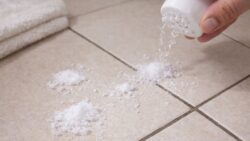
There was no burst pipe and no standing water, just a faintly sweet smell and a cabinet door that no longer sat straight. When I wiped underneath, the cloth came back grey and spongy, as if it had brushed against something old and soaked. It didn’t look dramatic, but it felt wrong.
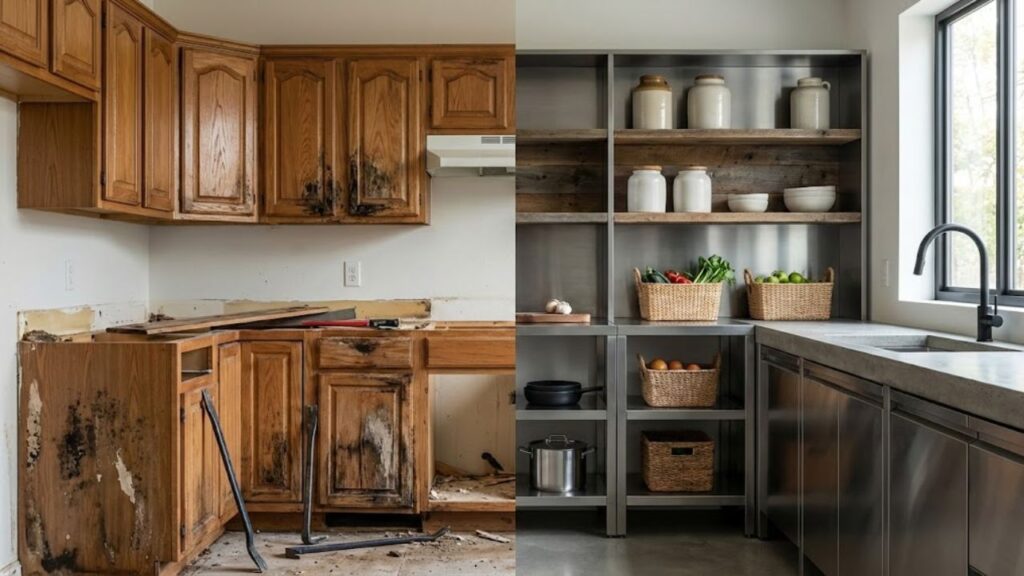
When the carpenter arrived, he barely paused. He tapped the swollen chipboard once and said “moisture”. Steam, he explained, slowly destroys these boxes. The estimate he left behind was painfully high, especially considering the cabinets weren’t even that old.
Days later, inside a neighbour’s compact flat with almost no storage, I noticed something unexpected. There were no upper cabinets at all. Yet the kitchen felt calmer, brighter, and sturdier. The surfaces looked as if they could handle a small flood. One simple design choice changed everything.
 3I/ATLAS Radio Signal Reported - What a Strange Signal Could Mean for the Interstellar Comet
Why traditional kitchen cabinets quietly fail over time
Step into most apartments built over the last two decades and you’ll see the same setup: neat rows of wall cabinets, glossy doors, sleek handles. Inside, however, it’s another story. Overstuffed shelves, half-open packets, sticky rings where oil bottles live. From the outside, everything looks fine, but inside the laminate begins to peel, hinges loosen, and corners swell like damp cardboard.
This damage creeps in so slowly that it’s easy to ignore. Daily splashes near the sink, steam rising from the dishwasher, warm air trapped behind closed doors. Most standard cabinets are made from particleboard, MDF, or thin veneer, materials that tolerate moisture quietly until one day a shelf bows or a door slips out of line. At that point, cleaning no longer helps. Replacement becomes inevitable.
Renovation forums are full of familiar stories. A London couple shared images of cabinets warped after six years in a poorly ventilated rental. A Florida family discovered mould spreading behind a kickboard where a tiny leak had gone unnoticed for months. These aren’t rare accidents. They’re what happens when moisture-sensitive boxes meet real, everyday kitchens.
Manufacturers are well aware of this weakness, which is why warranties carefully exclude water damage. Cabinets may be marketed as “kitchen grade,” but the core remains compressed wood dust, ready to swell with every humid season. The problem isn’t the door style. It’s the hidden box behind it.
The quiet shift away from cabinets toward open frameworks
Look closely at the most shared modern kitchens online and you’ll notice what’s missing. Long rows of upper cabinets are gone. Instead, there are open steel shelves, metal frames, tiled niches, and deep drawers built more like furniture than flat-pack boxes. This shift isn’t just about aesthetics. It’s about replacing fragile enclosures with structures that allow air to move freely.
At the centre of this trend is something surprisingly simple: modular steel shelving paired with solid wood or compact laminate shelves. Borrowed from restaurant kitchens and softened for home use, these systems avoid sealed cavities where moisture can hide. There are no chipboard edges to swell, just strong, open frames that handle steam with ease.
A young couple in Manchester documented their renovation after removing sagging wall units. Instead of installing new cabinets, they chose industrial-style rails and powder-coated steel brackets, topped with oak shelves finished in hardwax oil. They kept their existing base units to save money and replaced only the doors. The total cost for shelving and rails came in at less than half of their original cabinet quote.
The savings didn’t stop there. Without heavy boxes, they avoided costly wall reinforcements and complex lighting. A simple track light now washes the open shelves with warmth. Everyday plates, glasses, and bowls sit in plain sight. It looks intentional, but the choice began as a way to avoid another round of swollen chipboard.
There’s solid logic beneath the look. Open metal frameworks allow moisture to escape instead of trapping it. Steel doesn’t warp like MDF, and properly coated or stainless finishes resist everyday humidity. Shelves can be rearranged or replaced individually as life changes, without tearing the kitchen apart.
Perhaps the most radical part is this: you stop paying for storage you rarely use. That unreachable top shelf where holiday platters disappear suddenly feels unnecessary. Open shelving quietly asks whether boxed storage was ever truly essential, or simply accepted as the default.

How to transition without rebuilding your entire kitchen
Adopting this approach doesn’t require a full demolition. Many designers now recommend a hybrid layout. Keep sturdy base units for heavy items and replace upper cabinets with rail-and-bracket systems or slim metal-framed shelves.
Start in the wettest area. Shelves above the sink and dishwasher suffer the most in traditional kitchens. Swapping these for steel allows steam to rise and dissipate instead of collecting inside a sealed box. The difference is immediate the first time you unload a hot dishwasher.
Another practical upgrade is choosing deep drawers instead of additional doors below. Solid-sided or metal drawer boxes are easier to clean and less likely to hide mould. When you pull them out, everything is visible. There are no dark corners where leaks quietly grow.
Concerns about dust and clutter are common, especially for those who don’t obsessively organise. The solution isn’t perfection, but intention. Display only what you use daily: plates, bowls, favourite mugs. Store plastic containers, bulky appliances, and rarely used items in closed base units or a pantry.
Soyons honnêtes : nobody wakes up excited to style shelves before work. That’s why the best open frameworks are forgiving. Hanging rails for mugs, trays for oils, and high shelves for large dishes allow a little visual chaos without feeling messy. When the structure fits your habits, the change fades into the background, until guests ask where the cabinets went.
We’ve all experienced the moment when a cabinet door nearly falls off or mould appears behind forgotten food. That small shock is what open frameworks quietly eliminate. Kitchens feel lighter not only because walls are clearer, but because there are fewer hidden places for damp and dirt to grow.
What daily life looks like without wall cabinets
One unexpected outcome people report is cooking more often. With ingredients visible and reachable, flour, pasta, coffee, and sugar don’t disappear into forgotten corners. It becomes harder to say you don’t know what you have at home.
Light also behaves differently. Without heavy boxes, walls open up to tiles, paint, or windows. A simple LED strip under a steel shelf often provides better task lighting than traditional under-cabinet systems, at a much lower cost. The room feels taller, cooler, and easier to breathe in.
There’s a psychological shift as well. Traditional cabinets encourage hoarding because there’s always space to hide unused items. Visible storage nudges you to curate. Duplicate glasses feel unnecessary. Unloved gadgets quietly leave for donation.
This isn’t about extreme minimalism. It’s about giving everyday items a place they deserve, and admitting that the rest may not need permanent, moisture-prone storage in your kitchen.
 Bird lovers swear by this cheap January treat while critics say it is slowly killing wild birds
Key takeaways at a glance
- Open frameworks outperform closed boxes: Metal shelving resists warping, swelling, and trapped moisture for a longer-lasting kitchen.
- Hybrid layouts reduce costs: Keeping base units while removing upper cabinets refreshes the space without a full renovation.
- Visible storage reshapes habits: Seeing what you own encourages cooking more and cluttering less.