In a modest terraced house at the edge of town, a kettle clicks off. A 100-year-old woman rises from her armchair without pushing off her knees. Her name is Margaret, though everyone nearby calls her “Mags”. Her cardigan is buttoned incorrectly, her lipstick slightly off-centre, and there’s a sharp sparkle in her eyes that makes you forget the number written on her birthday cards.
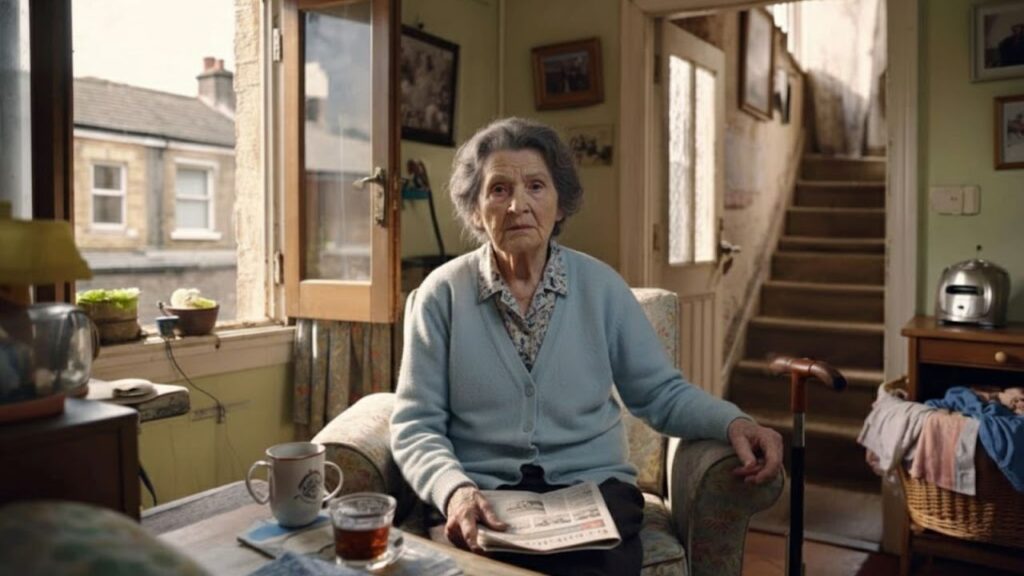
She still does her own shopping, still sweeps her front step, and still complains about the price of apples. When a social worker once mentioned a care assessment “for the future,” Margaret laughed so hard she had to sit back down.
“I refuse to end up in care,” she said, without hesitation.

Then, calmly and without drama, she explained the small daily habits she believes have kept her independent.
 Goodbye Hair Dye for Grey Hair: The Conditioner Add-In That Gradually Restores Natural Colour
Everyday Rituals That Protect Her Independence
Margaret’s day doesn’t look impressive on paper. She wakes at 6:30 a.m., slips her feet into the same worn wool slippers, and sits on the bed for a moment to “check everything’s still attached.”
She stands slowly and moves. Not exercise classes or yoga mats. Just a gentle walk around the room, a few arm circles, and a hip wiggle so her joints remember their job.
“I’m not fragile,” she says. “I just stiffen up if I sit too long.”
Breakfast happens at the same small table by the window overlooking the street she’s watched for fifty years. It’s simple: half a slice of toast, a boiled egg, and a mug of tea so strong “a spoon could stand in it.”
The routine is repetitive, almost dull. And that’s exactly why it works. Research from the Blue Zones—regions known for long life—shows that people who live past 100 don’t rely on extremes. They walk regularly, eat simply, and stay socially connected.
Margaret doesn’t know the studies. She just shrugs. “Do a little every day, and you keep going.”
There’s nothing magical about her routine, and that’s why it matters. She doesn’t take supplements, track steps, or chase health trends. What she has is consistency mixed with stubbornness.
She walks to the shop instead of ordering deliveries. She takes the stairs at the doctor’s surgery. She stands up every hour, even when the television is good.
She doesn’t do it every day without fail. She does it most days, and over decades, that’s what separates living at home from waiting for a care bed.
“I Plan to Leave This House Walking”: Rules She Lives By
Margaret’s first rule is blunt: “Never stop doing what you don’t want to lose.”
She still hangs washing on the line, even when her daughter suggests the dryer. She climbs the stairs multiple times a day, sometimes deliberately forgetting something upstairs to force another trip.
This isn’t denial. It’s training. Daily tasks become her personal physio.
- Reaching high shelves becomes a shoulder stretch
- Standing up from the sofa turns into leg strength work
- Carrying shopping bags is “my gym without the silly music”
“If I stop doing it,” she repeats, “I won’t get it back.”
Her approach to food is calm and forgiving. There’s butter in the fridge, sugar in the cupboard, and a secret stash of chocolate “for good news or bad.”

Her quiet rules are simple: small portions, soup once a day, and something green on the plate, even if it’s just one pea. She always drinks water alongside her tea, after fainting from dehydration in her sixties and deciding “once was enough.”
She’s watched friends move from cooking to frozen meals, then to barely eating at all.
“That’s when they fade,” she says. Not suddenly. Just little by little.
The One Thing She Refuses to Lose: People
There’s one thing Margaret takes seriously: avoiding loneliness.
“People think old age kills you,” she says. “It doesn’t. Emptiness does.”
So she treats social contact like medicine.
- A quick chat with the postman
- A weekly phone call with a neighbour’s teenage daughter about music she doesn’t understand
- Church on Sundays, more for habit and company than belief
Her days are filled with quiet movement and connection:
- Standing during adverts and stretching while the kettle boils
- Simple meals with no forbidden foods
- Daily human contact, even brief conversations
- Household movement through cleaning, lifting, and climbing
- Holding onto key tasks like dressing, medication, and planning her day
A Long Life Without Chasing the Finish Line
Margaret isn’t trying to reach a certain age. She’s not aiming for records. What she wants is control over small daily choices: when she drinks tea, where she leaves her slippers, and how she spends her afternoon.
Her habits aren’t about living forever. They’re about not handing over her independence too early.
“I refuse to end up in care” isn’t a judgement. It’s a promise—to herself—to protect every bit of freedom she still has.
With age, it becomes tempting to let others take over. Shopping gets heavy. Laundry feels tiring. Pills look confusing. Each step makes sense. Sometimes it’s necessary.
But for Margaret, every surrendered task is also a practice run for dependence. She balances accepting help with holding onto the activities that remind her she’s still in charge.
Her life isn’t a perfect template. Bodies fail. Illness interrupts. Circumstances differ. Not everyone can walk to the shop or rely on neighbours.
What her story offers is a shift in focus.
Instead of asking “How do I live longer?” she asks “What small thing today protects my independence tomorrow?”
Sometimes, it’s standing up to make your own tea. Returning a phone call. Or climbing the stairs slowly, holding the rail, but still climbing.