
On a bitter January morning, when the sky hangs heavy and grey, the only movement on many streets comes from birds fluttering around garden feeders. A pensioner in a thick wool hat scatters bread crusts across frozen grass. A child empties a bargain bag of mixed seed into a plastic tray received at Christmas. From kitchen windows, people pause to watch birds drop into white, silent gardens like small sparks of hope. Then a post appears online warning that those cheap feeds might be harming birds. The comments erupt, splitting people into camps. This seasonal debate over winter bird food has become fierce, and the reality is far more complicated than either side wants to admit.
How cheap winter bird food became a seasonal habit
After Christmas expenses take their toll and daylight fades before evening, the low-cost bag of bird food by the supermarket till feels like an easy act of kindness. It sits beside discounted snacks, decorated with bright images of robins and tits and bold winter labels. Tossed into the trolley with everyday essentials, it creates the comforting idea of helping wildlife on a tight budget. Across suburbs worldwide, similar scenes repeat daily. Retirees pour leftover bread for familiar starlings, families spread budget seed mixes in large trays, and others hang scraps of fatty leftovers from garden hooks. Photos flood social media, showing busy feeders and happy birds, reinforcing the belief that these animals depend entirely on human help.
Why experts feel uneasy about bargain bird treats
Ecologists don’t deny that feeding birds can be helpful during harsh winters or in dense urban areas. What concerns them is the quality of many low-cost feeds. These mixes often rely on fillers such as dried peas, lentils, split corn, or colored pellets that smaller birds struggle to eat. Some contain salty fats, flavored suet, or stale bread crumbs. What looks generous on the packet often ends up wasted or eaten by pests. Over time, birds may become undernourished, weakened, or prone to illness despite constant feeding.

The hidden dangers behind low-cost bird feed
Wildlife rehabilitation centers see the consequences every winter. They treat robins with fungal infections linked to damp, mouldy feed, pigeons suffering joint problems after months of bread-heavy diets, and finches caught in disease outbreaks caused by crowded, dirty feeders. The issue is not a lack of compassion but the way feeding is done. Cheap fat blocks left outside too long, feeders never cleaned, and piles of scraps create ideal conditions for disease. Volunteers often encounter gardens filled with overflowing feeders and sick birds, where good intentions unintentionally cause harm.

Why poor feeding practices cause real harm
The science is straightforward. Bread fills birds without providing essential nutrients. Salty or seasoned fats strain small organs. Seed mixes packed with fillers attract larger, aggressive species and rodents, forcing out smaller birds that need support most. Crowded feeders mean droppings on perches and trays, allowing infections to spread quickly. Wild birds were never meant to rely on a single plastic feeder offering the same low-quality food every day. Convenience and low prices have shaped this habit, not nature.

Healthier ways to support birds through winter
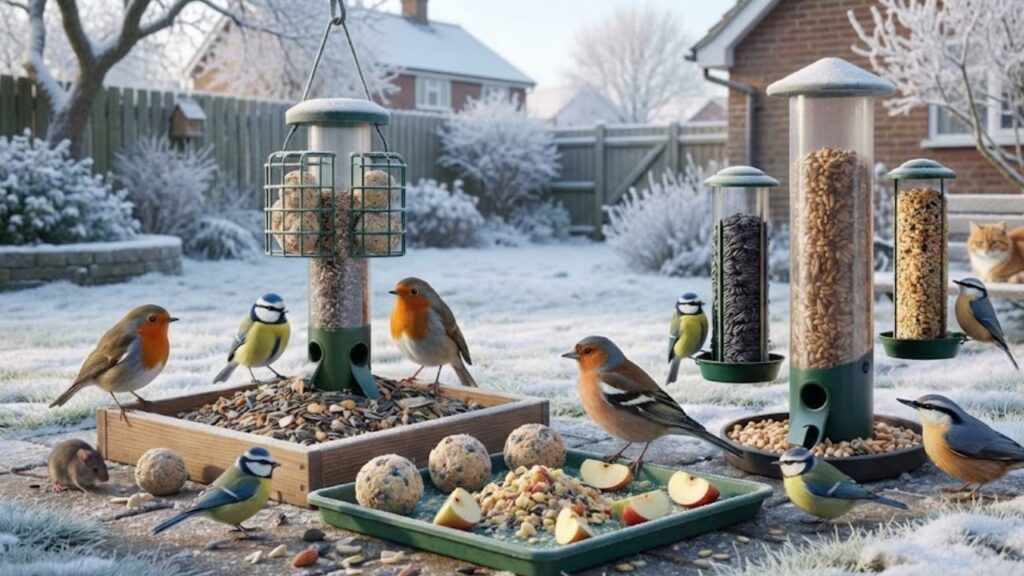
Feeding birds well does not require expensive products or specialist knowledge. The key is to supplement natural foraging, not replace it. Offer simple, nutritious foods such as black sunflower seeds, sunflower hearts, unsalted peanuts made for birds, nyjer seed for finches, chopped apples, or plain oats. Use different feeding spots to reduce crowding and rotate food types. This approach limits disease spread and supports a wider range of species without overwhelming one area.
Simple habits that make feeding safer
Regular cleaning matters more than many people realize. Once a week during winter, empty feeders, scrub them with hot soapy water, rinse thoroughly, and let them dry. Discard any mouldy food immediately rather than topping it up. If budgets are tight, offering smaller amounts of high-quality food less often is far healthier than providing large quantities of poor-quality feed every day. As one ornithologist explained, people aren’t choosing whether to feed birds, but whether that feeding helps or harms them.
Practical winter feeding guidelines
- Choose quality foods such as sunflower hearts, proper suet, nyjer seed, and unsalted peanuts.
- Avoid bread and salted scraps, along with heavily processed or brightly colored bargain mixes.
- Clean feeders weekly, and more often during wet weather or disease outbreaks.
- Provide fresh water in a shallow dish, even during freezing conditions.
- Keep parts of the garden natural with leaves, seedheads, and dead stems for foraging.
A winter habit worth rethinking
Watching a small bird dart from a feeder into a hedge with a seed brings comfort on cold mornings. That feeling of helping life continue is powerful, and it explains why winter feeding endures. The real question isn’t whether to care for birds, but whether our actions truly meet their needs. Some will always choose the cheapest option, others will invest in better food and cleaner feeders, and many will balance between the two. Birds won’t protest or complain; their response will show quietly over time. Once you realize that what goes into a feeder can either support or undermine their survival, it becomes difficult to ignore.
 This so called anti mold plant could it be more dangerous than the chemicals we want to avoid
Key takeaways for mindful bird feeding
- Quality over quantity: focusing on nutritious food improves bird health and survival.
- Regular cleaning: reduces disease and keeps feeding stations safe.
- Beyond the feeder: combining feeding with natural garden features creates a stronger winter habitat.
