
The school parking lot moves like a slow, tense traffic jam. Parents glance at their watches, children drag backpacks that feel heavier than they look, and teachers wave goodbye knowing their workday is far from finished. By 4 p.m., a second shift quietly begins at kitchen tables, on living room floors, and in car backseats between activities: homework time. Everyone is tired, even if no one says it aloud. A child stares at a worksheet they already understood in class while a parent scrolls a phone, avoiding the growing frustration. Somewhere else, a teacher grades the same pages, wondering who is truly benefiting. Something in this routine feels deeply wrong.
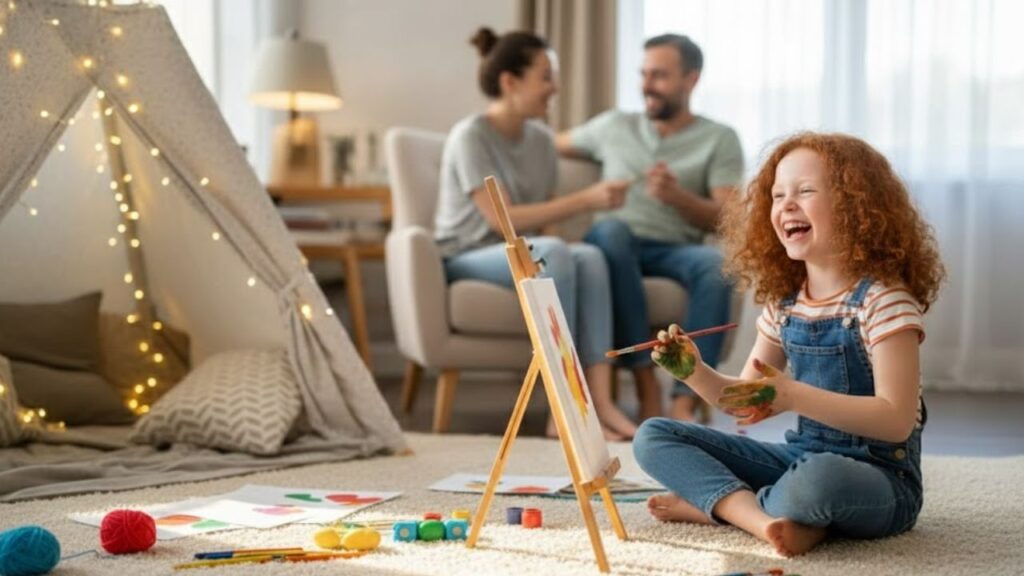
How Homework Quietly Steals Childhood
Step into almost any home on a weekday evening and the mood is familiar. There is a constant low-level tension, the sighs, the bargaining: “Finish this, then you can relax.” Homework has turned evenings into a battleground where parents become unpaid tutors, children feel like overworked employees, and school seeps into every corner of family life. We talk often about discipline and responsibility, but far less about the cost. After six hours of focused learning, kids are asked to give even more, as if attention never runs out. Adults would never accept that standard at work, yet we label children as failing when they can’t meet it.
What Homework Really Looks Like at Home
Research often sounds reasonable on paper. One widely cited study found elementary students average about 30 minutes of homework per night. But real evenings tell a different story. Dinner dishes pile up, younger siblings cry, parents struggle to remember new teaching methods, and a child fights tears as bedtime approaches with work still unfinished. Then there are the outliers rarely discussed: the third grader facing 90 minutes of assignments, the teenager doing three hours after sports, the child who lies and says, “I finished at school,” just to reclaim one free night. That isn’t laziness. It’s exhaustion.
 Stop Rubbing Hair With a Rough Towel - This “Blotting” Method Prevents Frizz and Reduces Breakage
What Research Says About Homework Effectiveness
Studies from researchers at Duke and Stanford revealed a quiet but powerful truth. For elementary students, homework shows almost no impact on academic achievement. In middle school, the benefits are small. In high school, once homework passes a certain threshold, it stops helping and can actually harm learning. While homework is often defended as a way to build discipline, it more commonly produces resentment, anxiety, and the belief that learning is something to endure, not enjoy. If homework truly worked as promised, we would see curious, energized children, not burned-out preteens speaking like tired office workers. The reality is uncomfortable: we’re protecting a tradition, not an effective tool.

What Happens When Homework Disappears
Imagine the final bell rings and children head home with no worksheets, no reading logs, no assignment trackers. Many adults fear what comes next, picturing endless screen time and wasted hours. Yet in places where homework is minimal, such as Finland or experimental schools, a different reality appears. Children go outside, read what genuinely interests them, build elaborate creations, draw, write, and invent games with friends. This unstructured time is not empty. It’s where creativity, problem-solving, and intrinsic motivation quietly develop.
A Real Example of Learning Without Pressure
Lena, a 13-year-old student, attended a middle school that paused traditional homework for a year-long trial. Instead of nightly tasks, students received optional challenge projects. At first, Lena enjoyed the freedom, watching shows and texting friends. Teachers expected engagement to drop. Instead, after a month, she began writing a fantasy story inspired by a history lesson, researching extra details simply because she wanted to. Her grades stayed steady, her sleep improved, and evenings became calmer at home. Learning didn’t vanish when homework did. Forced learning did.
Why Unstructured Time Matters More Than Ever
Unstructured time feels radical because modern life treats constant productivity as essential. Children move from school to homework to activities with little room to breathe. Psychologists consistently warn that what kids need most isn’t more instruction but agency, play, and rest. Rest allows the brain to absorb what was already learned. When evenings are freed from worksheets, parents can be parents again instead of enforcers, and children can simply be children. The nightly stress, arguments, and bargaining aren’t personal failures. They are signs of a system pushing against human limits.

Learning More by Assigning Less
Removing homework doesn’t mean learning ends after school. It means reshaping how learning continues. Some schools now end the day with a short reflection, giving students time to review what they learned, note one lingering question, and recognize something they understood well. They are sent home with an invitation, not an obligation: notice something in daily life connected to today’s lesson. It could be a fraction on a pizza box, a lyric in a song, or a reference in a TV show. No worksheet required, just a new way of seeing the world.
How Parents Can Support Learning Without Homework
When homework battles disappear, parents can focus on creating a learning-rich home in a natural way. Books can be left around without perfect organization. Dinner conversations can drift from social media drama to big ideas. Children can explain a game strategy, help plan a meal, or argue for a later bedtime. The key is avoiding disguised homework. Turning every activity into a lesson pushes children away. Curiosity invites. Control repels.
A veteran teacher from Montreal summed it up simply: “Kids don’t need more hours of school at home. They need adults who trust that focused classroom time is enough, and that the rest of the day belongs to them.”
Practical Ways to Reclaim Evenings
- Set a clear boundary: choose a time after which school is not discussed unless the child brings it up.
- Create a quiet corner: a space for reading, drawing, or tinkering, without timers or pressure.
- Change the questions: replace “Did you finish?” with “What made you think today?”
- Protect one free weeknight: no assignments, no activities, just open time.
- Work with teachers: share honest evening experiences and ask what can be adjusted.
What Children Truly Need From Us
Beneath the homework debate lies a deeper question: what is childhood for? Is it a training ground for future careers, or a rare window to explore, rest, connect, and grow without constant evaluation? Homework feels untouchable because busyness feels safer than space. Yet space is where motivation, resilience, and genuine curiosity begin. Parents are tired. Teachers are tired. Children are beyond tired. Freeing evenings from worksheets won’t solve every problem in education, but it would send a clear message that we value learning, family life, and childhood itself. Sometimes the bravest choice is simple: close the books, step outside, and let learning happen without a clock.

Key Takeaways at a Glance
- Homework has limited impact for young children: research shows minimal benefits in elementary school and diminishing returns later, easing guilt for parents.
- Unstructured time is essential: play and self-chosen activities strengthen creativity and real motivation.
- Small changes can replace heavy workloads: reflection and simple home practices support learning without nightly assignments.
