
At the edge of a tranquil village, there lies a modest plot of weeds and wildflowers, buzzing gently in the late afternoon light. This small piece of land, though seemingly insignificant, has ignited a national debate, splitting opinions from kitchen tables to social media.
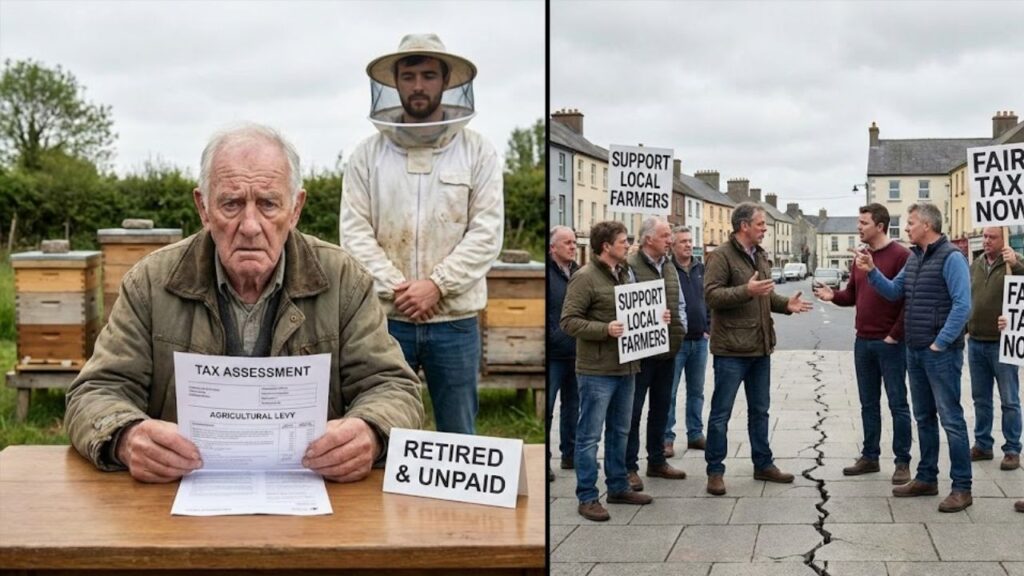
A retired man, who thought he was simply being kind by allowing a local beekeeper to use his land, has found himself facing an unexpected agricultural tax bill. No rent. No harvest. No profit. Just a surprising letter from the tax office.
On one side, people decry a system that taxes generosity. On the other, some argue that rules are rules, and land is land, regardless of its use. Somewhere in between stands a confused pensioner, along with a flood of angry comments online.
 Modern parenting study 9 controversial parenting beliefs that divide psychologists and parents alike
The Unexpected Tax Nightmare of a Good Deed
The story begins quietly. Alan, a retiree, owns a small plot just outside town. Not enough to farm, but too much to ignore. For years, it sat idle, with grass drying under the summer sun, unused and untended.

Then a local beekeeper approached him. Seeking a safe spot for his hives, away from pesticides and traffic, the beekeeper asked if he could use the land. Alan, drawn to the idea of helping nature, agreed without hesitation. No contracts, just a handshake and a smile over lukewarm tea.
Months passed. The hives settled in. Honey was harvested, though Alan didn’t track the jars or the money. He simply enjoyed watching the bees flutter above the wildflowers, feeling like he was making a small, positive contribution to the world.
But then, the tax bill arrived. The plot was reclassified as agricultural land because of the beekeeping activity. And with that reclassification came an agricultural tax bill.
For retirees on a fixed income, this is a predictable outcome. Rising costs. No agricultural income to offset it. And no relief. Just another burden on an already tight budget.
The local news picked up the story. Then it made headlines nationwide. What started as a quiet tale of bees and land turned into a controversy over fairness, rules, and who should bear the cost of “doing the right thing.”
Understanding the Tax System: A Simple But Unyielding Rule
At the heart of this outrage is a simple system. The tax authorities care less about the intent behind the land’s use and more about its classification. If the land is used for agricultural purposes — beekeeping, in this case — it falls into a specific tax category. The owner is considered to host productive activity on their land.
Whether the owner earns a profit or not is secondary. The system is designed for clarity, not nuance. It doesn’t ask, “Did you make money?” It asks, “What is this land used for?” Once the answer is “agriculture,” the tax bill follows.
This has divided the country. Some argue that the beekeeper, not the pensioner, should pay the tax. Others believe both parties knew, or should have known, the consequences. And at the core, the tension is not just about the tax, but about modern life: when a good deed suddenly carries a price tag.
How to Lend Land Without Getting Caught by Taxes
If you own land and are tempted to put it to use, it’s important to first have a conversation with a tax or land specialist. A quick consultation can save you months of stress.
Be clear that once regular activity begins, authorities may start seeing your land differently. Whether it’s bees, vegetable patches, or chicken coops — all these can trigger a tax reclassification. The label of agricultural use can sometimes matter more than the size or scope of the activity itself.
One simple step can protect you: a written agreement. It doesn’t have to be long or complicated. A short document stating who is responsible for what, and what will happen if the tax office steps in, can prevent misunderstandings down the road.

The biggest traps often come from assumptions. The landowner might think, “The beekeeper knows the rules.” The beekeeper might think, “The landowner is responsible for the taxes.” Both avoid the awkward conversation at the start, and months later, both are caught off guard by a tax bill.
Beekeepers, in particular, often have tight margins. Honey prices fluctuate, weather damages crops, and disease can ravage hives. Most don’t have the financial cushion to suddenly deal with additional land-related costs unless it’s been clearly agreed upon. This is where tension arises: who shoulders the burden when generosity meets bureaucracy?
Common Mistakes to Avoid
- Assuming the other party knows the rules and will handle the paperwork.
- Not having a written agreement or a clear understanding from the outset.
- Using land informally and only realizing the tax implications when something goes wrong.
- Making vague promises like “We’ll sort it out later,” without any formal documentation.
The Real Lesson: Protecting Both Sides
Here’s the blunt truth from one tax expert: “If land is used for agriculture, someone will pay tax. If you don’t decide who in advance, the state will decide for you — and it won’t care who was the kindest person in the story.”
So, what can landowners do?
- Write down who is legally responsible for any land taxes.
- Ask the beekeeper (or farmer) for their registration details or business status.
- Check if there are any exemptions or reduced rates for small-scale or eco-friendly projects in your area.
- Keep copies of all communication from public authorities. Don’t wait months to act.
- Discuss financial matters before any hives, crops, or animals are on the land.
A Broader Reflection: The Price of Generosity
This story resonates because, in some ways, it feels all too familiar. We’ve all had moments when a simple act of kindness unexpectedly comes with a hidden cost, making the world seem a little colder than it did before.
The debate rages on: is it the retiree’s fault for not checking? Is it the beekeeper’s responsibility to share the tax burden? Or is it the state, turning every square meter into a taxable asset? In truth, it’s less about blame and more about a system that rarely allows for informal kindness anymore.
The tragedy here is quiet but powerful. Alan, a pensioner, set out to help bees, support biodiversity, and assist a local worker. Now, he’s caught in an online debate, his name lost among comments about “lazy regulators” and “naive boomers.” Meanwhile, the bees, indifferent to the drama, continue their work.
This story forces us to ask a bigger question: how do we treat those who lend a hand or a field, without profit in mind? Some call for legal changes to protect small, non-commercial arrangements, while others worry that too much flexibility could lead to loopholes.
Ultimately, this story highlights a fundamental tension: life often inserts small invoices between people. Land can no longer just be a plot of earth; it has to be a line in a file, tied to a code, stored in a database. The human intention doesn’t always survive the paperwork.
The real divide isn’t just between the “tax office” and the “citizen” or the “beekeeper” and the “retiree.” It may be between those who still trust handshake agreements and those who reach for documents before agreeing to anything. Both sides are trying to protect something precious, in their own way.
The next time a neighbor asks to use your land for hives, a vegetable patch, or a chicken coop, you’ll likely remember Alan’s tax bill. You might still agree to help. You might refuse. Or you might say, “Let’s write it down first.”
And somewhere, a retiree will open his mailbox, wondering if he would have said yes had he known what he knows now.

Key Takeaways
- Tax follows land use: Beekeeping counts as agricultural activity and may trigger tax obligations.
- Written agreements matter: A simple document clarifying tax responsibilities can prevent future misunderstandings.
- Emotions vs. regulations: Good intentions don’t always align with legal classifications, so balancing generosity with protection is essential.
