
On Maple Street, a simple act of kindness triggered a community uproar. A 67-year-old gardener faced a fine for feeding stray cats, and what started as a small gesture of compassion soon escalated into a heated neighborhood debate. Two houses down, a couple laughed at the irony, mocking the situation with comments about the “rats finally winning.” In the narrow alley between homes, a larger conversation unfolded about who truly owns the streets at night—who gets to eat, who is blamed, and who controls the urban space.
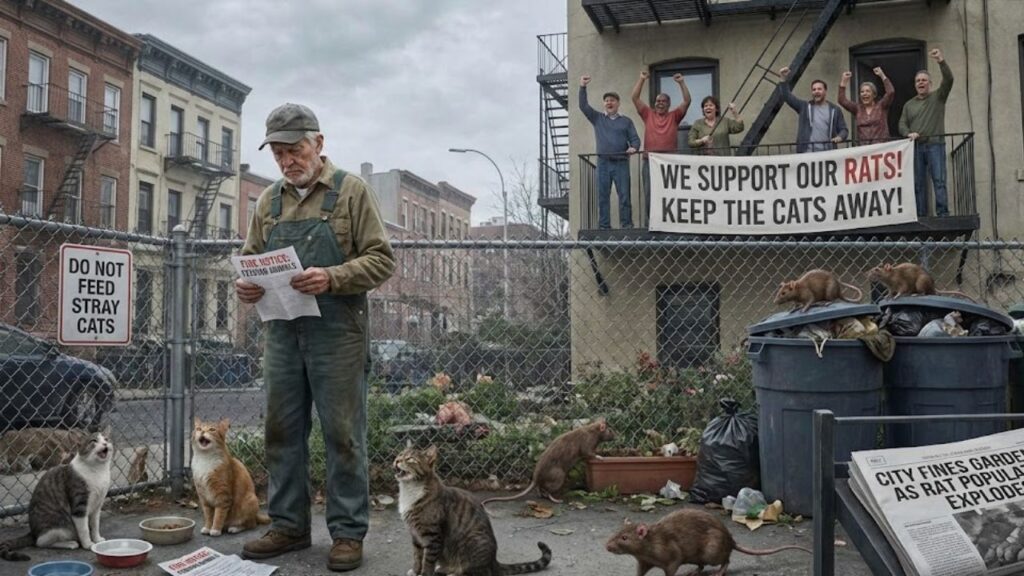
By dusk, it wasn’t just about cats or fines anymore. Children whispered about the “rat parade,” and adults argued in WhatsApp groups. By the weekend, TikTok videos of daring rats darting under streetlights flooded social media, tagging City Hall. The central question loomed: who, exactly, is out of control here?
The Gardener, the Cats, and the Rats: When Kindness Sparks a Public Conflict
On the corner, surrounded by overflowing roses, the gardener known as “Miss Adele” steps outside every evening with a plastic bowl in hand. Her movements are deliberate, as though this ritual has become second nature to her. One, sometimes two, scruffy cats emerge from beneath parked cars, tails held high, their trust earned over time. Neighbors once smiled at this sight, some even filming her for heartwarming Instagram stories.
 Many people don’t realise it, but cauliflower, broccoli and cabbage are varieties of the same plant
Then the rats appeared. Initially, just a few shadows scuttling under trash bins. But soon, entire families were visible racing along the curb. Some neighbors, amused, began counting them from their windows. What began as a kind gesture towards hungry cats now became a scene where rats were seen as the new villains—flourishing in the wake of a burgeoning rat population that seemed to outsmart the city. The divide between human compassion and urban wildlife became stark.

Take the house across the street. A month ago, the owner filmed a group of hefty rats running past his toddler’s scooter on the sidewalk. The video was shared in a local Facebook group, sparking a flurry of comments. Some demanded poison everywhere, while others pointed fingers at those feeding stray cats. The video eventually reached a city inspector, and a week later, Miss Adele received a citation for “unlawfully feeding stray animals” and “contributing to vermin attraction.”
Despite her explanation that the cats themselves hunted rats and that the alley had been overrun with rodents even before she started feeding the strays, the fine remained. Neighbors, anxious and convinced by viral videos of “supersized urban rats,” felt justified in their actions. A simple act of kindness had become public evidence in a case she didn’t realize she was part of.
The underlying reality of this situation is complex. Rats don’t simply appear because one person feeds a few stray cats. They thrive in environments where cities unknowingly provide ample resources: torn trash bags, overflowing dumpsters, abandoned food in parks, and cluttered yards. While the fine makes for a straightforward story, it doesn’t address the daily reality of uncollected garbage or faulty municipal bins. Feeding stray cats may attract rats if food is left out overnight, but starving cats leads to fewer natural predators. Urban ecosystems don’t follow city regulations—they follow the availability of food and shelter.
How to Care for Stray Cats Without Inviting a Rat Invasion
Caring for street cats without turning your neighborhood into a rat buffet is possible. It starts with timing and cleanliness. Feed the cats at specific hours, not “all day for whoever shows up.” Set out food, let the cats eat while you stay nearby, and then pick up the leftovers within 20 to 30 minutes. Avoid leaving bowls out overnight or having mountains of kibble “just in case.”
Use shallow, easy-to-clean bowls placed on hard surfaces, not directly on the soil or hidden in corners where rats are likely to explore. Dry food attracts fewer insects than wet food, and placing the bowls slightly elevated or in visible spots makes them less appealing to timid rodents. While it may not be a perfect solution, it shifts the balance away from the all-you-can-eat buffet that rats adore.
Cleaning Up the Feeding Area and Tackling the Root Cause
Neighbors aren’t typically upset by kindness—they’re upset by mess and fear. When they see piles of half-eaten food rotting behind trash cans, they don’t perceive compassion; they see an infestation. A powerful step is to keep the feeding area clean. Wipe down the space, store food indoors, and avoid leaving food on porches. This will show neighbors that you’re not the reason a rat is seen scurrying down the sidewalk at midnight.

On a broader level, communities that succeed in managing street animals often incorporate structured feeding and Trap-Neuter-Return (TNR) programs. Neutered cats help stabilize and gradually reduce stray populations. Spayed cats also tend to roam less, fight less, and maintain a quieter, more predictable territory. When that territory is managed and kept clean, rats have fewer easy routes to exploit.
As one urban ecologist pointed out, “We don’t have a ‘cat problem’ or a ‘rat problem.’ We have a garbage problem, and we keep blaming whichever animal is easier to point at this week.”
There’s also an emotional element that often doesn’t fit into the confines of a city ordinance. Feeding a cat that has survived harsh winters or injuries isn’t just an act of charity—it’s a relationship. Even if it takes place in the shadows of a yard fence, that little head nudge against your ankle can feel like a tiny, unexpected gift. We all know that moment when an animal’s trust lands on you like a small, precious token.
Practical Steps for Cat Care and Community Harmony
- Feed the cats at regular, specific times, not randomly or overnight.
- Clean the feeding area after every meal to avoid lingering smells and leftovers.
- Talk to your neighbors early on, before complaints escalate to City Hall.
- Reach out to local rescues or TNR groups for long-term solutions to street cat populations.
- Report overflowing bins or broken lids, as rats thrive when they have easy access to trash.
When a Fine Says More About the City Than the Feeding
The storm surrounding Miss Adele isn’t just about cats, rats, or a civil penalty—it reflects how a city chooses to view the situation. Officials saw an individual behavior that could be regulated. They issued a fine and sent a message. Yet, just a few meters away, trash bags sag open on the curb, food spills from torn liners, and restaurant dumpsters sit with lids ajar. The rats aren’t concerned with the fine; they’re focused on the feast.
And so, the neighborhood divides. The “stop feeding” faction cheers every rat sighting, seeing it as proof of their point. The “care for the cats” camp shares photos of kittens hiding in storm drains. Somewhere in the middle stands a weary municipal worker, balancing pressure from taxpayers, health departments, and a budget that never seems to stretch far enough for proper pest control. No one is entirely the villain they’re portrayed as, nor entirely in the right.
Perhaps the deeper question is the kind of street we want to live on. Do we want one where any act of kindness is punished the moment it becomes inconvenient? Or one where people, pets, and even strays are part of a fragile, negotiated peace with the wild creatures that slip through our alleyways? Urban life is about negotiation, not purity. Rats, whether we like it or not, are already part of the conversation, rummaging through every overflowing bin.
The next time a notice appears on a gate, and neighbors cheer from their balconies, it may be worth asking: Are we fixing the problem, or just picking the easiest person to blame?

Key Takeaways
- Hidden Urban Ecosystem: Stray cats, rats, and trash create a delicate balance in every city block. This helps us understand that our streets are part of a larger living system.
- Smart Feeding Practices: Timed, clean feeding with prompt cleanup can help prevent rodent attraction, allowing us to care for animals without sparking conflict with neighbors.
- Shared Responsibility: Rats thrive where waste and neglect provide them cover. This demonstrates where individual actions end, and city policy must step in.
