It was one of those “it looked fine when it was wet” moments. The short bob dried into a fuzzy halo, with uneven waves competing for space and stiff ends sticking out like static-charged threads. Running fingers through it only made things worse. “I just let it air-dry,” she said. “Isn’t that supposed to be better for your hair?” The stylist smiled, pulled an old cotton t-shirt from a drawer, and introduced a technique called plopping. Ten minutes later, the same hair looked softer, rounder, and more polished—almost as if a diffuser had been used. No heat. No crunchy products. Just fabric, gravity, and timing. The real trick wasn’t the products at all, but what happened between wet and dry.
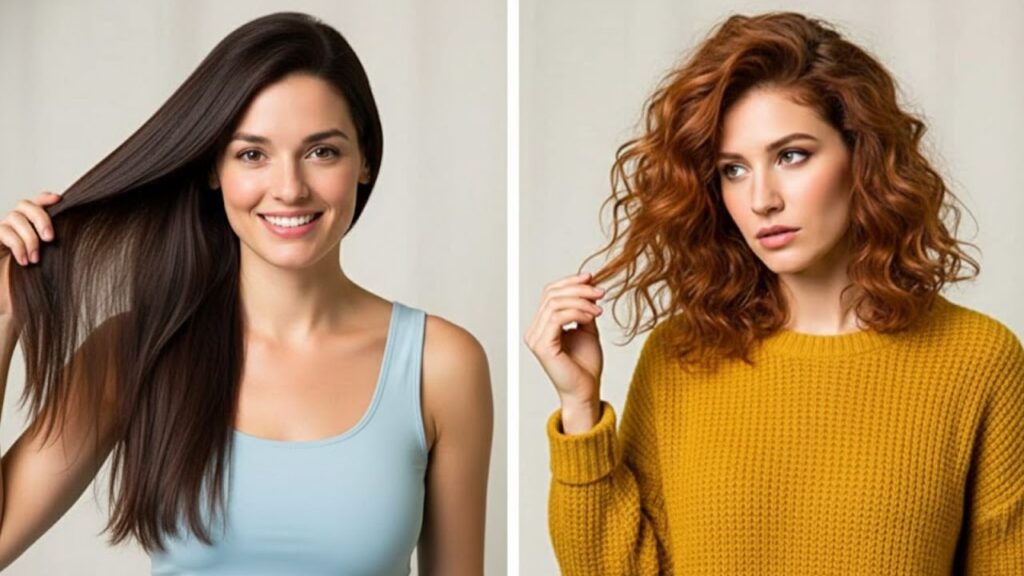
Why Letting Short Hair Air-Dry Often Leads to Frizz
Short hair dries quickly, and that speed is both helpful and harmful. Because the water doesn’t linger, the strands rush through the drying process. The cuticles lift, moisture escapes, and the hair sets instantly in whatever position it’s in at that moment. A towel rub, a breeze, or even how you tilted your head can lock in odd bends and flyaways. From the outside, it simply reads as frizz.
With a short cut, there’s no length to hide behind. Long hair has weight that naturally pulls things smoother. Short hair doesn’t. Each section reacts on its own to humidity, sleep creases, or that habit of touching your fringe. When you step out of the shower and do nothing, you’re letting hundreds of tiny strands interact freely with the air. They rarely agree.

Think of hair like fabric. Long hair behaves like a heavy curtain—it hangs, even if it’s a bit fluffy. Short hair is more like a lightweight linen napkin. It folds, flips, and shows every crease. When it air-dries without guidance, the cuticles dry unevenly. Once set, those lifted cuticles scatter light and snag against each other. That visual noise is what we call frizz. It’s not a mistake. It’s physics.

How T-Shirt Plopping Gently Reshapes Your Texture
The t-shirt plopping method steps in during that chaotic drying window and adds quiet structure. Instead of water pulling the hair straight down, the cotton fabric gathers the hair loosely on top of the head. Roots lift, mid-lengths curve, and ends tuck in rather than flaring out. On short hair, where every centimeter matters, this small shift makes a big difference.
The technique is simple. Lay a soft cotton t-shirt flat with the neckline facing you. Bend forward and let your hair fall into the center, allowing its natural bends to stack upward. Wrap the shirt around your head and tie it gently. No twisting. No tight turban. The fabric should support the shape, not squeeze it. As the cotton absorbs excess water, the hair begins to dry in formation.
Inside that bundle, a lot is happening. Cotton is smoother than a towel, so it doesn’t disturb the cuticle. It removes just enough moisture for styling products to hold, without drying the hair out. Your natural wave, curl, or bend stays in place while the strands set. When you unwrap, the texture looks intentional, not accidental. It feels like a shortcut, but it’s really just controlled drying.
How to Plop Short Hair Without the Awkward Phase
Start right after washing, when the hair is still very wet but not dripping. Gently squeeze out excess water with your hands, then blot with the t-shirt instead of rubbing. Apply your styling product while the hair is damp—a light cream, flexible gel, or curl lotion. Smooth it in with flat palms rather than combing through with fingers. That alone reduces frizz before plopping even begins.
Lay the t-shirt flat, flip your head forward, and let your hair fall naturally into the center. Bring the bottom of the shirt up to cup the back of your head, then tie the sleeves loosely. It doesn’t need to look neat. It just needs to feel secure and soft, with no pulling at the hairline. For short hair, leave it on for about 10 to 20 minutes. Longer than that can trap too much moisture.

When you unwrap, don’t overstyle. Let the hair settle on its own. If something needs adjusting, pinch and lift gently with fingertips instead of brushing. Let it finish air-drying, or use a diffuser on low heat if you’re short on time. Honestly, no one does this every single day. But on the days you do, the difference in softness and definition can be striking.
Common Plopping Mistakes and How to Avoid Them
One frequent mistake is using the wrong fabric. Thick towels or plush microfibre wraps feel cozy, but they’re often too rough or too absorbent. They pull out water too fast and lift the cuticle. A smooth, thin cotton t-shirt or scarf gives a gentler, more controlled dry.
Wrapping too tightly is another issue. When the fabric is pulled snug like a bandage, roots get flattened and bends form at the scalp. That’s how “helmet hair” happens. The wrap should feel relaxed, like a hoodie resting on your head. If you feel tension, loosen it and start again.
Timing matters too. Leaving hair wrapped for too long can leave it overly damp or heavy with product. For short hair, that balance is delicate. As one London stylist put it, “Ten to twenty minutes is usually the sweet spot—long enough to set the shape, short enough to keep movement.”
A Simple Plopping Checklist
- Use a thin, smooth cotton t-shirt instead of a bulky towel.
- Apply styling product on very damp hair, not half-dry strands.
- Wrap loosely to keep lift at the roots.
- Plop for 10–20 minutes, then let it finish drying naturally.
- Touch the hair as little as possible while it dries.
How Plopping Can Change the Way You See Your Short Hair
Plopping isn’t just a technique; it’s a mindset shift. Short hair is often expected to behave because it’s labeled “low maintenance”. When it frizzes or flips out, the instinct is to fight it with heat or strong hold. Plopping changes that approach. Instead of forcing control, you give the hair support and direction while it does what it naturally wants.
Practically speaking, it can turn a stressful morning into a workable one. A quick plop can mean a fringe that curves instead of sticking out, a crown with lift instead of flatness, and ends that tuck in softly. On busy days, that kind of small win often matters more than another expensive product.
There’s also something quietly reassuring about it. Wrapping your hair in a t-shirt for fifteen minutes feels almost ritual-like. You’re adding a bit of order where things feel chaotic. It won’t fix your schedule or your to-do list, but it might give you one small sense of control. And sometimes, that’s exactly what you carry with you when you walk out the door.
 Hair Stops Growing Past a Certain Length With Age - Here’s How to Extend Your Terminal Length Safely
Key Takeaways at a Glance
- Why air-drying causes frizz: Short hair dries quickly, cuticles lift, and strands set in random shapes.
- What t-shirt plopping changes: Soft cotton absorbs water while holding the natural pattern in place.
- How to make it realistic: A loose 10–20 minute wrap with the right fabric and minimal handling.