She looked somewhere between late forties and mid-fifties, difficult to place. Her eyes felt youthful, but the routine around her seemed worn, almost rehearsed. A few seats away, another client was having something entirely different done. There was no sharp chemical scent, no harsh dye line creeping along the scalp. Instead, a stylist worked slowly with a fine brush, blending grey strands into warmer tones with care and focus rarely seen late on a weekday evening. The result wasn’t artificially young. It looked rested and refreshed. As she stood to leave, someone murmured, “You didn’t colour everything?” The stylist smiled gently. “Exactly.”
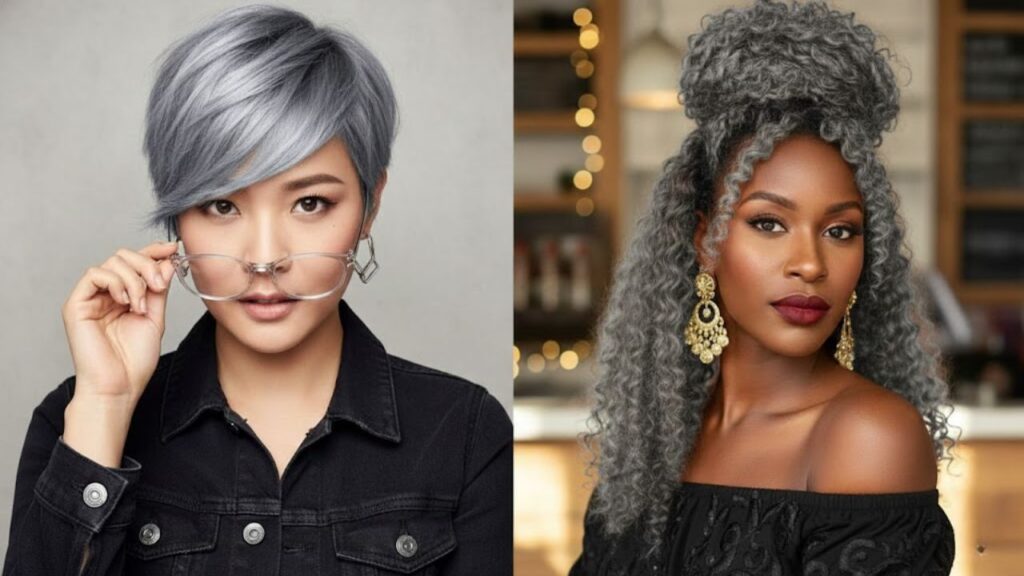
No-Dye Hair and the Rise of Quiet Coverage
Grey hair once left only two choices: hide it completely or wear it boldly. Now, a third option is gaining ground both online and in salons—coverage without full colour. Transparent tints, glosses, toners, and thoughtful cuts allow silver strands to appear deliberate rather than accidental. Stylists describe it as blending, soft coverage, or quiet luxury hair. Clients describe it as relief. Instead of battling every new grey, more people are letting those strands become part of the style itself. The boundary between natural and coloured hair is intentionally softening.
Breaking Free From the Root Touch-Up Cycle
At forty-three, Jessica had been colouring her hair dark brown every four weeks for nearly ten years. She knew the salon routine by heart. The real strain wasn’t only financial—it was the constant anxiety once roots began to show. Her colourist eventually suggested a change: a translucent glaze paired with a softer cut and lighter pieces around the face. After one visit, the harsh regrowth line disappeared. The greys remained, but they looked woven in. Months later, salon visits were fewer, selfies felt kinder, and friends noticed something different—without pinpointing why. Her hair simply stopped looking tired.

Why Blending Works Better Than Full Coverage
Traditional permanent colour creates a stark contrast: freshly dyed or visibly grown out. Blending removes that harsh divide. Semi-permanent glosses fade gently. Subtle highlights around the face shift attention away from grey at the part. Even the right haircut can change how noticeable silver appears. The growing goal isn’t eliminating grey entirely, but achieving grey that flatters. Shine, movement, and tones that suit the skin now matter more than clinging to a shade from years ago.
 3I/ATLAS Radio Signal Reported - What a Strange Signal Could Mean for the Interstellar Comet
From Box Dye Burnout to Subtle Visual Tricks
The change often begins quietly. Opaque, heavy colour gives way to sheer, light-reflecting tones. Clear glosses, soft beige toners, and gentle plant-based stains add warmth without masking everything. Grey hair remains, but light behaves differently, making hair look healthier and fuller. The effect isn’t concealment—it’s distraction, and the eye happily follows.
This shift isn’t limited to elite salons. Many stylists report that a majority of grey-coverage clients now choose partial highlights, lowlights, or gloss-only appointments. In smaller towns, clients ask to step off the endless cycle of root touch-ups. Strategic highlights and soft glosses leave natural salt-and-pepper intact, creating reactions that focus on how rested and bright someone looks—rather than their hair colour itself.
The Science and Psychology Beneath the Trend
Permanent dyes alter hair structure over time, roughening the cuticle and dulling shine. Ironically, this can make hair look older regardless of colour accuracy. Lighter, semi-permanent formulas sit closer to the surface, reflecting light instead of fighting it. Emotionally, loosening strict colouring schedules removes a quiet stress many people carry for years. Grey blending allows ageing to happen in public, while still choosing how polished you want to feel.
Practical Techniques and Common Pitfalls
For those ready to step away from full dye, toners and glosses are the simplest start. A translucent glaze slightly warmer or cooler than your natural shade can soften coarse greys. Pair this with a cut shaped around where grey naturally appears, letting brighter sections frame the face. The healthiest, shiniest hair should sit where attention naturally falls.

Supportive habits at home help maintain the effect. A purple or blue shampoo used sparingly prevents dull yellow tones. Lightweight masks with argan or squalane smooth frizz so silver reflects light cleanly. Overloading hair with heavy products often backfires, leaving it flat and lifeless. A few realistic steps repeated consistently matter far more than elaborate routines.
A Slower, Kinder Transition
Common missteps include clinging to a former shade that no longer suits the skin or attempting to quit dye abruptly, creating harsh contrast. A gradual approach is easier on both hair and confidence. Many stylists now design long-term transition plans, adding lighter pieces over time, spacing appointments further apart, and softening old colour with toners. Progress doesn’t need to be linear.
“The aim isn’t to look twenty-five,” says Maria, a colourist in Barcelona. “It’s to look like you slept well and lived this week.”
- Begin with a gloss or toner before drastic changes.
- Be honest about maintenance limits and patience.
- Use reference photos showing blended, visible grey.
- Allow two to three months before judging results.
Grey Hair, Lighter Energy
Soft grey coverage speaks to more than appearance. It reflects how people want to be seen while ageing—balancing familiarity with freedom. There’s comfort in recognising yourself, and relief in letting go of constant upkeep. Confidence often shows in the woman with silver at her temples and a sharp cut, walking without fear of bright lights.
That moment of surprise in a shop window—an extra line, another white strand—used to trigger panic. Increasingly, it sparks curiosity instead. Can this be softened rather than erased? Can ease replace effort? That question fuels the quiet spread of grey-blending inspiration across social feeds.
This approach resonates because it feels achievable. It requires good consultation, patience, and the decision to leave some grey visible on purpose. The reward isn’t frozen youth, but something more believable—hair with movement, forgiving colour, and a face that belongs to the present. Sometimes, looking younger begins by ending the fight.

Key Points at a Glance
- Grey blending over full coverage: Uses glosses, toners, and highlights to soften regrowth and refresh appearance.
- Emphasis on shine and cut: Texture and reflection matter more than precise colour matching.
- Gradual transition strategy: Spacing appointments and easing out old dye makes change manageable and flattering.