Cooking styles often spark unexpected judgments, and psychology suggests that people who clean as they cook can quietly divide opinions. In many Indian households, where kitchens are social spaces and routines are deeply personal, this habit can be seen as either thoughtful or silently critical. Some view constant wiping and washing as efficiency, while others read it as pressure or disapproval. The debate isn’t really about dishes at all—it’s about personality, boundaries, and how small habits are interpreted by others sharing the same space.
Why “clean as you cook” habits trigger judgment
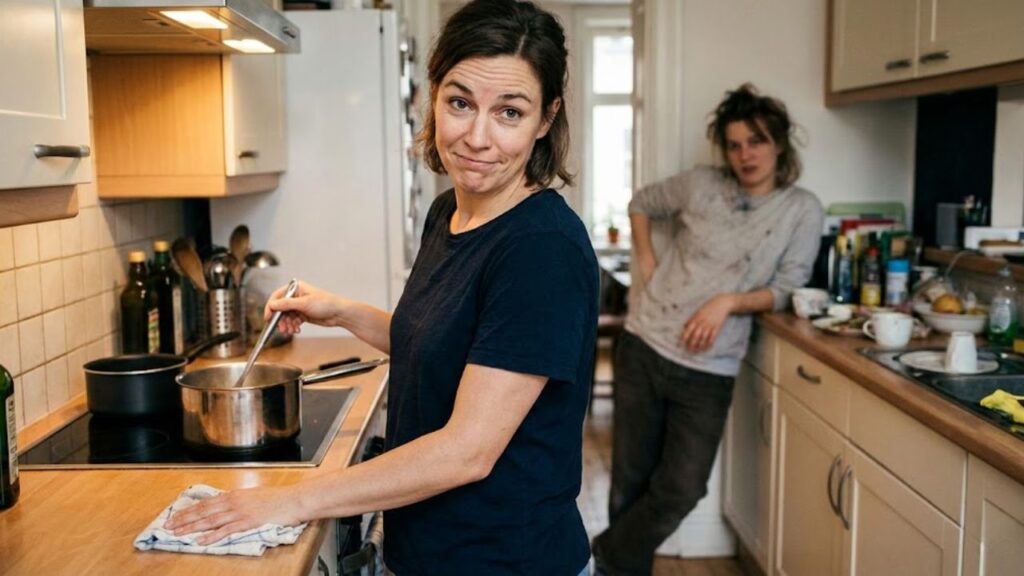
Psychologists note that people who tidy up while cooking often value orderly environments, which can unintentionally send signals to others. When someone reaches for the sponge mid-recipe, observers may sense unspoken standards being set. This isn’t always intentional, but it can feel like silent evaluation to those who prefer focusing solely on cooking first. In shared Indian kitchens, where multiple generations cook together, this behavior may clash with traditional, relaxed approaches. The cleaner may simply want mental clarity, yet others interpret it as impatience or superiority. Over time, these mixed signals can lead to kitchen tension, even though no words are exchanged.
Psychology explains the traits behind cleaning while cooking
From a psychological angle, cleaning as you cook often reflects traits like high self-control and a desire for predictability. These individuals usually dislike chaos and feel calmer when mess is minimized. However, others may perceive this as perfectionist energy, especially if comments or sighs accompany the cleaning. Research links this habit to future-oriented thinking, where people plan ahead to avoid later stress. In contrast, those who cook freely may value creativity over structure. The clash happens when personal coping styles collide in a shared space, turning a neutral habit into a source of judgment.
 World first in quantum physics as German team recreates a Josephson junction using a laser
How cleaning-as-you-cook divides opinions at home
At home, this habit can create clear sides. Supporters admire the efficient workflow and enjoy ending meals with a clean kitchen. Critics, however, feel rushed, sensing implicit criticism for their messier style. In Indian families, where cooking is often communal, this can affect harmony. Some see the cleaner as responsible, others as controlling. Psychology suggests these reactions stem from social comparison, where habits become benchmarks. Without open conversation, emotional assumptions grow, and a simple cleaning habit starts shaping how people judge each other’s character.

What psychology really says about this habit
Ultimately, psychology doesn’t label cleaning-as-you-cook as good or bad. It highlights how habits become symbols. For the cleaner, it’s about stress management and staying focused. For observers, it may trigger perceived superiority or self-doubt. These interpretations are shaped by culture, past experiences, and shared expectations. In Indian households especially, respecting different cooking rhythms matters. Understanding that this behavior reflects internal comfort rather than judgment can reduce friction. When people recognize the habit meaning gap, kitchens become friendlier spaces again.
| Cooking Style | Common Trait | How Others Feel |
|---|---|---|
| Clean as you cook | Organized | Inspired or judged |
| Mess-first cooking | Creative | Relaxed or pressured |
| Shared cleanup later | Collaborative | Balanced |
| Solo cooking | Independent | Neutral |
Frequently Asked Questions (FAQs)
1. Is cleaning while cooking a psychological trait?
Yes, it’s often linked to organization, stress control, and planning preferences.

2. Why do people feel judged by this habit?
Because it can signal unspoken standards in shared spaces.
3. Is this common in Indian households?
Yes, especially in multi-generational kitchens with different routines.
4. Can this habit cause conflict?
It can, if expectations aren’t communicated openly.