A powerful winter storm warning has been issued as forecasters warn that up to 70 inches of snow could fall in parts of the United States, an amount rarely linked to a single weather event. Meteorologists say this system combines intense moisture with prolonged cold, creating conditions for historic snowfall totals. Communities in mountainous and northern regions are being urged to prepare early, as such extreme accumulation can disrupt travel, utilities, and daily life for days. Understanding what this warning means and how it could unfold is critical for residents in the storm’s projected path.
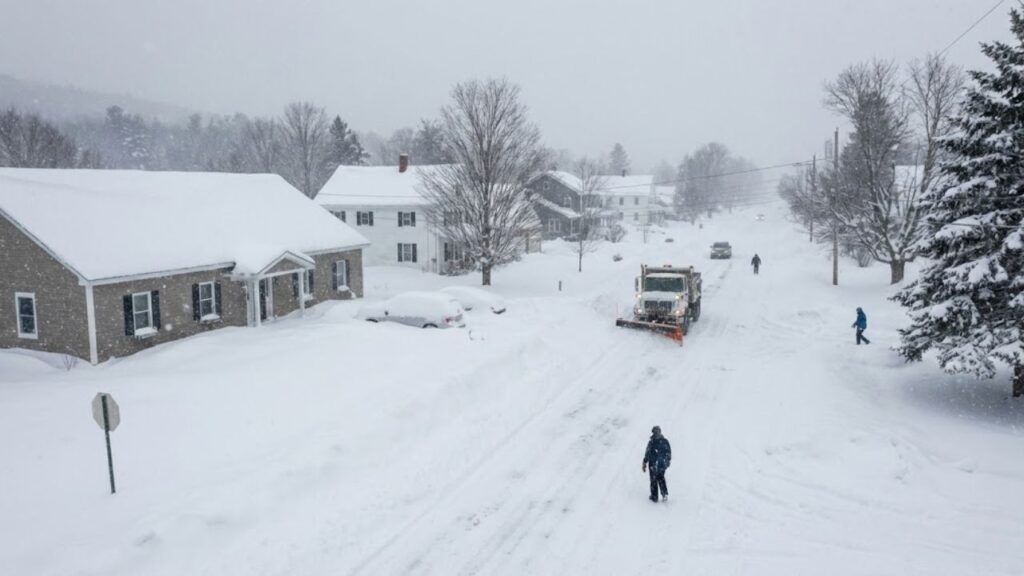
Winter storm warning highlights extreme snowfall risk
The current winter storm warning stands out because of the sheer scale being discussed. Forecast models suggest historic snowfall totals are possible if the system stalls over higher elevations. Unlike typical storms that pass within hours, this one may bring prolonged snow bands that continue dumping snow day after day. Meteorologists are also tracking moisture-rich air colliding with Arctic cold, a combination that maximizes accumulation. For residents, this raises concerns about road closures likely and extended isolation, particularly in rural areas where access can be limited once heavy snow sets in.
70 inches of snow could reshape local conditions
If snowfall approaches the upper estimates, communities could face challenges rarely seen in a single storm. Accumulations of this size can strain roofs, overwhelm snow removal, and lead to power outage threats as lines sag under the weight. Emergency officials warn that travel disruptions widespread are almost certain, with highways and mountain passes potentially closed for long stretches. There is also concern about avalanche danger rising in steep terrain. Even after the snow stops, cleanup efforts extended may last weeks, affecting schools, businesses, and supply deliveries.

Why this winter storm warning is so unusual
What makes this warning exceptional is not just the total snow, but how it may fall. Experts point to slow-moving storm system behavior, allowing snow to pile up instead of tapering off. Climate patterns have aligned to produce record-setting potential in certain regions, something usually seen once in a generation. Forecasters also note temperature profiles ideal for dry, dense snow that stacks quickly. Because of this, forecast confidence growing has prompted earlier and stronger alerts than usual to give communities more time to prepare.

What residents should take away from this forecast
This developing situation underscores how quickly winter weather can escalate. A storm capable of producing such volumes demands attention, preparation, and patience. Residents are advised to monitor updates closely, limit nonessential travel, and plan for possible service interruptions. While not every area will see the highest totals, the potential impact remains serious across the warning zone. Understanding the risks and acting early can reduce dangers and stress. In events like this, clear information, community readiness, and realistic expectations are key to getting through safely.
| Impact Area | Expected Snowfall | Main Concern |
|---|---|---|
| Mountain regions | 50–70 inches | Avalanche risk |
| Northern towns | 30–50 inches | Road closures |
| Urban outskirts | 15–30 inches | Power outages |
| Valley areas | 10–20 inches | Travel delays |
Frequently Asked Questions (FAQs)
1. What does a winter storm warning mean?
It signals that dangerous winter conditions are expected and immediate preparation is advised.

2. Will all areas receive 70 inches of snow?
No, the highest totals are expected in specific regions, especially higher elevations.
3. How long could the storm last?
Forecasters say snowfall could continue for several days in the hardest-hit areas.
4. What should residents do now?
Stay updated on forecasts, avoid unnecessary travel, and prepare for possible outages.