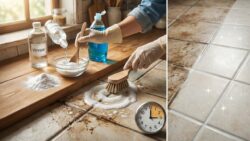
Old wooden furniture often carries sentimental value, but years of dust, dryness, and dull buildup can make it look tired and neglected. In the United States, restoration experts are increasingly recommending a simple homemade solution that brings life back to these pieces without harsh chemicals. Using a microfiber cloth soaked in an easy DIY mixture, homeowners are discovering that they can revive tables, cabinets, and dressers with minimal effort. This approach focuses on gentle cleaning and nourishing the wood, helping restore its natural glow while preserving its original character.
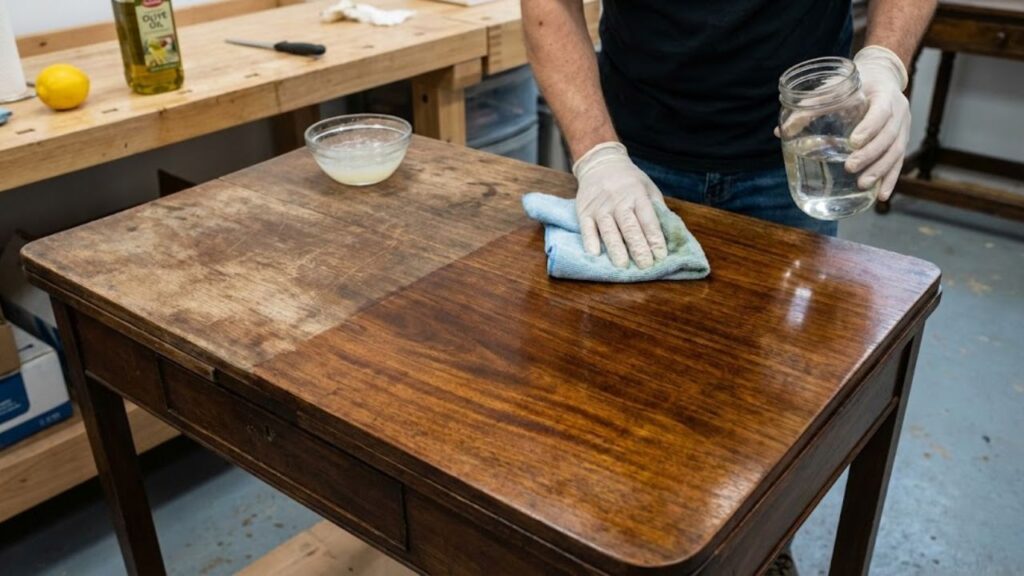
Homemade solution for restoring old wooden furniture
The beauty of this method lies in its simplicity and effectiveness. Restoration professionals explain that a basic blend of household ingredients can gently lift grime while feeding dry wood. When applied with a microfiber cloth, the solution spreads evenly, preventing scratches and streaks. The process supports gentle surface cleaning while encouraging natural wood hydration. Many users notice improved grain clarity almost immediately, along with reduced surface dullness. Because the mixture avoids abrasive chemicals, it also helps maintain long-term wood integrity, making it suitable for antiques and everyday furniture alike.
Why microfiber cloths work best on wooden furniture
Microfiber cloths are a key part of why this technique works so well. Their fine fibers trap dust instead of pushing it around, allowing for even solution distribution across the surface. Experts highlight that microfiber supports scratch-free application, which is crucial for older finishes. The cloth’s absorbent nature enables controlled moisture use, reducing the risk of water damage. Over time, consistent use can lead to noticeable shine improvement without stripping the finish, making microfiber a preferred tool in professional and home restoration routines.
 A new set of eight spacecraft images reveals the interstellar comet 3I ATLAS in astonishing clarity
How experts revive wood furniture safely at home
Professionals emphasize technique as much as ingredients. The solution should be lightly damp, never dripping, to avoid soaking the wood. Working in small sections encourages consistent finish revival while allowing close attention to detail. Gentle circular motions promote deep grime removal without stressing the surface. Experts also advise patience, noting that gradual color restoration often looks better than aggressive polishing. When done correctly, the method supports safe DIY restoration that respects both modern and vintage furniture finishes.

What this simple method means for everyday furniture care
This approach reflects a shift toward practical, low-risk furniture maintenance. Instead of expensive treatments, homeowners can rely on affordable home care methods that fit regular cleaning routines. Over time, the practice encourages preserved furniture value and reduces the need for refinishing. It also supports sustainable cleaning habits by minimizing chemical use. Most importantly, the method promotes confidence in restoration, showing that professional-looking results are possible with simple tools and thoughtful care.
| Furniture Type | Recommended Frequency | Expected Result |
|---|---|---|
| Dining Tables | Once every 2 weeks | Brighter surface finish |
| Dressers | Monthly | Reduced dryness |
| Coffee Tables | Weekly | Improved shine |
| Antique Cabinets | Every 6–8 weeks | Preserved original look |
Frequently Asked Questions (FAQs)
1. What ingredients are typically used in the homemade solution?
Most solutions combine mild oil and vinegar or soap to clean and nourish wood.

2. Is this method safe for antique furniture?
Yes, when used gently, it is commonly recommended for older, delicate pieces.
3. Can this replace commercial wood polish?
For regular maintenance, it often delivers similar results without harsh chemicals.
4. How long does the restored finish usually last?
With proper care, the refreshed look can last several weeks between applications.