Doctors, regulators, and nutrition experts across Europe are now rallying around a surprising solution for sluggish digestion: the humble kiwi.
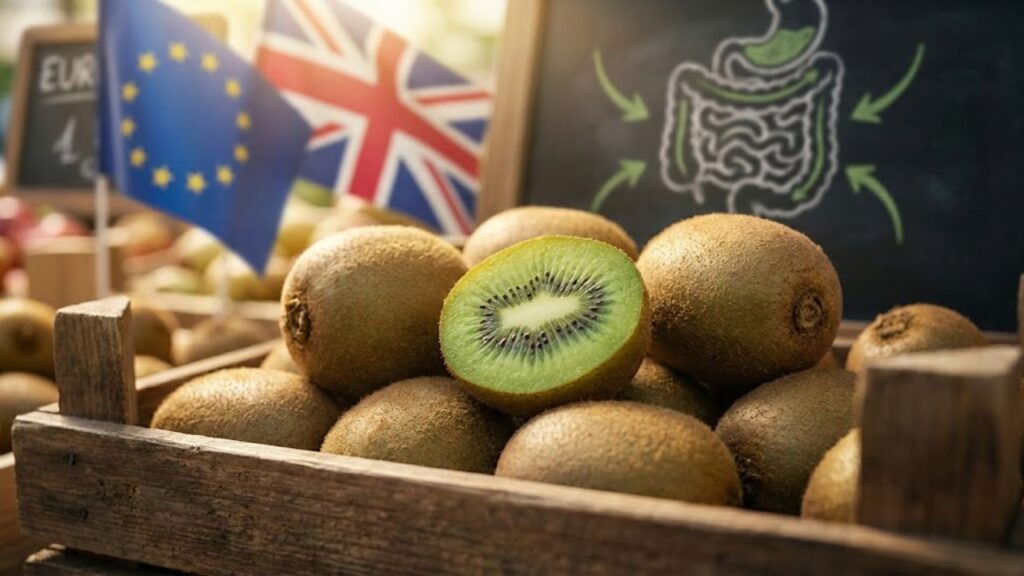
Brussels Approves Kiwi’s Health Benefits
The European Commission has officially endorsed green kiwifruit with the first-ever health claim for a plant-based food linked to bowel function. This is a rare approval, as health claims on food packaging typically undergo rigorous scientific scrutiny.
The EU’s regulators state that consuming green kiwifruit “contributes to normal intestinal function by increasing stool frequency.” This ruling, published in the Official Journal of the European Union on 30 July 2025, allows kiwis to be marketed across the EU with this specific health claim, as long as the required conditions are met.
 Baking soda becomes the unexpected remedy for wrinkles and dark circles say beauty specialists
How Much Kiwi Is Needed?
The European health claim stipulates that a daily intake of 200 grams of fresh green kiwifruit flesh is necessary to qualify for the digestive benefits. But what does 200 grams look like in real terms?

- 200 grams of fresh kiwi = 2 to 3 average-sized kiwis
- Ideally spread throughout the day or eaten in one sitting
- Best consumed fresh, not heavily processed or cooked
This quantity is based on clinical studies focusing on constipation relief and stool frequency, making it a scientifically backed recommendation.
The NHS Confirms Kiwi’s Digestive Benefits
Meanwhile, across the English Channel, the UK’s National Health Service (NHS) has updated its guidance on constipation and digestive health, now including kiwis alongside traditional recommendations like staying hydrated, regular walking, and eating whole grains.
Dr. Eirini Dimidi, a nutrition scientist at King’s College London and lead author of the NHS’s new bowel health guidelines, suggests that “eating two or three kiwis per day, or 8 to 10 prunes, can help alleviate constipation.” She emphasizes that even peeled kiwi retains a significant amount of fibre, while the green flesh continues to deliver essential gut-friendly compounds.
Why Kiwi Stands Out in Digestive Health
Green kiwifruit, scientifically known as Actinidia deliciosa, has long been recognized for its vitamin C content. But now, it’s gaining attention for its unique combination of three key features that benefit digestion in different ways.
Fibre for Digestive Health
Kiwis are rich in both soluble and insoluble fibre. Insoluble fibre adds bulk to stools and helps them move through the colon, while soluble fibre absorbs water, softening stools and making them easier to pass. This combination can help individuals with mild to moderate constipation experience more regular bowel movements with less straining.
Actinidin: A Natural Digestive Aid
In addition to fibre, kiwis contain an enzyme called actinidin, which helps break down certain food proteins in the stomach and small intestine. This enzyme may support faster digestion, reducing the uncomfortable “stuck” feeling after meals. Though research is still ongoing, several small clinical trials suggest that eating kiwifruit can improve gastric comfort, particularly for those with slow digestion.
Hydration, Vitamins, and a Gentle Effect
Kiwis are also high in water content, helping to hydrate the gut and soften stools. They are packed with vitamin C and antioxidants, offering additional benefits for overall health. Unlike stimulant laxatives, kiwis work gently, adjusting stool consistency and frequency without causing sudden urgency.
Nutritional Breakdown (per 2-3 kiwis)
- Fibre: Adds bulk to stools and improves regularity.
- Vitamin C: Supports immune function and tissue repair.
- Water content: Helps soften stools and aid digestion.
- Actinidin: Assists with protein digestion and enhances gastric comfort.
Constipation: A Common, Long-Term Issue
Chronic constipation, defined as symptoms lasting over six months, affects a significant portion of the population. Data from French gastroenterologists shows that around 16% of adults experience chronic constipation. Among children, the rate is nearly 9%, and in those over 60, about one-third may suffer from it.
For many individuals, constipation is not just an occasional inconvenience but a daily issue that impacts comfort, mood, social interactions, and even sleep. Traditional advice has always emphasized eating plenty of vegetables and fruits, drinking fluids, exercising regularly, and avoiding constipating medications. Now, kiwis are emerging as a specific, scientifically supported addition to this longstanding advice.
How to Incorporate Kiwis Into Your Daily Routine
For someone dealing with slow digestion, eating two or three kiwis a day might sound either simple or challenging, depending on their current diet. However, with a few small adjustments, meeting this target is more achievable.

- Breakfast: 1 kiwi sliced over porridge or yogurt.
- Mid-morning: 1 kiwi as a snack, instead of biscuits.
- Dinner: 1 kiwi for dessert, paired with a handful of nuts.
While some people prefer ripe, softer kiwis for their sweeter taste and easier digestion, others may enjoy them firmer. Both forms provide the same beneficial compounds.
To Peel or Not to Peel?
Kiwi skin is edible and provides extra fibre. Those concerned about pesticide residues can wash the fruit thoroughly or opt for organic kiwis. Dr. Dimidi stresses that even without the skin, the flesh still offers valuable fibre and actinidin.
People with a history of oral allergies to kiwi, latex sensitivity, or severe food allergies should consult a healthcare professional before incorporating large amounts of kiwi into their diet.
Kiwi’s Place Among Other Gut-Friendly Foods
Although kiwis are not the only fruit known to support digestive health, they are certainly among the most effective. Prunes, pears, and figs share a similar reputation due to their fibre and sorbitol content. The NHS guidelines equate 8 to 10 prunes with 2 to 3 kiwis in terms of bowel health benefits.
Other foods that support digestion include whole grains, rye bread, legumes like lentils and chickpeas, and magnesium-rich waters. When combined with these foods, kiwis can play a key role in maintaining regular digestion.
The Social Media Fiber Craze
Gut health has become a popular buzzword on social media, with influencers promoting fiber supplements, detox teas, and smoothies. Among all the noise, dietitians have welcomed the renewed focus on simple, natural, high-fiber foods like whole grains, vegetables, and kiwis.
Unlike many viral trends, the benefits of kiwi for digestion are backed by scientific studies and formal regulatory reviews. Both the EU health claim process and NHS guidelines rely on peer-reviewed research, not just online testimonials.
When Kiwi Can Help – and When to Be Cautious
For example, a 68-year-old who has struggled with constipation for years and regularly uses over-the-counter laxatives could see improvement by introducing two kiwis daily. Combined with switching from white toast to rye bread and drinking magnesium-rich water, this small change could reduce reliance on medications.
For children with constipation, pediatricians often recommend food-based strategies before turning to stronger treatments. One kiwi at breakfast and another as an afternoon snack can gradually improve digestion. Supervision is important, especially if there’s abdominal pain or blood in the stool.
For those with irritable bowel syndrome (IBS), kiwis may offer relief, but their effectiveness can vary. Some IBS patients find them helpful in reducing bloating, while others may experience gas if they consume too much fruit too quickly. Gradually increasing kiwi intake can help minimize discomfort.
Key Takeaways
Transit time refers to how quickly or slowly food passes through the intestines. Short transit time leads to looser stools, while long transit time can cause hard stools and straining.
For many people, small changes like eating two kiwis daily, drinking more water, taking daily walks, and switching to wholegrain bread can collectively improve digestive health without drastic lifestyle changes. Those on constipating medications should consult their doctor, but adding kiwis can help ease symptoms and improve overall gut comfort.