Stopping to say hello to a dog you’ve never met might seem like a small, spontaneous habit, but psychologists say it can quietly reveal a lot about who you are. In the United Kingdom, where dog ownership and daily walks are part of everyday life, researchers have been paying closer attention to how people interact with unfamiliar animals in public spaces. These brief encounters often reflect deeper emotional patterns, social confidence, and personal boundaries. What looks like a friendly gesture may actually point to very specific personality traits hiding in plain sight.
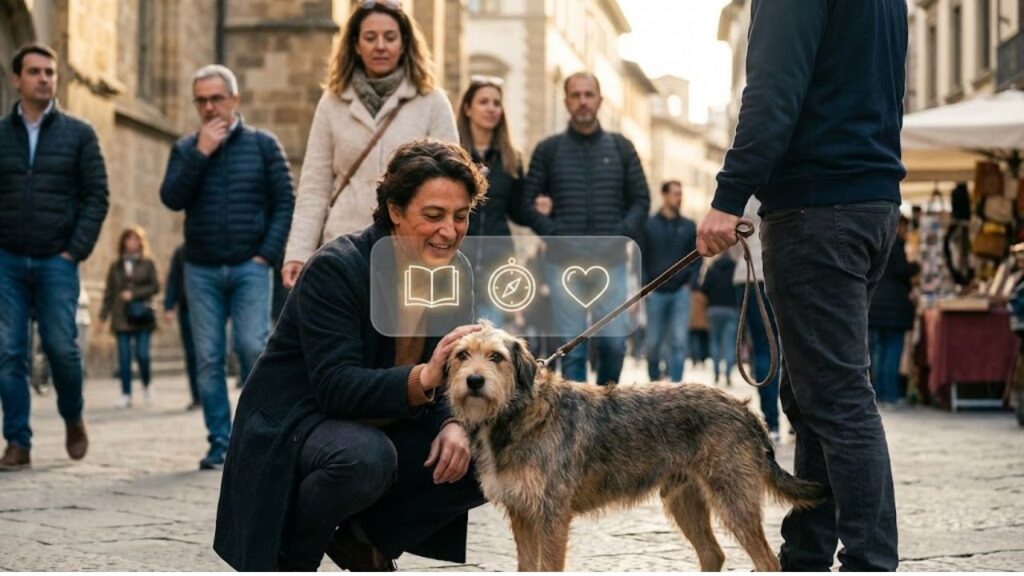
Greeting unfamiliar dogs and what it says about your social nature
Psychologists suggest that people who naturally greet unfamiliar dogs often display strong approach behaviour in social settings. This doesn’t mean they are reckless, but rather that they are comfortable initiating contact without guaranteed outcomes. Such individuals tend to show high social curiosity, enjoying brief connections even when no conversation is expected. Studies link this habit to a healthy level of risk comfort, as approaching an unknown animal requires quick judgment and trust. There is also evidence of heightened sensitivity to empathy cues, as these people instinctively read body language before acting. Together, these traits paint a picture of someone socially open yet emotionally aware.
Personality traits linked to greeting dogs you don’t know
Regularly greeting dogs you don’t know is often associated with subtle openness signals that go beyond friendliness. Psychologists note that these individuals usually have strong boundary awareness, knowing when to step back if a dog or owner seems uncomfortable. This balance hints at developed emotional intelligence, where intuition and restraint work together. Another linked trait is skill in nonverbal reading, as dogs communicate entirely through posture and movement. Rather than being impulsive, many dog-greeters are careful observers who enjoy low-pressure social moments that still feel meaningful.
Why greeting strange dogs reflects emotional confidence
Initiating contact with a strange dog can reflect healthy confidence calibration rather than boldness for its own sake. Psychologists argue this behaviour shows strong self regulation, since the person assesses safety before acting. It also points to sharp context judgment, understanding when a greeting is appropriate and when it’s not. Many people who do this comfortably demonstrate quiet social courage, preferring authentic micro-interactions over forced conversation. These small choices suggest emotional steadiness, where curiosity doesn’t override respect, and confidence remains flexible rather than rigid.
What these small interactions reveal overall
From a psychological perspective, greeting unfamiliar dogs highlights how everyday microchoices can act as personality mirrors. These moments often reveal habitual warmth without the need for words or long engagement. Rather than labeling someone as simply “a dog person,” experts see this behaviour as a window into emotional balance and thoughtful spontaneity. When paired with reflection, it can even increase self awareness, helping people understand how they navigate trust, curiosity, and boundaries in daily life.
| Observed Behavior | Linked Personality Trait | Psychological Insight |
|---|---|---|
| Greeting unfamiliar dogs | Social openness | Comfort with brief interactions |
| Reading dog body language | Emotional awareness | Strong nonverbal sensitivity |
| Respecting owner cues | Boundary control | Balanced confidence |
| Choosing calm approach | Self-regulation | Thoughtful decision-making |
Frequently Asked Questions (FAQs)
1. Does greeting unfamiliar dogs mean someone is an extrovert?
No, it often reflects emotional comfort rather than classic extroversion.
2. Is this behavior linked to empathy?
Yes, psychologists associate it with strong sensitivity to nonverbal cues.
3. Can avoiding unfamiliar dogs indicate negative traits?
Not at all, as caution can simply reflect personal boundaries or past experiences.
4. Do psychologists see this habit as meaningful?
Yes, they view it as a small but telling indicator of social and emotional style.