
The first time I made this light apple cake, the kitchen looked like a midweek disaster zone. My laptop was still open on an unfinished email, school bags were slumped by the door, and the clock was creeping toward 8 p.m. Three apples sat in the fruit bowl, already starting to wrinkle, seconds away from being thrown out. I felt that familiar pull between what I should do and how tired I actually was.
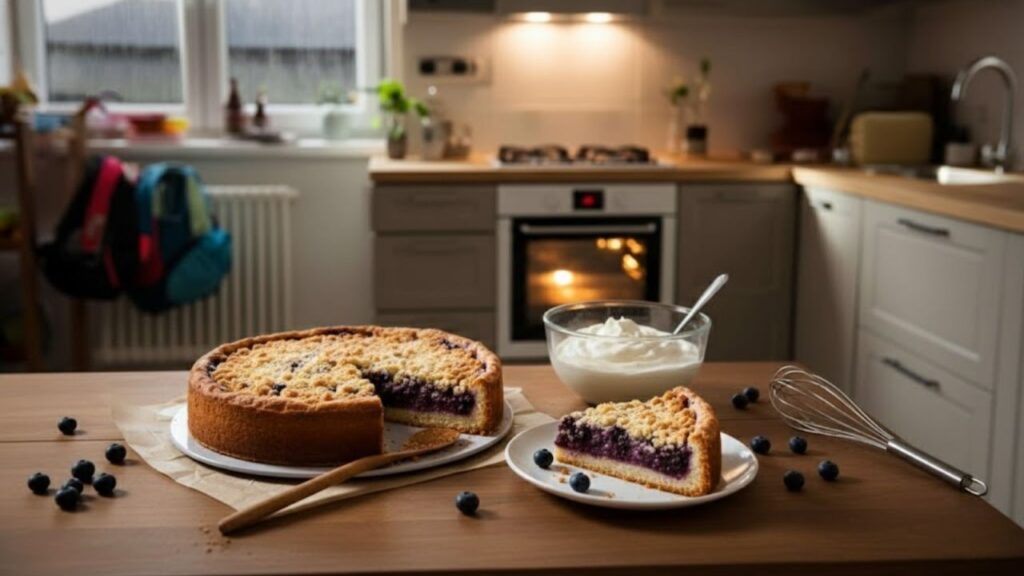
Then muscle memory took over. One bowl. A splash of oil. A pot of yogurt. A few spoonfuls of flour and sugar. No butter to soften, no mixer, no complicated steps. Just a wooden spoon and about ten real minutes. As the oven warmed the room, the batter was already done, and the air smelled unexpectedly like a calm Sunday afternoon.
Fifteen minutes of effort, at most. And suddenly, dessert didn’t feel like a chore anymore.
 Trimming Every 6 Weeks Can Make Hair Look Longer - It Stops Split Ends From Crawling Up the Shaft
Why this light apple cake works in real life, not just online
A quiet shift is happening in home kitchens. Less time, fewer ingredients, and recipes that don’t demand all your focus at the end of a long day. This apple cake with yogurt and oil fits that reality perfectly.

There’s no glossy glaze, no flawless layers, no pressure to impress anyone. Just a soft crumb, juicy apple slices, and that gentle vanilla aroma that feels more like home than any scented candle. It’s the kind of cake that understands you walked in at 7:30 p.m. with groceries in one hand and zero energy left.
This cake isn’t trying to win awards. It’s here to rescue an ordinary Wednesday night.
Imagine this instead: a gray, slightly irritating rainy Sunday. Guests are arriving in an hour, the fridge is nearly empty, and your best dessert idea so far is… plain yogurt. Then you spot two apples, a forgotten yogurt cup, and a small bottle of neutral oil. Nothing impressive.
You slice the apples quickly, peel some, leave others with the skin on for color. One bowl: eggs, sugar, yogurt, oil, flour, baking powder. Stir. Pour. Nestle the apple slices on top like small boats floating on pale batter. While you clear the table, the cake rises, the edges gently caramelize, and the smell drifts down the stairwell.
Guests arrive, umbrellas dripping, laughter filling the room. Someone asks, “What did you bake?” and for a moment, it feels like you got away with something.
The quiet magic of this cake is all about balance. Oil keeps the crumb soft and moist for days, unlike butter-heavy cakes that dry out quickly. Yogurt adds lightness and a subtle tang that lifts the flavors without overpowering them. Apples bring weight exactly where it’s needed, creating pockets of sweetness while the crumb stays airy instead of dense.
- Why people who feel focused often reduce one type of visual input
- A hairdresser shares an uncomfortable truth about short hair after 50
- 11 phrases deeply selfish people often use without realizing it
- 6 benefits of persimmons and why they deserve more space on our plates
- Hygiene after 65: the shower routine that supports long-term wellbeing
- A 100-year-old woman reveals the daily habits that keep her thriving
- Your bathroom routine may reveal more about your health than you think
- Always cold at home despite the heat? Experts explain why
This combination also removes the small obstacles that usually stop weeknight baking before it starts. No waiting for butter. No long mixing sessions. Just a bowl, a whisk, a lined pan, and enough energy to stir for a minute. Simplicity is the only dessert strategy that survives real life.
If a recipe demands your full attention on a Tuesday night, it rarely stays in rotation.
The simple method that makes this cake hard to ruin
Start with the base. In a large bowl, whisk 2 eggs with about 100 g of sugar until slightly foamy. It doesn’t need to look pale or perfect. Add 125 g plain yogurt, 70 ml neutral oil (sunflower, grapeseed, or light olive), and 1 teaspoon vanilla extract. Stir until smooth.
Sift in 160 g flour, 8 g baking powder, and a small pinch of salt. Fold gently until no dry spots remain. The batter should be thick but pourable, forming a slow ribbon. Pour into a greased or parchment-lined round pan, about 20–22 cm wide.
Now the apples. Slice 2 to 3 medium apples thinly and arrange them on top, neatly or casually. The cake will handle the rest.
Most problems with this type of cake come from the same places. The first is oven heat. Bake at 170–180°C (340–355°F) for about 30–40 minutes. If the top browns too fast while the center stays raw, the oven was simply too hot or the pan too small.

The second issue is excess flour. Adding “just one more spoon” can turn a soft cake dense. Trust the texture. The batter should look slightly loose. Yogurt firms up as it bakes, apples release juice, and everything settles into balance.
We’ve all had that moment where a simple cake suddenly feels like a test we didn’t study for.
The most comforting recipes are often the ones that forgive small shortcuts, rough measurements, and skipped garnishes.
Small tips that make a noticeable difference
Use room-temperature ingredients. Cold yogurt can stiffen the batter and slow the rise. Let it rest on the counter for about 10 minutes. Your reward: an even, gentle rise.
Choose complementary apples. Combine a sweet variety like Gala with a slightly tart one such as Granny Smith. Your reward: more depth without extra work.
Add one personal touch. A pinch of cinnamon, some lemon zest, or chopped almonds on top is enough. Your reward: a cake that feels uniquely yours.
Let the cake rest before slicing. Ten minutes on a rack allows the crumb to set. Your reward: cleaner slices and fewer crumbs.
Bake once, enjoy twice. This cake tastes even better the next day, lightly chilled or gently reheated. Your reward: an effortless snack for coffee breaks or lunch boxes.
A quiet, light cake that reshapes your dessert routine
This recipe doesn’t arrive with drama. It slowly slips into your routine and becomes the cake you always end up making. It works for last-minute guests, a spontaneous Sunday visit, or the afternoon question: “Is there anything sweet?” while staring into an empty tin.
It also has a practical way of using what’s already there. Soft apples, the last spoonfuls of yogurt, that half-used bottle of oil in the cupboard. Ordinary ingredients that finally cooperate.
What lingers most is the sense of ease. Dessert doesn’t have to feel like a performance to feel like care. You can stir this cake while helping with homework, chatting on the phone, or mentally replaying the day.
No one does this every single day. But knowing you could—that the steps are simple, the effort small, and the outcome reliable—changes how you look at those apples slowly aging on the counter.
Maybe that’s the real luxury now: a light cake, a warm plate, and the feeling you did just enough.
 Never Cut a Child’s Bangs While Hair Is Wet - The “Shrinkage” Effect Can Make Them Way Too Short
- Simple ingredients: Apples, yogurt, oil, and pantry basics make baking easy on busy days.
- Light yet moist texture: Yogurt and oil replace heavy butter for a comforting but gentle dessert.
- Forgiving method: One-bowl batter adapts easily, reducing stress for tired or beginner bakers.
