
The radiator clicked like an anxious clock, the thermostat glowed a stubborn 23°C, and still my toes stayed numb inside thick wool socks. I paced the house that evening, resting my hand on each radiator and nudging the dial slightly higher every time. The cold felt almost personal, clinging to the walls no matter what I did. I knew the energy bill would sting, yet I kept going, convinced one more degree would finally drive the chill out.
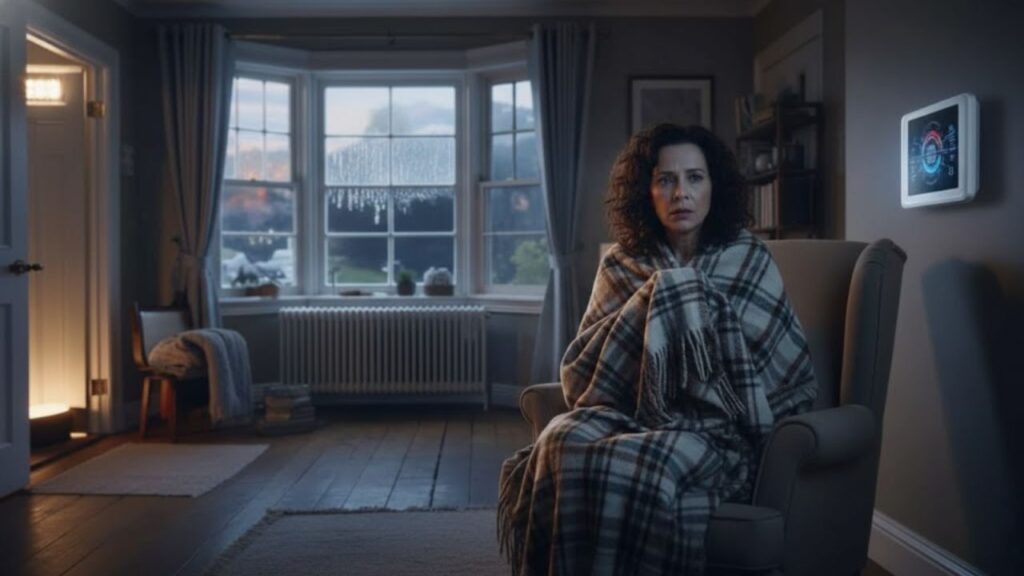
When a heating engineer stopped by, he glanced around for barely three minutes before saying, “The issue isn’t the heat. It’s everything around it.”
Why Homes Feel Cold Even with the Heating Turned Up
Most people assume warmth is just a number on the thermostat. If it reads 22°C, comfort is expected—a smooth, even blanket of heat. Yet many homes still feel oddly cold despite those reassuring digits. That disconnect—warm on paper, cold on skin—is where the real problem lies.

Specialists explain that it’s not only about how much heat you generate, but where that heat escapes and what your body actually senses. Air temperature is just one piece of a wider puzzle that includes walls, floors, drafts, humidity, and even how your blood circulates.
 The plant that perfumes the home and repels mosquitoes : here’s why everyone wants it in spring
Cold Surfaces and the Body’s Hidden Reactions
Take Emma, who lives in a 1950s semi with charming bay windows and no insulation at all. Last winter, she pushed her boiler so hard she joked she could “slow-cook a chicken” in the hallway. Her smart meter wasn’t amused. Bills climbed sharply, yet she still sat wrapped in a blanket on the sofa.
The living room air was warm, but the large single-glazed window beside her radiated cold. Her body picked up that invisible chill and reacted instinctively—blood vessels tightened, shivers kicked in, and her brain sent the clear message: “We’re freezing.”
Experts see this clash constantly: air temperature versus surface temperature. You can pump hot air into a room, but if the walls, windows, and floors stay cold, your body keeps losing heat to them. Your skin becomes the go-between, exchanging warmth with every surface nearby. That’s why two homes at 21°C can feel completely different—one cosy, the other like a draughty waiting hall. Comfort depends less on the thermostat and more on unseen physics.
Practical Fixes: Simple Habits Before Costly Upgrades
The first piece of advice from experts is surprisingly simple: leave the thermostat alone and start looking for hidden cold sources. Drafts around doors and windows are common offenders. Even a narrow gap under the front door can leak as much heat as a small open window. Blocking it with a draft excluder—or even a rolled towel—can change how a room feels within minutes.
Windows are another weak point, especially at night. Bare glass throws out cold. Drawing thick curtains or blinds after sunset traps a layer of warmer air, making that once-icy wall beside the sofa feel far less hostile.

Humidity, Heating Patterns, and Real Comfort
Humidity also plays a quiet role. Dry air feels colder because moisture helps hold warmth against the skin. In very dry, centrally heated homes, 21°C can feel more like a chilly train carriage. Simple steps—such as placing a bowl of water on a radiator or occasionally drying laundry indoors—can soften that cold sensation.
Ventilation still matters, of course. We’re told to open windows daily to clear moisture and pollutants, but in reality, few people manage that consistently. The balance is key: a brief morning airing, then closing windows before heating begins, not after.
How you heat matters as much as how much. Many households blast radiators on and off, creating constant temperature swings. That forces walls and furniture to reheat from cold again and again. A steadier, lower setting keeps surfaces warm and helps your body avoid that endless warm–cold cycle.
“People think comfort comes from higher numbers,” says heating engineer Daniel Ruiz. “In reality, stable conditions and warm surfaces stop heat being pulled out of you.”
Everyday Steps That Make a Real Difference
- Seal heat leaks with draft excluders, window tape, and foam around cable gaps.
- Warm key surfaces using thick curtains, rugs on bare floors, and furniture kept away from cold walls.
- Heat steadily—a constant 19–20°C often feels better than short bursts at 23°C.
- Maintain radiators by bleeding them, keeping them clear of sofas, and dusting the fins.
- Pay attention to your body, as ongoing chills can point to circulation or health issues, not just a cold home.
When Turning Up the Heat Isn’t the Answer
There’s another point experts mention quietly: our expectations of comfort have shifted. We now expect warmth everywhere, all the time—something earlier generations never assumed. They wore extra layers, stayed active, and accepted that hallways would always feel cold. Today, we tap the thermostat like a magic switch and feel frustrated when it doesn’t deliver.
That frustration—rising bills without real comfort—drives many people to search for solutions. Once you understand that your body reads walls and windows just as clearly as it reads the air, you start seeing your home very differently.

Key Takeaways for a Warmer Home
- Air temperature alone isn’t enough: Cold walls, windows, and floors can drain body heat even with high settings.
- Small changes can cut costs: Draft proofing, curtains, rugs, and steady heating often improve comfort more than turning the dial up.
- Comfort is personal: Health, circulation, clothing, and daily habits all influence how warm a space feels.
