One detail stood out immediately. On one side of the table, a woman sat upright, shoulders loose, neck extended, eyes steady. Across from her, a man seemed to sink into his chair, spine rounded, gaze lowered, fingers twisting his hoodie strings. When ideas were requested, her hand rose first, voice calm and clear. He clearly had thoughts as well, but they stayed trapped somewhere between his chest and the tabletop. Later, both joked about how “tired” they felt. Yet their bodies told completely different stories. One posture quietly said “I belong here”, while the other murmured “please overlook me”. That silent contrast shapes the mind more than most people realize.
Why Sitting Upright Shifts Your Inner State
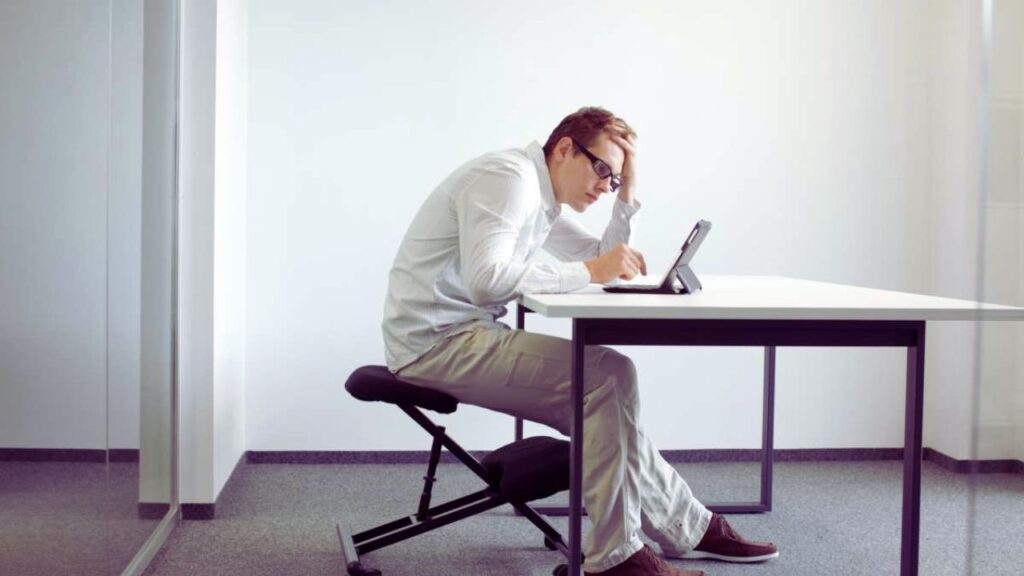
Observe a room full of people working on laptops and you can almost sense their mood from their backs alone. Those sitting tall, spine aligned, appear alert and engaged. Those folded inward like question marks seem drained before starting. Proper posture won’t fix everything, but moving from a slump to an upright position can feel like turning up inner clarity. Many people report feeling more “ready” without knowing why. With shoulders open, chest uncompressed, and breath flowing more freely, the body creates physical space. In that space, confidence often arrives quietly, without effort or performance.
What Psychology Says About Posture and Emotions
Researchers have explored this connection for years. In a well-known New Zealand study, students were asked to either sit upright or slump while completing a stressful task. Those in the upright position reported feeling more confident and more positive, and even used stronger language to describe themselves. The slumped group felt more helpless and anxious, despite doing the exact same task. Most participants didn’t believe posture mattered at all. They weren’t trying to appear confident. Still, their bodies subtly guided their emotions, like hidden stage lighting shifting the mood without notice.

How Posture Affects Breathing, Nerves, and Perception
There’s a straightforward explanation behind this effect. When you slump, the chest collapses and the diaphragm has less room to move. Breathing becomes shallow, which the body interprets as stress or low energy. The brain follows that signal. Sitting upright allows the lungs to expand, sending a calmer message through the nervous system. Posture also shapes how others respond to you. Sitting tall invites more eye contact, greater attention, and inclusion in conversation. Over time, these small reactions accumulate. You begin acting like someone who belongs, partly because your body already does.

Practical Ways to Sit With Quiet Confidence
Good posture doesn’t mean stiffness or discomfort. Start by sitting fully back in your chair so the support actually supports you. Let your feet rest flat on the floor. Picture a gentle string lifting the crown of your head upward, guiding rather than pulling. Allow your shoulders to drop and settle slightly back, not forced, just released. Your ribcage should stack over your hips instead of collapsing into them. On busy days, slouching will return repeatedly. That’s normal. Choose a simple posture anchor, like the start of a call or a notification alert, and use it as a cue to reset.

When Slouching Feels Like Protection
Many people won’t say this out loud, but slouching can feel like a shield. When you’re exhausted, unsure, or afraid of judgment, curling inward can seem safer than taking up space. On difficult days, sitting upright may even feel dishonest, as if pretending you’re stronger than you feel. As one therapist notes, “posture tells the story we don’t voice”. You don’t need to fix your life through your spine. Small physical signals that say “I’m allowed here” are enough. Gentle consistency matters more than perfection.
Letting Your Body Support the Mind You Want
There’s quiet strength in choosing how you hold yourself, especially when your thoughts feel scattered. You can’t control every emotion, but you can decide, a few times a day, to align your posture with a version of yourself that feels a bit braver. This doesn’t remove stress or fear. It simply gives them a different container. People who maintain upright posture often report feeling more confident not because life is easier, but because their bodies stop rehearsing defeat. In a screen-heavy world, posture remains one of the few physical levers you still control.
 8-minute chair series after 60 restores hip strength better than squats and improves balance
Key Takeaways for Everyday Posture Habits
- Posture and mood connect: Sitting upright can support feelings of confidence and positivity compared to slouching.
- Small changes matter: Feet flat, back supported, screen at eye level, and a gentle “head to ceiling” cue make posture realistic.
- Use simple habit cues: Reset posture during calls, notifications, or loading screens to turn awareness into a daily tool.