Many people associate restless nights with stress, busy schedules, or an uncomfortable bedroom. However, when certain symptoms occur repeatedly after dark, especially as we age, they may point to something more serious that needs attention.
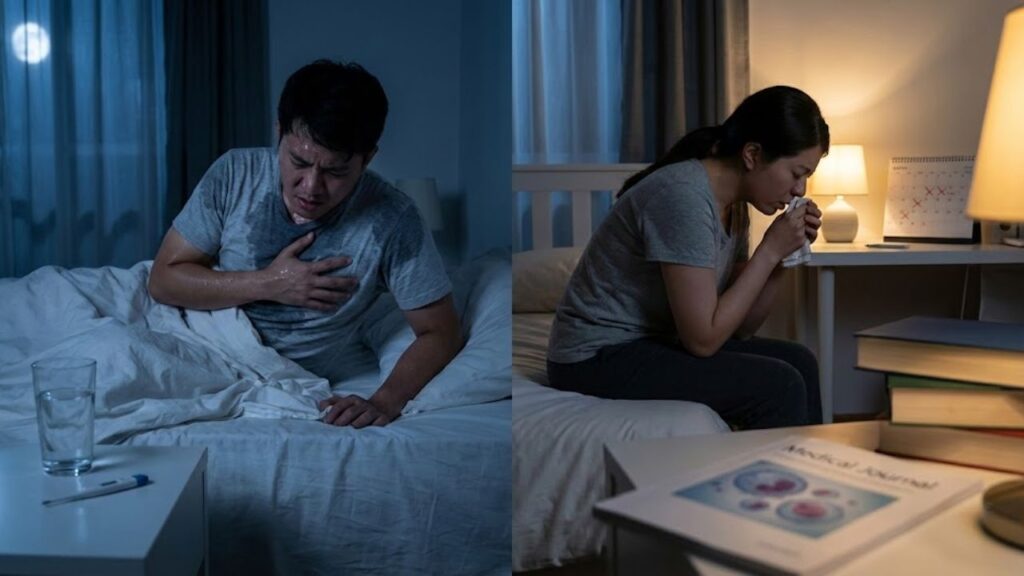
Why Night-Time Changes Matter for Early Cancer Detection
Early detection of cancer significantly increases the likelihood of successful treatment and long-term survival. Oncologists worldwide agree that catching cancer in its early stages makes a tremendous difference. Delayed diagnosis often leads to more complex treatments and complications. Persistent changes in how you feel at night can be among the first signs that something is wrong in the body.
First Red Flag: Intense Night Sweats
Occasional sweating in a warm room is normal, but night sweats that soak your bed and require you to change your clothes or bedding regularly are a cause for concern. Health organizations, such as Cancer Research UK, define worrying night sweats as intense, frequent, and severe enough to drench sleepwear or sheets. These sweats may happen even in cool rooms with normal bedding. Sometimes, sweating is followed by chills, creating a wave-like sensation.
Possible Causes of Severe Night Sweats
While cancer is one potential cause, it is not the only one. Intense night sweats may be associated with:
- Infections (such as tuberculosis or severe viral illnesses)
- Hormonal changes (including menopause)
- Certain medications (e.g., antidepressants)
- Thyroid disorders
- Low blood sugar, particularly in people with diabetes
Certain types of cancer, such as lymphomas and blood cancers, are known to cause “B symptoms,” including night sweats, fever, and unexplained weight loss. Solid tumors can also disrupt the body’s temperature regulation either directly or through inflammation.
Second Red Flag: Persistent Fatigue
Another symptom that often appears at night or first thing in the morning is overwhelming fatigue. This is not just tiredness after a busy week; it’s deep exhaustion that sleep doesn’t alleviate. Oncologists refer to this as “asthenia” — chronic, abnormal fatigue that doesn’t improve with rest and is disproportionate to the effort exerted. Many people describe it as waking up exhausted, feeling as if their body is “running on empty” all day, even when they haven’t done anything particularly strenuous. Simple tasks, like climbing stairs or carrying groceries, may feel unusually difficult.
How Cancer Contributes to Persistent Fatigue
Cancer-related fatigue can arise from several factors:
- The tumor may release substances that affect energy levels and metabolism.
- Chronic inflammation can leave the body feeling run down, similar to the flu.
- Unnoticed blood loss from some cancers can lead to anemia, which drains energy.
- Pain, anxiety, or frequent night waking due to illness can disrupt sleep quality.
While fatigue alone doesn’t necessarily point to cancer, it becomes concerning when it’s new, severe, persists for weeks, and interferes with daily life, especially if accompanied by other warning signs.
Additional Symptoms to Watch For
Doctors usually evaluate combinations of symptoms rather than isolated ones. In addition to night sweats and unexplained fatigue, several other changes warrant a medical check-up:
| Warning Sign | Why it Matters |
|---|---|
| Unexplained Bleeding | Blood in stools, urine, vomit, or abnormal vaginal bleeding could signal cancers of the bowel, bladder, stomach, or reproductive organs. |
| Persistent Cough or Hoarseness | A cough lasting weeks or a persistent raspy voice may indicate lung, throat, or laryngeal cancer. |
| Unintended Weight Loss | Unexplained weight loss without dieting or extra exercise may reflect changes in metabolism linked to various cancers. |
| New Lump or Swelling | A persistent lump, particularly in the neck, armpit, breast, chest, abdomen, groin, or testicles, needs assessment, especially if it grows. |
| Changes in Skin or Moles | New moles or changes in the size, shape, or color of existing ones can be an early sign of skin cancer. |
It’s important to note that none of these symptoms automatically mean cancer. Often, they have benign causes. However, if symptoms persist or worsen, they should be checked by a doctor.
Understanding What is Normal for Your Body
Cancer specialists emphasize the importance of knowing your baseline health — how you normally sleep, your usual energy levels, appetite, and weight. Early detection is key, and noticing changes early gives doctors a chance to intervene when cancer is more treatable.
When to Seek Medical Advice
If you experience heavy, frequent night sweats for more than two to three weeks or feel persistently tired despite good sleep, it’s important to consult a doctor. If fatigue or sweats are accompanied by weight loss, fever, lumps, or unexplained bleeding, seek medical advice promptly. It’s also important to listen to your body. If you feel something “isn’t right,” it’s always worth getting checked. Your GP may perform a physical examination, ask detailed questions, and order tests to rule out serious conditions. Early referral to specialists can ensure that any problems are addressed in a timely manner.
Understanding Medical Terms in Cancer Diagnosis
Some of the medical terms related to cancer symptoms might sound technical. Two important terms are:
- Asthenia: A long-lasting, disproportionate fatigue that does not improve with rest and significantly affects daily life.
- Unexplained Weight Loss: A noticeable drop in weight (over 5% of body weight in six to twelve months) without changes in diet or exercise.
For instance, a 52-year-old individual may notice that they wake up drenched in sweat several times a week and feel exhausted throughout the day. After a month, they notice their clothes feel looser. If they dismiss it as stress, it could delay early diagnosis. However, recognizing these changes early allows doctors to intervene when treatment options are most effective.
Balancing Vigilance and Peace of Mind
While constant worry about cancer can impact mental health, ignoring persistent symptoms also carries risk. The best approach is to stay aware of your regular health patterns, watch for consistent changes, and seek medical advice promptly. By treating night-time signs like heavy sweating and fatigue as useful signals, individuals can seek help sooner, which often results in better treatment outcomes and an improved outlook.