A rare polar vortex shift is beginning to draw attention from meteorologists, with early indicators suggesting February could bring unusually harsh winter conditions across the United States. This atmospheric disruption, which occurs high above the Arctic, has the power to reshape weather patterns far to the south. As scientists track new data, concerns are growing about colder temperatures, stronger storms, and sudden changes that could impact daily life. While winter extremes are not new, the timing and scale of this shift make it noteworthy, especially for communities unprepared for rapid weather swings.
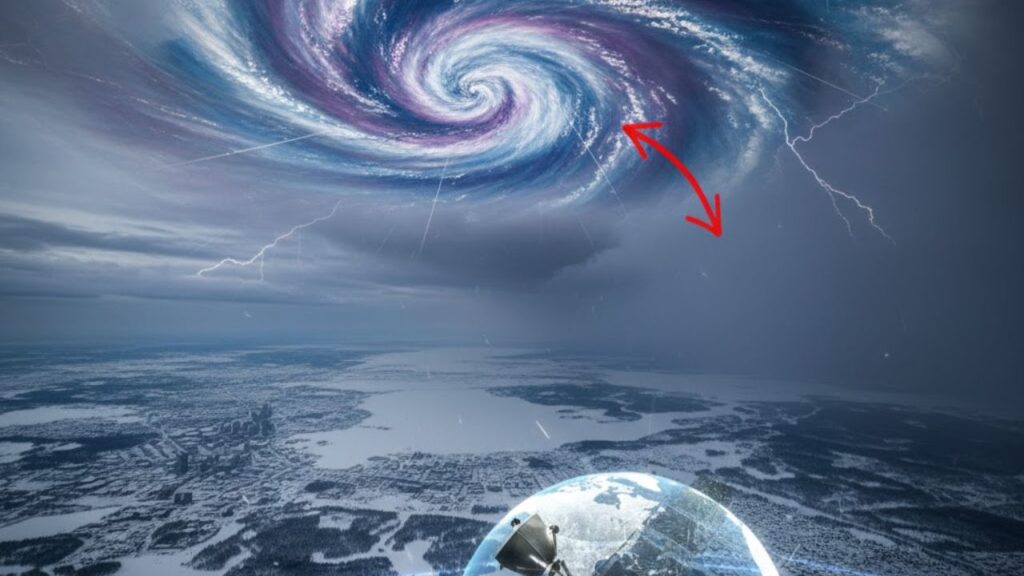
Polar vortex shift signals February risks
The developing polar vortex shift is being closely watched because it can push Arctic air deep into the continental United States. When the vortex weakens or stretches, cold air that is usually locked near the North Pole can spill southward, creating prolonged cold spells. Forecasters point to unstable jet stream, arctic air leaks, pressure pattern changes, and temperature whiplash as warning signs already appearing in models. These shifts do not guarantee constant snow, but they raise the odds of sharp freezes and disruptive weather. Even regions that normally experience milder winters may feel the effects if the pattern holds through February.
Why experts warn of extreme winter weather
Weather experts are cautious because polar vortex events rarely unfold in isolation. Instead, they interact with existing systems, sometimes amplifying storms or locking cold air in place for days or weeks. Current forecasts highlight long-range uncertainty, snowstorm potential, extended cold snaps, and energy demand spikes as key concerns. This matters for households, infrastructure, and emergency planning. A stalled pattern can strain power grids, disrupt travel, and increase heating costs. While forecasts will evolve, the signals suggest February could test preparedness levels across multiple states.

How a polar vortex shift may impact daily life
If the polar vortex shift strengthens, everyday routines could be affected in subtle and serious ways. Morning commutes may face icy road hazards, while schools and workplaces prepare for weather-related closures. Health officials also watch for cold exposure risks, especially among vulnerable populations. Farmers and supply chains could feel frozen logistics delays if temperatures plunge suddenly. These impacts depend on how long the pattern lasts, but awareness helps people plan ahead. Small steps, like winterizing homes and checking forecasts regularly, can reduce disruption.

What this winter outlook means overall
Overall, the rare polar vortex shift shaping up this winter does not mean constant chaos, but it does raise the likelihood of notable extremes. Meteorologists emphasize forecast model signals, pattern persistence clues, regional variability, and short-notice changes when discussing February’s outlook. Some areas may see brief cold bursts, while others could face longer stretches of severe conditions. The key takeaway is flexibility: conditions can change quickly. Staying informed through trusted forecasts allows households, businesses, and local authorities to respond calmly rather than reactively.
| Potential Impact | What It Means | Regions Most Affected |
|---|---|---|
| Colder Temperatures | Below-average February readings | Midwest, Northeast |
| Snow Events | Increased chance of storms | Great Lakes, Plains |
| Energy Use | Higher heating demand | Nationwide |
| Travel Disruptions | Delays and cancellations | Major transport hubs |
Frequently Asked Questions (FAQs)
1. What is a polar vortex shift?
It is a disruption that allows cold Arctic air to move south into lower latitudes.

2. Does this mean nonstop snow?
No, it increases cold risk, but snowfall depends on moisture and storm tracks.
3. Which month is most concerning?
Experts are currently most concerned about February based on forecast patterns.
4. How can people prepare?
Staying informed and winterizing homes early can reduce potential impacts.