
On a dull Tuesday morning in late January, the line outside a post office in a small Midlands town felt unusually subdued. People spoke softly, holding letters from the Department for Work and Pensions, folding and unfolding the same sheet until it softened at the edges. Every so often, eyes drifted to the television in the corner, where a scrolling headline repeated the same message: a state pension reduction officially approved, with payments set to fall by up to £140 a month from February. No one raised their voice. No one left in protest. Instead, people silently calculated the numbers and felt their sense of stability quietly slip.
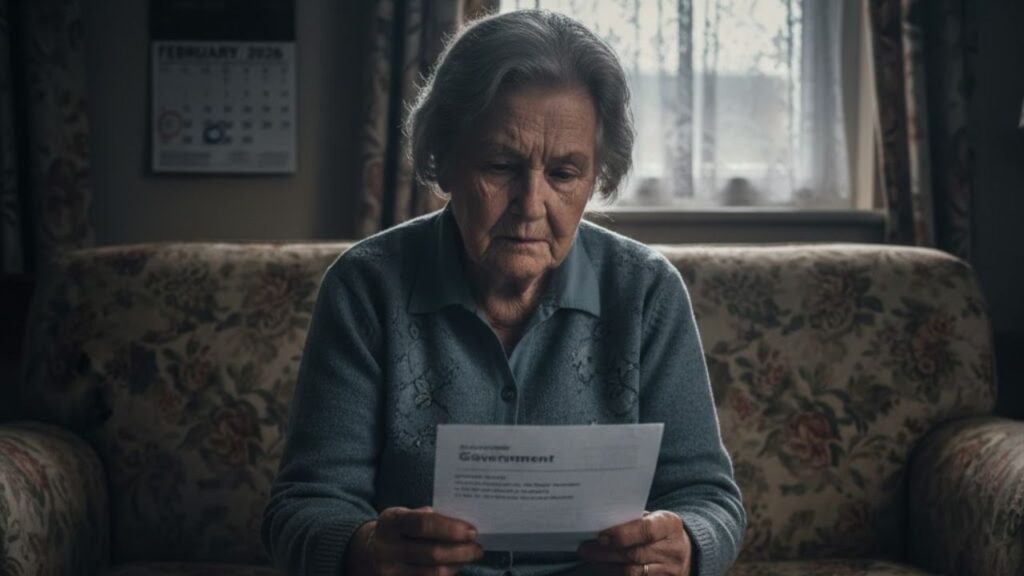
The Reality of Losing £140 a Month From Your Pension
A policy change only becomes real when it arrives through your letterbox. The wording sounds distant at first – “adjustment,” “alignment,” “recalculation.” Then you reach the figure: £140 less every month, and suddenly it’s no longer theoretical. It’s the heating bill, the weekly food shop, the bus fare to see grandchildren. Across the UK, thousands of pensioners are encountering this cut for the first time as February award letters arrive. For many, that single page represents the thin line between managing and falling behind.
When the Numbers Stop Adding Up
Margaret, 72, from Sunderland, has lived in the same council flat for nearly forty years and always took pride in paying her way. Her pension was never generous, but it covered the basics. Sitting at her kitchen table, she read the revised amount: £35 less a week. That’s around £140 a month gone, erased by a decision she didn’t vote on and barely understood. As she reviewed her handwritten budget, everyday comforts began to disappear – Sunday meat, a magazine treat, a taxi on icy mornings. A note from her granddaughter hung on the radiator: “Love you Nana, stay warm.” It suddenly carried a sharper edge.

Why This Pension Cut Is Happening
Behind the reduction sits a web of rules covering qualifying years, uprating formulas, and pension components. Official explanations refer to “correcting historical anomalies” and aligning payments with contribution records. In everyday life, it simply feels like a pay cut for people who cannot earn the money back. For some, the £140 loss comes from a removed top-up that quietly boosted payments for years. For others, it’s tied to changes in protected amounts under newer state pension rules. The common thread is this: most people had no warning until the brown envelope arrived.

What You Can Do If Your Pension Has Been Reduced
After the initial shock fades, the practical question follows: what now? While you can’t overturn an approved policy alone, you can challenge how it applies to you. The first step is unglamorous but essential. Gather your latest pension letter, your National Insurance record, and any older paperwork. Sit down with a pen and go through each line carefully. Compare the old payment with the new one and identify exactly where the reduction comes from. That groundwork supports any complaint, appeal, or request you send to the DWP.

Don’t Let Confusion Stop You From Acting
Many people feel uneasy admitting they don’t understand how their pension is calculated. They shouldn’t. The system has grown complex over decades, and even professionals double-check the rules. Putting the letter away and avoiding it is the real risk. That’s how deadlines are missed and entitlements go unclaimed. Asking for help matters. A friend, an adult child, or a Citizens Advice adviser can help untangle the details. As Alan, 69, from Cardiff, discovered, one reduction turned out to be an error – a mistake that would have cost him over a thousand pounds in a year.
Practical Steps That Can Make a Difference
- Contact the DWP and request a written breakdown of your new pension calculation.
- Ask for a full State Pension forecast and compare it with what you receive.
- Speak with Citizens Advice or an independent pensions adviser about possible errors.
- Check eligibility for Pension Credit, Housing Benefit, or council tax support.
- Contact your energy provider about support schemes for older or vulnerable customers.
Living With Less: The Unspoken Impact
Official statements rarely mention the emotional weight of a shrinking income. It’s not just numbers that change, but daily habits: fewer hot baths, cheaper food choices, skipped outings. Each adjustment feels minor on its own, yet together they narrow life’s margins. There’s a quiet grief in watching later years turn into a list of compromises. Some respond with anger, others with careful planning or resignation. None of those reactions are wrong. What matters is acknowledging that a £140 monthly loss can’t always be absorbed with small tweaks.
Why Talking About Money Still Matters
Open conversations can ease the burden. Family members quietly help with shopping. Neighbours share lifts. Community spaces offer warmth and company. These gestures don’t reverse policy decisions, but they soften their effects. Across the country, a wider question is being asked in homes and waiting rooms alike: what kind of retirement should follow a lifetime of work and care? The impact of policy is personal. For some, it means fewer extras. For others, it affects heating, food, and social connection. The answer won’t come from official statements, but from how communities choose to support one another.

Key Takeaways at a Glance
- Understanding the cut: Knowing where the £140 reduction comes from helps identify errors and appeal options.
- Getting help early: Contacting DWP and advisers reduces the risk of missing entitlements.
- Adapting daily life: Small changes and shared support can make the loss more manageable.
