The first time I watched someone pour baking soda into a glass and slowly add hydrogen peroxide, I genuinely expected a small kitchen disaster. The sudden fizzing, the chalky white paste, the faint science-lab smell—it all felt slightly alarming and oddly satisfying at the same time. It was the kind of homemade chemistry that feels old-fashioned and clever, something a grandmother might trust while a chemistry teacher raises an eyebrow.
Minutes later, that same mixture had revived a stained cutting board and brightened tile grout that looked permanently grey. That was the moment curiosity took over.
Why So Many People Trust Baking Soda and Hydrogen Peroxide
Most homes already have both ingredients tucked away. A half-used box of baking soda forgotten in the pantry. A bottle of hydrogen peroxide sitting in a bathroom cabinet, originally bought for minor cuts.

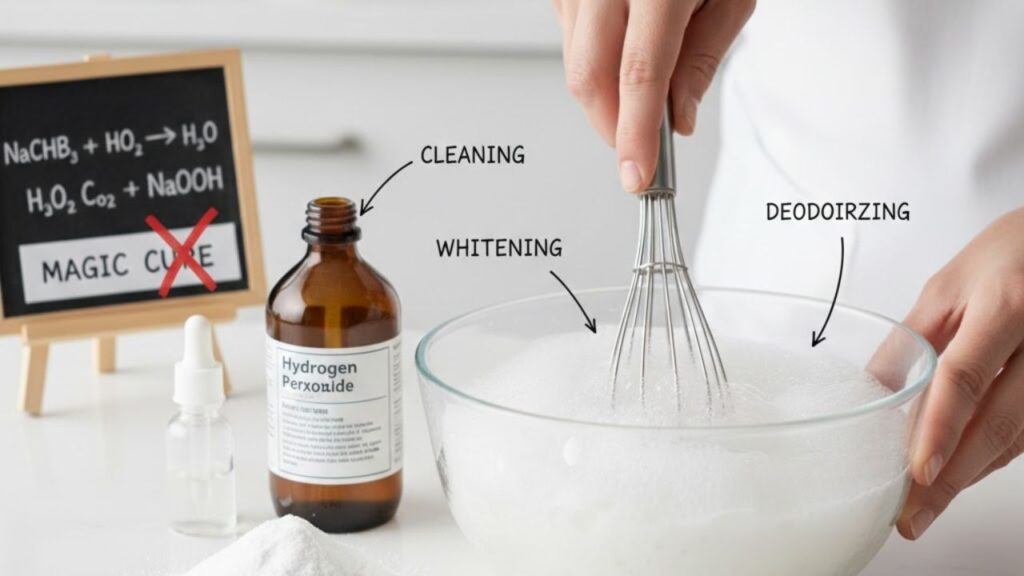
When combined, the gentle grit of baking soda meets the oxygen-releasing action of hydrogen peroxide. The result is a soft, bubbling paste that helps loosen grime, lift stains and leave surfaces looking noticeably brighter. It feels like a DIY trick that shouldn’t be this effective, yet it keeps appearing in everyday cleaning routines.

A Simple Kitchen Sink Story
Marion, a 41-year-old nurse, relies on this mix for her kitchen sink. After trying countless store-bought cleaners, she returned to what her mother once used. One evening, she sprinkled baking soda over her dull stainless-steel sink, added a small amount of hydrogen peroxide and watched it foam.
After a gentle scrub, a short wait and a rinse, the sink looked almost mirror-bright. No harsh fumes, no gloves, no irritation. Just two inexpensive ingredients and a surprisingly polished result.
The Simple Science Behind the Results
Baking soda acts as a mild alkali with a fine texture that scrubs without damaging most surfaces and helps neutralize odors. Hydrogen peroxide, commonly sold at 3%, releases oxygen when it meets organic residue such as stains or grime. Mixed into a paste, the bubbles help lift dirt while the gentle grit helps remove it.
This is why the combination works so well on stubborn problems like yellowed grout, discolored cutting boards and dull metal surfaces.
 Long Hair After 60 Can Pull Features Down - This Specific Length Creates a More Lifted Look
How to Mix and Use It Safely
The goal is a thick paste, not a liquid. Place two to three tablespoons of baking soda in a small bowl. Slowly add hydrogen peroxide, a little at a time, until the texture resembles toothpaste.
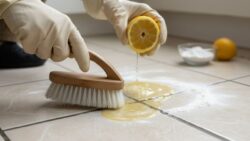
For grout or tough stains, apply the paste with an old toothbrush. Let it sit for five to ten minutes, scrub gently and rinse with warm water. For sinks or metal surfaces, use a soft sponge and reduce contact time, especially on delicate finishes.
Using too much or leaving it on too long is a common mistake. While mild, hydrogen peroxide can lighten or dull certain materials if overused. Always test a small, hidden area first, and avoid natural stone, aluminum cookware and delicate finishes. Use the mixture fresh and rinse it away after cleaning.
Why Technique Matters More Than Strength
“People expect a miracle solution,” says Clara, a professional housekeeper. “But a few dependable ingredients, used correctly, plus a little effort, often outperform most spray cleaners.”
Common Ways People Use This Cleaning Duo
- Whitening grout: Apply with a toothbrush, wait briefly, scrub lightly and rinse.
- Cleaning cutting boards: Spread over stained areas, scrub, rinse well and dry upright to reduce odors.
- Refreshing baking trays and oven racks: Treat stained spots, let sit and scrub to remove built-up residue.
- Brightening sinks and faucets: Use a soft cloth on stainless steel or enamel, then rinse thoroughly.
- Occasional tooth polishing: Some use a very diluted version, but dentists advise keeping this rare and gentle.
More Than a Cleaning Trick
Using this mixture changes how you view household products. Many “specialty cleaners” rely on the same basic actions: scrubbing, deodorizing and lifting stains. Baking soda and hydrogen peroxide handle a surprising number of those tasks.
They won’t replace everything under your sink, but they can handle many everyday annoyances—from stained mugs to soap scum and dull surfaces. There’s a quiet satisfaction in solving a problem with simple pantry items, no shopping trip required.

| Key point | Detail | Value for the reader |
|---|---|---|
| Safe, simple formula | Baking soda + 3% hydrogen peroxide, mixed into a paste, used fresh | Easy to reproduce without special products, low cost, fewer harsh chemicals at home |
| Versatile uses | Grout, sinks, cutting boards, trays, light stains, some odors | One mixture tackles several cleaning problems, saves time and space in cupboards |
| Limits and precautions | Patch test first, avoid natural stone and delicate surfaces, do not store the mix | Prevents damage, keeps benefits without unpleasant surprises or accidents |